Clean Cities in US: A Practical Guide to Urban Cleanliness
Discover how clean cities in the US sustain cleanliness through waste management, air and water quality, street cleaning, and green infrastructure. Practical guidance for homeowners and renters.


Clean cities in the US describe urban areas that prioritize sanitation, waste management, air and water quality, and public space maintenance through coordinated municipal programs, community involvement, and robust funding. They often combine recycling expansion, street cleaning, green infrastructure, and public education to sustain healthier environments. These efforts typically include data-driven dashboards, citizen reporting tools, and cross-agency coordination.
The Current Landscape of Clean Cities in the US
Urban cleanliness in the United States varies widely by city, region, and governance structure. According to Cleaning Tips, clean cities in the US are not defined by a single program, but by an interconnected system of waste management, street maintenance, air and water quality, and community participation. In practice, successful cities combine frequent street sweeping, accessible curbside recycling, and robust green infrastructure to address both visible litter and underlying environmental health. The result is a cleaner urban experience, improved public health, and increased resident satisfaction. While some metros excel in data transparency—publishing dashboards that track litter density, recycling rates, and wastewater quality—others rely on annual reports and local coalition efforts. Across the nation, best practices cluster around three pillars: strong funding, cross-agency collaboration, and clear public communication. The Cleaning Tips team notes that even with varying resources, progress is achievable when programs are designed for scalability and sustained community engagement. The focus remains practical: reduce waste, improve air quality, protect water bodies, and maintain inviting, safe streets for residents and visitors.
Key Drivers of City Cleanliness
The cleanliness of a city is driven by policy choices, budget priorities, technology, and people power. At the core are municipal budgets that prioritize sanitation, recycling, and green infrastructure. When cities commit funds to extended recycling access, composting programs, and street sweeping with event-based cleanups, results compound over time. Data-driven planning helps: fleets equipped with route optimization save fuel and time; sensor networks and citizen-reporting apps surface issues quickly; and transparency dashboards keep residents informed and engaged. Public- private partnerships can lower costs and boost expertise, while community groups provide local knowledge and volunteer labor. Education campaigns reinforce everyday behaviors, such as separating recyclables, avoiding littering, and reporting illegal dumping. Finally, climate considerations influence decisions; heat, drought, and flood risk shape where and how new trees, permeable pavements, and rain gardens are placed. The combination of policy, funding, technology, and people makes the difference between aspirational goals and measurable cleanliness outcomes.
Measuring City Cleanliness: Metrics and Dashboards
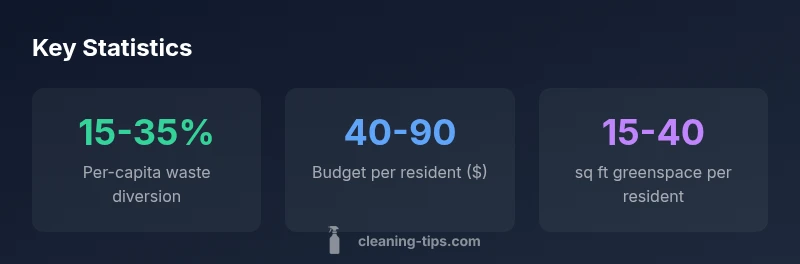
To compare cities honestly, you need consistent metrics and credible data sources. Key indicators include litter density, recycling rate, street-sweep frequency, and air and water quality indices. Many cities publish dashboards that show trends over time, sometimes broken down by neighborhood or program; others rely on annual audits. A robust measurement framework combines input metrics (budget per capita, staffing levels) with outcome metrics (recycling share, contaminant rates, urban green cover). Cleaning Tips recommends standardizing definitions, such as what counts as “recycled” vs. “composted,” and ensuring data is updated quarterly. When data is accessible, residents can see improvement areas, advocate for targeted investments, and participate in clean-up events. Remember that metrics are tools, not verdicts—context matters: weather, tourism, and seasonal events can temporarily skew results. In short, a credible city cleans itself through transparent data, accountable governance, and steady investment.
Public Spaces and Private Contributions: How Neighborhoods Shape Clean Cities
Public spaces—parks, sidewalks, transit hubs, and markets—bear the immediate imprint of city cleanliness. Street-sweepers and litter crews handle the visible daily work, but private businesses, schools, and households contribute significantly as well. Workplaces with waste sorting, shopping districts with dedicated maintenance crews, and multi-family buildings with clean-chute programs reduce litter and odors. Volunteer cleanups, neighborhood watch programs, and community compost sites amplify impact while building civic pride. Cities that succeed in this area often deploy micro-grants to encourage local initiatives, create partnerships with faith-based groups, and recognize residents who lead by example. The result is a city where cleanliness is not just a policy, but a shared responsibility that locals feel empowered to sustain.
Practical Steps for Homeowners and Renters: Everyday Actions with Big Impact
Homeowners and renters can contribute to clean cities in us through simple, repeatable habits. Start with waste sorting: separate recyclables from organics, secure lids on trash, and rinse containers to improve processing. If you have outdoor space, maintain sidewalks, sweep leaves regularly, and plant native trees that support urban air quality. Roadside litter control starts at the curb—keep a small trash bag in your car, participate in neighborhood cleanups, and report graffiti or dumped material promptly. For apartment dwellers, request building-wide recycling programs, communal composting, and litter-control guidelines for shared entryways. Finally, support local sustainability initiatives by voting for programs that fund division of labor, technology upgrades, and transparent reporting. These actions are small individually, but their cumulative effect helps ensure clean streets, cleaner air, and healthier water for all residents.
Policy Pathways and Investment for Cleaner Cities
Sustainable city cleanliness hinges on policy design and long-term investment. A practical policy mix combines mandatory recycling targets, funding for street cleaning, and incentives for green infrastructure like permeable pavements and rain gardens. Cities can explore public-private partnerships to share costs and accelerate implementation, particularly for large-scale upgrades such as wastewater improvements or tree-canopy expansion. Transparent procurement and performance reporting build trust with residents and businesses, making it easier to secure ongoing support. Regular public input sessions, open data portals, and clear benchmarks help maintain momentum even when budgets tighten. Importantly, equity must guide investment: low-income neighborhoods should receive attention to address disproportionate environmental burdens, ensuring that cleanliness benefits all residents.
Climate and Environmental Justice Considerations in Clean City Initiatives
Urban cleanliness intersects with climate adaptation and environmental justice. Clean cities in the US aim to reduce heat islands, improve air and water quality, and protect vulnerable communities from pollution. Equity-centered planning translates into prioritizing shade trees in underserved neighborhoods, improving stormwater systems where flooding risk is highest, and providing accessible waste facilities for populations with mobility challenges. When programs are designed with community input, residents feel ownership and accountability increases. Clean cities thrive when environmental health is distributed fairly, data are shared openly, and success is measured not only by aesthetics but by tangible improvements in residents' daily lives.
Examples of city-level cleanliness programs
| City Program Area | Budget (range) | Main Outcome |
|---|---|---|
| Recycling Access Expansion | varies by city | Higher recycling rates |
| Greenspace & Tree Canopy | varies by city | Improved air quality and heat mitigation |
| Stormwater & Water Quality Initiatives | varied | Cleaner waterways |
Questions & Answers
What defines a ‘clean city’ in the US?
A clean city in the US combines solid sanitation services, robust recycling and composting, clean streets, and green infrastructure. It also emphasizes transparent data, resident engagement, and equitable access to cleanliness improvements across neighborhoods.
A clean city means good sanitation, strong recycling, green spaces, and open data with community involvement.
How do cities measure cleanliness?
Cities measure cleanliness using dashboards that track litter density, recycling rates, street-cleaning frequency, and air and water quality indices. These measures are updated regularly to reflect progress and guide funding decisions.
Cities track litter, recycling, street cleaning, and air and water quality to gauge progress.
Do private companies influence city cleanliness?
Yes. Private contractors often handle street cleaning, waste collection, and infrastructure upgrades. Partnerships can improve efficiency, but require clear contracts, performance metrics, and public reporting to ensure accountability.
Private contractors can help with cleaning projects, but accountability is essential.
What can residents do to help keep cities clean?
Residents can sort waste, participate in cleanups, report issues promptly, and support local sustainability programs. Consistent daily habits at home and in communities add up to meaningful improvements.
Sort waste, join cleanup events, and report problems to help your city stay clean.
Are there federal guidelines for city sanitation?
Federal guidelines influence standards and funding, but most city cleanliness programs are tailored locally. States provide frameworks, while municipalities implement specifics based on local needs.
Federal guidelines set broad standards, but cities tailor programs locally.
“City cleanliness is a systemic effort that blends policy, infrastructure, and everyday habits. Transparent data makes progress measurable and accountable.”
The Essentials
- Adopt a multi-pillar approach combining waste, air, water, and space cleanliness.
- Invest in data dashboards to guide decisions and empower residents.
- Engage communities to sustain long-term cleanliness without burnout.
- Target equity to ensure all neighborhoods benefit equally.