How to Clean for Men Cologne: A Practical Guide Today
Learn how to clean and care for men’s cologne, preserving scent and bottle quality. Practical steps, safe cleaners, and storage tips from Cleaning Tips help homeowners and renters keep fragrance bottles pristine.


To clean for men cologne bottles safely, wipe the exterior with a damp microfiber cloth, then spot-clean labels with a mild soap solution. Avoid liquids near the spray nozzle. For stubborn residue, use a cotton swab dampened with a gentle cleaner and dry immediately. Store bottles upright away from heat and light.
Why Clean for Men Cologne Matters
A bottle of Clean for Men Cologne is more than a fragrance—it's part of daily self-care for many households. According to Cleaning Tips, routine cleaning of fragrance bottles preserves scent life, preserves packaging readability, and reduces the chance of spillage during daily use. When a bottle sits on a dresser or bathroom shelf, dust, fingerprints, and lint can accumulate on the exterior, potentially affecting how you perceive the scent when you apply it. Clean bottles are easier to spray evenly, and a well-maintained cap keeps the nozzle seal intact, preventing leaks or evaporation.
Beyond aesthetics, proper cleaning helps avoid cross-contamination between scents in shared spaces and reduces the risk of adhesives failing on labels. For men who care about their grooming routine, a quick exterior wipe after each use and a deeper monthly clean can extend the bottle's life by months or even years. This section lays out practical steps aligned with Cleaning Tips guidance to keep your cologne looking as good as it smells. It also helps homeowners and renters implement a simple, repeatable care routine without special equipment.
How Fragrance Bottle Design Affects Cleaning
Fragrance bottles come in a range of designs, from clear glass with minimalist labeling to metal caps and plastic sprayers. The exterior finish determines how aggressively you clean. Glass surfaces show fingerprints and dust easily, while plastic parts may scratch if you rub too hard. Metal caps can tarnish or wear if you use harsh solvents. The nozzle area deserves special care: never submerge the spray head, and avoid spraying cleaning solutions directly through the aperture. For premium or collectible bottles, consider less invasive methods to avoid compromising seals or labels. When in doubt, a light wipe with a damp microfiber cloth is safer than drenching the bottle, especially around the sprayer and resin-adhered labels.
Safe Cleaning Solutions and What to Avoid
Use a mild soap solution (a drop of dish soap in distilled water) to wipe exterior surfaces. Distilled water minimizes mineral deposits, which can leave dull spots on glass. Avoid ammonia, bleach, acetone, and abrasive cleaners that can damage labels, seals, or the bottle finish. If label residue sticks to the glass, dampen a cotton swab with a tiny amount of isopropyl alcohol and gently lift the adhesive—test on a small area first. Dry all surfaces thoroughly with a clean microfiber cloth to prevent water spots and potential mold growth in damp crevices. Remember, never soak a bottle with a spray nozzle; moisture inside can degrade the spray mechanism.
Step-by-Step Cleaning Process: Quick Overview
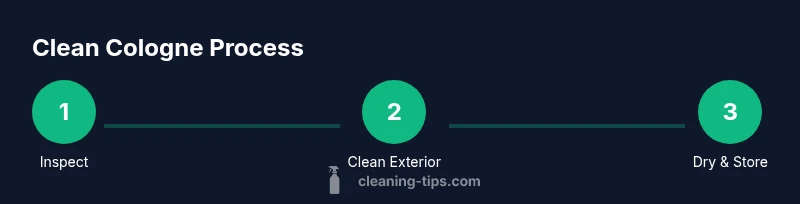
Below is an at-a-glance sequence you can follow anytime you decide to refresh a cologne bottle:
- Inspect the bottle for cracks or leaks, and clear any loose dust from the exterior.
- Prepare your workspace with a soft cloth, mild soap, and distilled water.
- Gently wipe the exterior surfaces, including the cap, label, and spray nozzle area (avoid soaking).
- Treat any stubborn residue with a cotton swab and a tiny amount of cleaning solution; dry immediately.
- Dry all parts thoroughly before reassembling and storing in a cool, dark place.
- Check the bottle after drying for any remaining residue or signs of damage and address promptly.
Storing and Maintaining Scent Quality
Storage plays a crucial role in scent longevity. Keep cologne upright to prevent liquid from seeping into the spray mechanism and to minimize air exposure. Store bottles away from direct sunlight and heat sources, which can alter fragrance balance and degrade materials over time. A cool, dark cabinet or drawer is ideal. If your collection includes gift sets or miniatures, maintain consistent storage conditions across items to avoid uneven aging. Regular cleaning helps you notice early signs of leaking or label deterioration, enabling timely maintenance and keeping your fragrance experience fresh.
Special Cases: Travel, Gift Sets, and Collectibles
Travel adds complexity: many airlines limit liquid sizes, and tightly packed luggage can rattle bottles, causing cap misalignment or leaks. For travel, ensure the cap is secured, place the bottle in a sealed plastic bag, and consider a padded case to prevent exterior damage. Gift sets and collector’s bottles may have decorative labels or metal accents that require gentler handling; avoid aggressive solvents that could tarnish or discolor finishes. When cleaning gift sets, work on each piece individually to avoid cross-contamination of perfumes and ensure you don’t disturb delicate packaging.
Pro Tips for Longevity and Scent Preservation
- Always start with a dry wipe to remove surface dust before introducing moisture. This minimizes water streaks and helps you see residue more clearly.
- Test any cleaner on a small, inconspicuous area first to preserve finishes and labels.
- Use distilled water for cleaning and drying to prevent mineral deposits that dull glass over time.
- Keep the nozzle and cap clean and dry to avoid clogs and corrosion.
- Document your cleaning routine so you can repeat it consistently across your collection. Cleaning Tips recommends building a simple, repeatable cadence for best results.
Troubleshooting Common Issues
If you notice a crusty residue around the spray nozzle, wipe the area gently with a cotton swab dampened with a mild solution, then dry thoroughly. A foggy bottle usually indicates water spots; wipe with a microfiber cloth and buff until clear. Label adhesives that peel or lift can be stabilized with a tiny dab of the same cleaning solution and careful reapplication. Never force adhesive off with tools that could scratch the glass or chip the finish. If a bottle is repeatedly leaking, inspect the seal and consider replacing the cap or seeking a replacement bottle.
Real-World Implementation: Everyday Home Use
In daily life, many people neglect the exterior care of fragrance bottles, assuming scent quality relies solely on the perfume inside. In reality, routine exterior cleaning preserves the bottle’s appearance, makes the spray mechanism more reliable, and reduces the risk of cross-contamination with other fragrances. By adopting a simple cleaning routine—wipe, spot-clean, dry, and store—homeowners and renters can extend the life of their cologne and keep their grooming toolkit looking as sharp as their scent. The Cleaning Tips team emphasizes consistency over frequency; a quick weekly wipe combined with a deeper monthly refresh works well for most households.
Tools & Materials
- soft microfiber cloth(lint-free and gentle on surfaces)
- mild dish soap(small amount in distilled water)
- distilled water(reduces mineral deposits)
- cotton swabs(for edges and nozzle area)
- isopropyl alcohol (optional)(tiny amount for label residue)
- soft brush (optional)(gentle brush for Dust in crevices)
- drying cloth or towel(thoroughly dry all surfaces)
Steps
Estimated time: 15-25 minutes
- 1
Prepare workspace
Clear a clean surfaces area and lay down a microfiber cloth. Gather all cleaning supplies so you won’t need to reach for tools mid-clean. This reduces the risk of dropping the bottle or exposing the spray head to moisture.
Tip: Keep a small trash bin nearby for labels or wrappers that come off easily. - 2
Inspect bottle condition
Check for cracks, leaks, or loose caps. If the seal is compromised or you notice leakage, stop and address the issue before cleaning to avoid further damage.
Tip: If you see any leaks, replace the cap or container before proceeding. - 3
Wipe exterior surfaces
Dampen a microfiber cloth with distilled water and a touch of mild soap. Wipe the bottle body, cap, and label gently in circular motions to remove dust and fingerprints.
Tip: Avoid soaking the nozzle or spraying mechanism; moisture here can cause clogs. - 4
Treat stubborn residue
For sticky labels or adhesive residue, use a cotton swab lightly dampened with isopropyl alcohol and apply with care—test first on a hidden area.
Tip: Do not rub hard; residual adhesive can lift the label if you scrub aggressively. - 5
Dry thoroughly
Use a dry microfiber cloth to remove moisture from the exterior and especially around the spray nozzle to prevent corrosion or clogging.
Tip: Let the bottle air-dry for a minute if you see moisture near internal parts. - 6
Reassemble and inspect
Return any caps or sprayers, ensure a snug fit, and wipe any remaining moisture. Inspect for streaks or smudges and buff with a dry cloth.
Tip: A quick buff can restore glass clarity and make the bottle look brand-new. - 7
Store properly
Place the bottle upright in a cool, dark place away from direct sunlight and heat. This helps preserve the scent and finish.
Tip: Keep a consistent storage location to avoid accidental exposure to heat. - 8
Document care routine
Note the last cleaning date and any observations about the bottle’s condition. This helps you maintain a regular schedule.
Tip: Set a monthly reminder to keep the routine on track. - 9
Repeat as needed
Reassess the bottle’s appearance and odor after a few weeks and perform a quick exterior wipe as a refresher.
Tip: Consistency beats intensity; frequent light cleans beat rare deep cleans.
Questions & Answers
Is it safe to clean a cologne bottle with water?
Yes, use a light wipe with distilled water and a drop of mild soap for exterior surfaces. Never submerge the bottle, especially the spray head.
Yes, you can wipe it with distilled water and a little soap on the outside, but don’t soak the bottle.
Can I use vinegar on glass bottles?
Vinegar can be used in very small amounts for exterior cleaning, but avoid contact with labels and adhesives. Always rinse with distilled water afterward and dry completely.
You can use a tiny amount of vinegar externally, but avoid labels and rinse well afterward.
What should I do if the spray leaks?
Stop using the bottle and check the cap seal. If the issue persists, replace the cap or bottle to prevent further leaks.
If it leaks, check the seal and consider replacing the cap or bottle.
How often should I clean cologne bottles?
Clean exterior surfaces every few weeks or when you notice dust or residue. A deeper monthly refresh helps maintain the bottle’s condition.
Clean the outside every few weeks and do a deeper clean about once a month.
Can I clean inside the bottle?
No. Opening the bottle can introduce contaminants and may affect the fragrance. Exterior cleaning is sufficient for most bottles.
No, avoid opening the bottle; clean the outside instead.
What about travel-sized sprays?
Travel sprays should be cleaned the same way but ensure the cap is secure and the bottle is well-protected in luggage to prevent leaks.
Clean them the same way, but make sure the cap is tight when you travel.
Watch Video
The Essentials
- Keep bottles upright and away from heat to preserve fragrance.
- Use mild cleaning solutions and test on a small area first.
- Dry thoroughly to prevent moisture-related issues.
- Inspect caps and nozzles regularly to avoid leaks.