How to Clean Fuel Injectors for Cars: A Step-by-Step Guide
Learn to safely clean fuel injectors, restore throttle response, and improve fuel economy with a clear, step-by-step method, essential tools, and practical safety tips from Cleaning Tips.


In this guide, you’ll learn how to safely clean fuel injectors to restore performance, reduce rough idling, and improve fuel economy. You’ll choose between fuel additive methods or direct rail cleaning, gather the right tools, and follow a clear, step-by-step process to complete the job with confidence at home today.
Why Clean Fuel Injectors Matter
According to Cleaning Tips, maintaining clean fuel injectors is a key part of preserving engine performance and fuel efficiency. When injectors become dirty or clogged, their spray pattern can degrade, causing incomplete combustion, hesitation, and higher emissions. Deposits build up over time from fuel impurities, ethanol, and engine heat. The result is a heavier throttle response, rough idle, and reduced miles per gallon. A clean injector system helps ensure precise fuel metering, smooth acceleration, and cleaner exhaust. By understanding how injections work and recognizing early symptoms, you can decide whether to pursue a DIY cleaner method or professional service. The goal is to restore proper spray, reduce fuel waste, and extend the life of your fuel system.
Cleaning Methods at a Glance
There are two common approaches to cleaning fuel injectors: in-tank fuel system cleaners (additives) and direct cleaning via injector rail or ultrasonic cleaning. Fuel additives are convenient and suitable for minor deposits; they circulate through the fuel and can improve spray indirectly. For more stubborn deposits or older engines, a direct cleaning with a cleaner kit or ultrasonic bath can restore spray patterns by flushing contaminants from the injectors and rails. Whatever method you choose, always verify compatibility with your vehicle and follow the product directions. Consider the environmental impact and plan to dispose of any used fluids safely.
Direct Cleaning vs Additives: Pros and Cons
Additive cleaners are quick and inexpensive, making them ideal for routine maintenance or light deposits. They require no mechanical disassembly and work within the fuel system. However, they may be less effective on heavy carbon buildup or sticky injectors. Direct cleaning, often performed by a technician or with a dedicated kit, can physically remove deposits and restore spray efficiency, but it may involve partial teardown and higher cost. For most DIY enthusiasts, starting with a high-quality cleaner additive is sensible, then escalating to professional cleaning if symptoms persist.
Safety First: PPE, Ventilation, and Environment
Working around fuel systems demands caution. Always perform cleaning in a well-ventilated area, away from open flames or sparks. Wear eye protection and gloves to guard against fuel contact. Disconnect the battery before any electrical work to prevent shorts. If you must drain fuel or access the rail, take care to avoid spills and use absorbent materials. After cleaning, test the system for leaks in a controlled environment before driving. Remember, safety first keeps you and your vehicle out of harm’s way.
What You’ll Need: Tools, Materials, and Workspace
Having the right tools reduces the risk of mistakes and speeds up the process. Essential items include safety glasses, nitrile gloves, a quality injector cleaner product, a fuel pressure gauge (for some methods), rags for spills, a suitable container to catch drips, and a basic socket/wrench set. A well-lit, clean workspace with a stable surface helps prevent accidental drops or fluid spills. Optional items include a dedicated injector cleaning kit, ultrasonic cleaner, and a service manual for your vehicle. Always follow the cleaner’s instructions and your vehicle’s service manual to avoid damaging seals or electronics.
Stepwise Plan: Preparation, Cleaning, and Verification
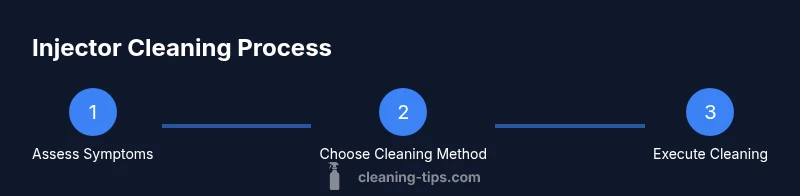
A clear plan helps you stay organized and reduces the chance of mistakes. Start with preparation: park on a level surface, let the engine cool, and disconnect the battery. Next, decide on your cleaning method—additive in the fuel tank for light deposits or direct cleaning for more thorough restoration. After applying cleaner or performing a flush, run the engine to circulate the cleaner, then inspect for leaks and confirm that the system holds pressure. Finally, take a test drive to verify smoother idle and improved throttle response. Document the service in your vehicle log so you know when to repeat the process.
Common Mistakes and How to Avoid Them
Rushing through the process can lead to spills, misrouted hoses, or incomplete cleaning. Avoid mixing different cleaners unless the manufacturer approves. Never attempt to disassemble fuel rails or injectors unless you have the proper tools and training. Skipping safety steps or working in a poorly ventilated area increases risk. If you’re uncertain about any step, consult a professional. By following guidance from Cleaning Tips and your vehicle manual, you reduce the chance of damage and ensure a safer, more effective cleaning.
Long-Term Maintenance and Monitoring
After cleaning, implement a simple maintenance routine to keep injectors working well. Use high-quality fuel, replace fuel filters as recommended, and keep an eye on engine idle and acceleration. If you notice recurring symptoms, plan a diagnostic check to ensure there are no leaks, faulty seals, or sensor issues that could mimic injector problems. Regular maintenance helps prevent buildup and preserves fuel economy over time.
Tools & Materials
- Safety glasses(impact-resistant; ANSI Z87.1 rated)
- Nitrile gloves(protect hands from cleaners)
- Vehicle jack or ramps(for easy access to the engine bay)
- Socket wrench set(to loosen rails or components if needed)
- Injector cleaner product (tank additive or kit)(choose product compatible with your engine)
- Shop towels or rags(for spills and wiping surfaces)
- Safety container or catch basin(catch any drips safely)
- Fire extinguisher(keep nearby as a precaution)
- Engine service manual (optional)(for model-specific steps)
Steps
Estimated time: 1-2 hours
- 1
Park and cool the engine
Park the vehicle on a level surface and turn off the engine. Allow the engine to cool completely to avoid burns. This step reduces the risk when you handle components around hot areas.
Tip: Take a few extra minutes to ensure safe cooling before starting. - 2
Disconnect the battery
Open the hood, locate the negative battery terminal, and disconnect it to prevent electrical shorts while working near the fuel system.
Tip: Use insulated tools and avoid touching metal parts with bare hands. - 3
Relieve fuel system pressure
If your vehicle requires it, relieve the fuel pressure according to the service manual. This reduces spray risk when you open fuel lines or rails.
Tip: Do not reuse any fuel that’s spilled; contain and dispose per local regulations. - 4
Add injector cleaner to the fuel tank
Add the cleaner per the product’s directions and fuel tank capacity. This method treats deposits as the engine cycles and cleans injectors indirectly.
Tip: Use the recommended dosage; overdosing can affect engine performance. - 5
Circulate cleaner by operating the engine
Start and idle the engine, or drive normally for 15-30 minutes to circulate the cleaner through injectors and fuel rails.
Tip: Avoid prolonged extended idling to prevent overheating components. - 6
Inspect for leaks and monitor performance
With the engine off, recheck connections for leaks around the intake and fuel rails. Reconnect the battery and perform a brief test drive to assess idle smoothness.
Tip: If you smell fuel or see leaks, stop and reassess before continuing. - 7
If using direct cleaning, flush the rail
Attach the cleaner kit and follow the kit instructions to flush the injector rail. This can involve running the engine with the cleaner directly applied to the injectors.
Tip: Only perform direct cleaning if you are comfortable with mechanical work. - 8
Document and monitor
Note the date, mileage, and symptoms before and after cleaning. Plan a follow-up check if symptoms recur.
Tip: Keep a maintenance log to track injector health over time.
Questions & Answers
What are the signs that fuel injectors need cleaning?
Symptoms include rough idle, misfires, hesitation, and reduced fuel economy. If these persist after basic maintenance, injector cleaning may help.
Look for rough idle, engine hesitation, misfires, and lower fuel economy to know it might be time to clean injectors.
Can I clean fuel injectors at home?
Yes, you can clean injectors at home using approved cleaners or via a professional ultrasonic cleaning for thorough results.
Yes, you can clean at home with the right cleaners or ultrasonic cleaning for a thorough job.
Additives or professional cleaning—which is better?
Additives are convenient for light deposits; ultrasonic cleaning is more thorough but costs more. Choose based on symptoms and budget.
Additives are easy for light buildup; professional cleaning is more thorough but pricier.
How often should I clean injectors?
There is no universal interval. Follow your vehicle’s manual and watch for symptoms that indicate cleaning is needed.
Check your manual and symptoms; there isn’t a one-size-fits-all schedule.
Will injector cleaning improve MPG?
Some drivers notice modest mpg improvements if deposits were causing inefficiency; results vary by vehicle and condition.
You may see small mpg gains if deposits were limiting performance.
What are risks of improper cleaning?
Improper cleaning can cause fuel leaks, damaged seals, or sensor issues. Always follow guidelines or consult a professional.
Mistakes can lead to leaks or damage—follow guidelines or seek professional help.
Watch Video
The Essentials
- Assess injector symptoms before cleaning.
- Choose an approved cleaner and follow directions.
- Monitor for leaks and test-drive after cleaning.
- Maintain a regular injector-cleaning schedule.