How to Clean Streets NYC: A Practical Guide for Communities
A comprehensive, step-by-step guide to cleaning streets in NYC, with tools, safety, and community tips to keep neighborhoods healthier and safer.


By following these steps, you will learn how to organize and execute an effective street-cleaning effort in NYC, focusing on safety, waste disposal, and community involvement. You’ll need basic cleaning tools, visibility gear, and a plan for handling litter, recyclables, and organic debris. This quick guide primes volunteers and residents to start cleaning smarter, not harder.
Why clean streets nyc matters
In a sprawling city like New York, street cleanliness is more than curb appeal—it directly affects public health, safety, and pride in the community. The term clean streets nyc embodies a grassroots ethic where neighbors, local businesses, and schools collaborate to reduce litter, curb stray trash, and boost neighborhood morale. According to Cleaning Tips, community-driven cleanup efforts tend to empower residents, increase participation, and sustain momentum over time. When a block is consistently kept tidy, residents report fewer pest problems, better air quality on nearby days, and a stronger sense of shared responsibility. This section lays the groundwork for understanding why a practical, organized approach matters for NYC’s diverse neighborhoods, from high-traffic commercial corridors to quieter residential streets. By embracing a clear plan, volunteers can maximize impact while staying safe and compliant with city guidelines.
A practical clean streets nyc effort starts with identifying priorities, mapping safe routes, and building a diverse team. You’ll lay foundations for ongoing cleanup events, foster neighborhood cooperation, and demonstrate to the broader city that small, local actions compound into meaningful city-wide improvements. The result is cleaner sidewalks, safer curb lines, and a city that looks and feels healthier for everyone who calls it home.
Understanding street litter sources in NYC
Litter in the urban environment arises from many sources and travels with people, vehicles, and weather. In NYC, common culprits include plastic bottles and wrappers tossed along sidewalks, cigarette butts accumulating in crosswalks, paper cups near transit hubs, and stray bags near storefronts. Construction debris and fallen leaves can blur the line between waste and urban grime, especially during seasonal shifts. Recognizing these sources helpsCleanup teams target their efforts efficiently. Additionally, small items like napkins, coffee cups, and food containers contribute to visible mess around entrances, bike lanes, and bus stops. By understanding where litter originates, volunteers can plan targeted routes, set appropriate waste stations, and communicate clear expectations to participants. Addressing the root causes—such as insufficient receptacles in busy corridors or inconsistent street-sweeping schedules—can improve long-term outcomes for the city’s public spaces.
From a health and safety perspective, discarded items may pose slip hazards or attract pests. Prepared teams that anticipate common clutter types can equip the right tools and PPE, reducing risk and improving the probability of a thorough, efficient cleanup. In short, knowing the litter ecosystem of NYC enables you to design smarter campaigns, tailor your volunteer roles, and deliver more noticeable results for residents and visitors alike.
Tools and materials for urban street cleaning
Effective street cleaning relies on purpose-built tools, safety gear, and clearly marked containers for sorted waste. While a full kit varies by neighborhood and event size, the most important elements include litter grabbers or reach tools, sturdy gloves, high-visibility vests, and large bags or bins for recyclables and trash. A simple starter kit can provide everything needed to tackle a block or two without specialized equipment. By planning ahead, you ensure the crew can work efficiently, minimize waste spillover, and stay visible to pedestrians and traffic.
Clean streets nyc initiatives also benefit from sociable gear—namely, banners or signs indicating cleanup goals and partner organizations. Having a clear staging zone with supplies organized by activity (sorting, sweeping, bagging) reduces confusion and speeds up the process. Remember to bring a basic first aid kit, sunscreen, and water to keep volunteers protected and hydrated during the event.
Step-by-step urban street cleaning workflow
A well-organized workflow helps volunteers follow a consistent approach, ensuring safety and efficiency. Use this framework to guide your team through each cleanup session. By sticking to a predictable sequence, you reduce cross-contamination of waste streams, improve accountability, and make it easier to report results to partners and residents.
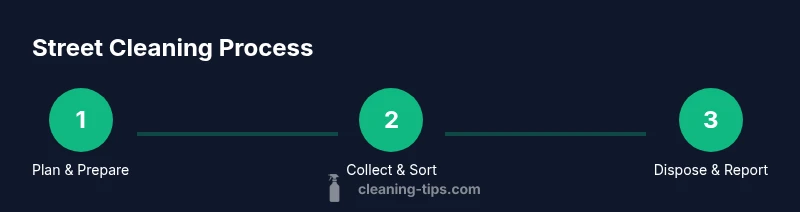
Start with a brief safety briefing, assign roles (team lead, litter sorters, baggers, and a traffic observer), and confirm the route. Then, execute the steps in order: plan the route, collect and sort waste, securely seal bags, transport to designated drop-off points, perform a final sweep, and document outcomes for follow-up with local agencies. Adapting the workflow to reflect real-world conditions—like parking-lane activity or bus traffic—is essential for staying effective on busy NYC streets.
Safety and waste disposal considerations
Safety must be your primary concern when cleaning streets in a busy urban environment. Always wear high-visibility gear, sturdy gloves, and closed-toe shoes. Establish a clear signal system for volunteers to communicate with the traffic observer, especially when crossing streets or working near lanes. Never touch hazardous materials, broken glass, or needles; report and segregate these items for proper disposal with local authorities. For waste disposal, coordinate with the NYC Department of Sanitation or authorized partners to ensure bags are collected promptly and sorted correctly (recyclables vs. general waste). Maintain a transparent chain of custody for all bags, and log quantities collected to support future funding and community reporting.
If a cleanup takes place near storm drains or watercourses, avoid contaminating runoff by using contained methods and following local guidelines for wastewater management. Keep a simple incident log to note near-misses, injuries, or equipment failures, and review the event afterward to improve safety for next time.
Engaging the community and volunteers
Sustained street-cleaning efforts rely on broad community involvement. Recruit volunteers through schools, local businesses, faith groups, and neighborhood associations. Highlight the tangible benefits—cleaner sidewalks, safer routes to transit, and a more attractive storefront environment—to encourage ongoing participation. Create a simple communication plan with dates, locations, and essential safety notes. Offer recognition for volunteers, share photos of the cleanup in action, and invite participants to invite friends and family to join future sessions. When people feel connected to a cause and see real improvements, they’re more likely to participate again and bring others along.
Measuring impact and reporting results
To keep momentum, set up a lightweight measurement and reporting process. Track metrics such as the number of bags collected, approximate weight if feasible, and volunteer hours. Take before-and-after photos to illustrate progress and share them with participants and local stakeholders. Publish concise impact summaries on community boards or social channels, and make your data available to partner organizations to foster continued support. Regular reporting reinforces accountability and demonstrates that clean streets nyc efforts are making a real difference in the neighborhood.
Long-term maintenance for cleaner streets
Long-term cleanliness requires ongoing routines and partnerships. Consider establishing a monthly or quarterly cleanup calendar that rotates among streets or blocks, leveraging student volunteers during school terms or corporate volunteer programs. Pair cleanups with public education about litter prevention, such as properly disposing of trash, recycling, and reducing plastic use. Expand impact by coordinating with local businesses to provide incentives for participation, and by inviting residents to host micro-cleanups in their own blocks. By embedding cleanup into the community’s fabric, you help ensure NYC streets stay cleaner between larger city-wide campaigns.
Tools & Materials
- litter grabbers / reach tool(Extendable handles preferred, at least 24 inches)
- work gloves(Durable gloves with grip, cut-resistant recommended)
- high-visibility vests(Bright colors; reflective if available)
- plastic trash bags(Durable, weather-resistant; separate recyclables)
- sorting bins or labeled bags(Label bags for recyclables, general waste, organics if present)
- broom, push broom or stiff brush(For sweeping debris into piles)
- dustpan or scoop(For collecting loose gravel and small debris)
- traffic safety cones or reflectors(Optional but improves safety near lanes)
- first aid kit(Basic supplies for minor cuts or scrapes)
- water and sun protection(Hydration and sunscreen essential for sunny days)
Steps
Estimated time: 60-120 minutes
- 1
Prepare your cleanup plan
Identify target street segment, confirm permissions if required, and map nearby hazards. Assign roles and establish a simple route plan with a designated safety observer.
Tip: Walk the route first to note traffic patterns, hydrants, and manholes. - 2
Assemble your crew and gear
Gather volunteers, designate a team lead, and distribute PPE and tools. Set clear on-site responsibilities and a backup plan for weather or extended routes.
Tip: Have a sign-in sheet to track participation and keep contact info for follow-up. - 3
Sort litter and collect recyclables
Begin at one end and work methodically to the other, sorting items into labeled bags for recyclables and general waste. Keep bags tied and staged in a safe, sheltered area.
Tip: Label bags visibly and avoid cross-contamination between waste streams. - 4
Secure, transport, and dispose of waste
Transport filled bags to the designated collection point while ensuring bags aren’t overfilled. Coordinate with sanitation for timely pickup and proper disposal.
Tip: Do not overfill bags; leave space to prevent tearing during transport. - 5
Clean and finalize the area
Sweep the street edge and curb area to remove small debris missed earlier. Do a quick safety check before leaving.
Tip: Revisit high-risk zones like crosswalks and near storm drains for a final pass. - 6
Document results and plan follow-up
Record waste quantities, hours worked, and photos. Share results with participants and local groups to encourage future participation.
Tip: Publish a short recap and set a date for the next cleanup to sustain momentum.
Questions & Answers
Do I need permits or approvals to organize a street-cleaning event in NYC?
Requirements vary by location and activity. Check with your local community board or the relevant city agency to understand permissions and safety requirements before starting. Coordinating with sanitation and traffic control may be needed for street closures or large groups.
Requirements vary by location. Check with local authorities to understand permissions before you begin.
What safety gear should volunteers wear?
Volunteers should wear high-visibility vests, sturdy gloves, closed-toe shoes, sun protection, and bring water. Use a traffic observer to coordinate with passing vehicles and pedestrians for safe operation.
Wear high-visibility vests, gloves, and closed-toe shoes; stay hydrated and be aware of traffic.
How should waste be sorted and disposed of after a street-cleaning event?
Sort items into recyclables and general waste, then coordinate with the NYC Department of Sanitation or a designated disposal partner for pickup. Keep a simple log of what was collected for transparency.
Sort recyclables from trash and arrange for proper disposal with the city or a partner.
How often should streets be cleaned in NYC for best impact?
Frequency depends on location and activity level. Prioritize high-traffic areas for more frequent cleanups and build a regular schedule with community partners.
Frequency varies by area; focus on high-traffic zones and create a recurring plan.
How can residents sustain momentum after a cleanup?
Encourage ongoing involvement by forming a neighborhood cleanup group, coordinating with schools or businesses, and sharing regular updates and success stories.
Form a group, enlist partners, and share updates to keep people engaged.
Watch Video
The Essentials
- Plan routes with safety in mind and assign roles clearly.
- Sort waste on-site and coordinate with sanitation for disposal.
- Document results to demonstrate impact and gain support.
- Engage a broad group of volunteers to sustain momentum.
- Communicate outcomes to the community to encourage ongoing participation.