How to Clean Virus for Free: Safe Home Disinfection
Learn cost-free methods to disinfect viruses from everyday surfaces at home with guidance from Cleaning Tips. Safe, practical steps you can start today to reduce transmission and keep your home healthier.


This guide shows you how to clean virus for free using cost-free, proven methods you can perform at home. You’ll learn safe disinfection principles, how to use common household items, and a practical, step-by-step workflow you can start today to reduce transmission risk without spending a dime. Designed for homeowners and renters, it emphasizes safety, proper technique, and routine maintenance.
Why cleaning virus for free matters
For many households, disinfection can feel expensive, especially during cold and flu seasons or outbreaks. The desire to clean virus for free is not about shortcuts; it’s about practical, evidence-based routines that use items you already have and routines you can sustain. According to Cleaning Tips, regular cleaning with soap and water, followed by proper disinfection when needed, can lower surface burden without additional purchases. This approach is especially helpful for renters or households on a tight budget, who still want a healthier living space. In this block we’ll cover why cost-free methods matter, how to balance cleaning and disinfection, and how to fit a safe routine into busy days. We'll also set expectations: no method guarantees sterile results, but consistent practice reduces transmission risk and creates a healthier home environment. This is about smart hygiene, not miracle cures. Use the guidance here to build confidence in affordable, safe practices that you can maintain for the long term.
Core disinfection principles at home
Disinfection at home starts with solid cleaning. Always clean surfaces with soap and water first to remove grime and organic matter, then apply a disinfectant that is appropriate for the surface. Choose EPA-registered products and follow the label instructions for contact time and dilution. Ventilate the area and wear gloves if you’re using chemical cleaners. Never mix cleaners, especially bleach with ammonia, which can produce hazardous gases. For electronics, avoid direct spraying and instead apply liquid to a cloth. This section lays the foundation for a practical, cost-free routine that emphasizes safety, labeling, and caution, drawing on guidance from Cleaning Tips and universal hygiene best practices. The goal is steady, repeatable actions that reduce risk without increasing costs, while preserving the integrity of household surfaces and fabrics.
Free tools and household items that work
You don’t need fancy gear to keep viruses at bay. Start with items you already own: a spray bottle, clean microfiber cloths, mild dish soap, and clean water. A bucket helps with rinsing, while disposable gloves protect your hands during cleaning. Use old towels or rags for absorbent wiping. If you have access to EPA-approved disinfectants, keep them handy and follow the label. Free or low-cost options also include using plain soap and water for initial cleaning, then using a disinfectant when indicated. This section shows how everyday items combine with mindful technique to form a robust cleaning routine that minimizes cost while maximizing safety. The Cleaning Tips team recommends documenting what you use and when you disinfect to build a repeatable habit that sticks.
When to use what: soap and water vs disinfectants
Soap and water alone remove many germs and are a critical first step for routine cleaning. Disinfection is especially important on high-touch surfaces such as doorknobs, light switches, and phones. If you’re using a chemical disinfectant, ensure it is labeled for the specific virus you’re concerned about and that you follow the recommended contact time. For most households, a simple workflow is to clean with soap and water, then apply an EPA-registered disinfectant on high-contact areas. The key is to align the method with the surface type and the risk level, not to over-wash or over-disinfect. This balanced approach supports a free, sustainable routine that doesn’t require buying new products each season. Cleaning Tips emphasizes that consistency matters as much as the method itself, especially in shared living spaces.
Step-by-step approach to high-touch surface disinfection
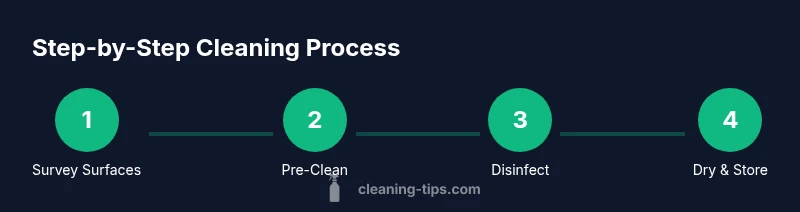
High-touch surfaces accumulate germs quickly and deserve a regular disinfection routine. Begin by listing surfaces that get touched most often, then schedule a quick cleaning cycle. Use soap and water to remove visible dirt, rinse, and dry. Apply a disinfectant following the label instructions, ensuring you cover all contact points. Allow surfaces to air-dry if the label calls for it, and avoid rubbing aggressively to prevent wear. Finally, dispose of used wipes properly and wash your hands thoroughly. This section translates the steps into everyday practice, reinforcing a disciplined approach that keeps costs down while maintaining effectiveness. The Cleaning Tips team notes that simple, repeatable routines beat sporadic, intense cleaning in real-world homes.
Special cases: electronics and fabrics
Electronics require extra care because moisture can damage components. Use a dry microfiber cloth or a cloth lightly dampened with approved electronics-safe cleaners, never spray liquids directly. For fabrics and soft surfaces, check fabric care labels before applying cleaners and test on a small hidden area first. Ventilate rooms well during or after cleaning to reduce lingering chemical odors. By treating these common exceptions with care, you add resilience to your free cleaning plan and extend the life of household items. Cleaning Tips recommends prioritizing high-traffic items and adjusting the routine to fit your home’s layout and usage patterns.
Safety, PPE, and ventilation
Safety comes first when cleaning viruses, even with free methods. Wear gloves when handling cleaners, work in a ventilated area, and wash hands after finishing. Read and follow label directions on all products, and never mix cleaners. Store chemicals out of reach of children and pets. If someone in the home has chemical sensitivities, consider fragrance-free options and minimize exposure. Effective disinfection relies on proper technique, not aggressive chemical use, so slower, deliberate cleaning can outperform rushed efforts. The point is to create a safe, repeatable habit that protects health without compromising family safety.
Creating a cheap cleaning routine that works
A low-cost routine hinges on consistency, not extravagance. Schedule a brief daily wipe-down of high-touch surfaces with soap and water, followed by a weekly disinfection pass on key areas. Use the items you already own and rotate through inexpensive cleaners that are on hand. Maintain a simple log to track surfaces cleaned and products used, which helps avoid waste and ensures you don’t miss areas. The aim is to embed cost-free habits into daily life so that safe cleaning becomes second nature rather than a chore. The Cleaning Tips team highlights that small, regular steps accumulate into meaningful reductions in germ load over time.
Common mistakes that waste time and money
Rushing through cleaning often leads to missed spots and ineffective disinfection. Overusing cleaners beyond label directions can reduce surface integrity and create waste. Another frequent misstep is treating all surfaces the same; some materials require gentler approaches. Also, relying on one method without prep—such as skipping soap-and-water cleaning before disinfection—can leave surfaces dirtier and less amenable to disinfection. By recognizing these pitfalls, you can refine your free cleaning routine and achieve better results with fewer resources. Cleaning Tips emphasizes that mindful planning and routine adjustments yield the best long-term outcomes.
When to seek professional help
If you’re dealing with persistent contamination, odors, or visible mold growth, it’s wise to seek professional cleaning assistance. A pro can assess surfaces, select appropriate products, and safely address areas that require specialized equipment. Even when aiming to clean virus for free, there are times when expert intervention is the safest option. The goal is to balance do-it-yourself practices with professional support when needed to maintain a healthy home environment. The Cleaning Tips team advises that prevention and routine maintenance are the best defenses, with professional help reserved for situations beyond basic cleaning.
This article intentionally avoids making legal or medical claims beyond general cleaning best practices. For the latest guidelines, consult official sources such as the CDC and EPA.
Tools & Materials
- Soap and water(Mild dish soap works for initial cleaning)
- Microfiber cloths(Launder between uses; avoid fabric softeners)
- Spray bottle(Rinse and reuse; label clearly)
- Bucket(Optional for rinsing larger areas)
- Disposable gloves(Use during disinfectant contact time)
- EPA-registered disinfectant (optional)(Follow label; use when indicated)
- Trash bags(Dispose of wipes and gloves safely)
- Ventilation (open window, fan)(Improves air circulation during cleaning)
- Dry cloth or paper towels(Dry surfaces after cleaning)
Steps
Estimated time: 20-30 minutes
- 1
Identify high-touch surfaces
Make a quick list of surfaces that get touched frequently (doorknobs, switches, phones, remote controls). This helps prioritize where to start and ensures you don’t miss critical areas.
Tip: Start with the most trafficked zones first for maximum impact. - 2
Pre-clean with soap and water
Wipe grime and dirt with soap and water. Cleaning removes organic matter that can shield germs, improving disinfectant effectiveness.
Tip: Use a damp cloth and a mild soap solution for best results. - 3
Apply disinfectant per label
Apply the disinfectant to the surface according to the product’s label, ensuring proper contact time. Do not mix products unless the label allows it.
Tip: Do not spray directly onto electronics. - 4
Wipe and air-dry
Wipe surfaces with a clean cloth and allow to air-dry as required by the product label. Proper drying helps maximize disinfectant effectiveness.
Tip: Avoid wiping away before the recommended contact time. - 5
Clean tools and wash hands
Dispose of cleaning wipes if single-use, wash reusable cloths, and wash your hands thoroughly after disinfection.
Tip: Keep a small hand sanitizer handy for moments when washing isn’t possible.
Questions & Answers
Is cleaning with soap and water enough to remove viruses from surfaces?
Soap and water remove many germs and dirt; for viruses on high-risk surfaces, follow with a disinfectant per label. Always clean first, then disinfect for best results.
Soap and water remove germs, but for viruses you should disinfect surfaces according to product labels after cleaning.
Can I use vinegar to disinfect surfaces?
Vinegar is not reliably effective against many viruses. Use an EPA-registered disinfectant and follow the label for surfaces that require disinfection.
Vinegar isn’t reliably effective for disinfection against many viruses; use an EPA-approved disinfectant instead.
Are homemade cleaners safe for disinfection?
Homemade cleaners can be safe for basic cleaning, but disinfection should rely on products with established efficacy and proper labeling. Never mix cleaners and always follow safety guidelines.
Homemade cleaners can help with cleaning, but for disinfection rely on approved products and safe practices.
How often should high-touch surfaces be disinfected?
High-touch surfaces should be cleaned and disinfected more frequently, typically daily in busy homes, and after any potential contamination events. Consistency matters more than intensity.
Disinfect high-touch surfaces daily in busy homes and after potential contamination events.
Is it safe to disinfect electronics?
Disinfect electronics carefully by first turning off devices, using a cloth lightly dampened with approved cleaners, and never spraying liquids directly on devices.
Be careful with electronics—avoid direct spraying and use a damp cloth instead.
When should I seek professional cleaning help?
If contamination persists, odors linger, or you suspect mold or biohazards, professional cleaners may be needed. They can assess surfaces and use appropriate methods safely.
If problems persist or you suspect hazards like mold, seek professional cleaning help.
Watch Video
The Essentials
- Start with soap and water before disinfecting
- Prioritize high-touch surfaces for best results
- Follow label directions for any disinfectant
- Use cost-free tools first before purchasing anything new
- Safety and ventilation are essential for effective cleaning