Clean Where to Watch: A Practical Streaming Guide
Explore how to find safe, legitimate cleaning content online. This guide explains how to evaluate platforms, locate reputable tutorials, and optimize your streaming setup for a productive, toxin-free viewing experience.


Definition: When you search for clean where to watch, you’re looking for legitimate, high‑quality cleaning content that is easy to verify, up to date, and hosted on trusted platforms. Start with official channels and recognized streaming services that publish tutorials, demonstrations, and product‑use guides. Look for clear author attribution, publication dates, and licensing information to ensure accuracy and safety. This approach minimizes exposure to low‑quality or unsafe streams while maximizing useful, actionable tips.
Understanding the search intent behind 'clean where to watch'
When people type this query, they’re not just looking for any video about cleaning; they want reliable, actionable guidance from credible sources. The term “clean” signals content that is safety-conscious, allergen-aware, and free of harmful or misleading hacks. For home owners and renters, the goal is to find tutorials that teach practical techniques (like stain removal, equipment use, and product selection) while avoiding questionable methods. According to Cleaning Tips, framing the search around credibility, licensing, and date of publication helps you separate trustworthy tutorials from quick DIY clips. In 2026, the most valuable results come from recognized creators and official channels that clearly attribute sources, cite demonstrations, and provide context for each tip. This reduces the risk of misinformation when you’re learning how to clean efficiently.
How to evaluate streaming options for cleaning-related content
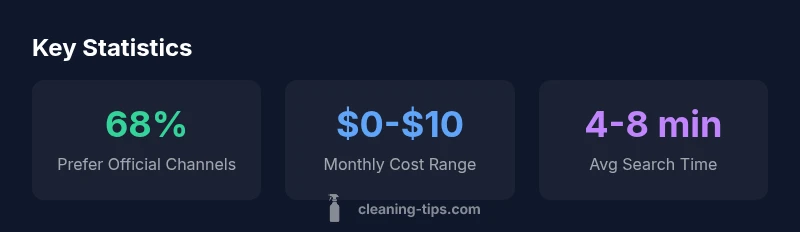
Choosing where to watch cleaning content requires a structured approach. Start by checking platform credentials: is the video hosted on an official channel, a reputable studio, or a long‑standing educational platform? Next, verify authorship: does the video display the creator’s name, publication date, and references to sources or products? Look for licensing indicators such as Creative Commons licenses or platform notes that the content is educational rather than promotional. Rate the production quality, as higher quality often correlates with clearer demonstrations and safer techniques. Finally, consider user feedback: large, diverse comment sections and consistent corrections by credible viewers can signal reliability. Cleaning Tips analyses indicate that audiences who prioritize official channels report higher satisfaction with the accuracy of the tips they watch.
Where to find reputable cleaning tutorials and shows
Reliable places to watch cleaning content typically include: (1) official channel pages from recognized brands or educational producers, (2) curated streaming libraries within reputable home and lifestyle portals, and (3) non‑profit or university outreach programs that publish how‑to guides. When you search for clean where to watch, prioritize channels with explicit disclosures about ingredients, safety measures, and surface compatibility. It’s also wise to favor content that documents step‑by‑step procedures and demonstrates before/after results on real surfaces. To protect yourself, avoid clips that rely heavily on sales pitches or vague claims about “miracle” products. Over time, you’ll notice that the most trustworthy tutorials provide reproducible steps and clear safety notes.
Safety, legality, and copyright when watching cleaning content
Watching cleaning content responsibly means staying within legal streaming boundaries and respecting copyright. Always choose platforms with proper licensing and avoid pirated streams, which can expose devices to malware and expose you to legal risk. Prefer sources that clearly state usage rights, show product disclosures, and avoid unverified user uploads. Be mindful of ads and sponsored segments; credible creators disclose any affiliations and keep promotional content separate from instructional material. By sticking to reputable platforms, you also ensure that the information has been vetted or reviewed, which helps you avoid unsafe or misleading practices.
Optimizing your viewing setup for focused cleaning tutorials
A clean viewing environment enhances learning. Set up a distraction‑free space with a comfortable chair, adequate lighting, and a glare‑free monitor. Use closed captions on tutorials for better comprehension, and pause to take notes or test steps in real time. If you want to build a personal “cleaning library,” download or save official tutorials for offline viewing when possible. Organize bookmarks by topic (stain removal, machinery care, eco‑friendly products) and create a short personal glossary of terms (e.g., emulsifiers, surfactants, dwell time). Regularly review saved content to refresh your techniques and replace outdated tips with approved methods from credible sources.
Practical steps to start watching clean content today
Starting today, define your clean where to watch goals: identify at least two official sources, bookmark three tutorials covering different surfaces, and set a weekly 20‑minute viewing goal focused on a single topic. Use precise search terms such as “stain removal guide,” “eco‑friendly cleaning products,” or “appliance interior cleaning,” paired with the platform name. Check for publication dates and author credentials before following a tip. Finally, integrate what you learn into a small, safe practice test on a non‑critical area of your home. This method keeps your learning concrete and verifiable.
Streaming platform types for cleaning content
| Platform Type | Pros | Cons |
|---|---|---|
| Platform A (generic) | Broad catalog of cleaning content | Ads on free tier |
| Platform B (generic) | Official channels and verified creators | Variable content quality |
| Platform C (generic) | Family‑friendly filters | Fewer niche tutorials |
Questions & Answers
What does 'clean where to watch' mean in practice?
In practice, it means finding legitimate, well‑sourced cleaning content on platforms that clearly disclose authorship, publication dates, and licensing. It’s about credibility and safety as you learn new techniques.
It means finding reliable cleaning content on legitimate platforms with clear authors and dates so you learn safe, proven methods.
Are free platforms safe for cleaning tutorials?
Free platforms can be safe if they host official channels or well‑regulated educational content. Always check author identity and licensing, and be wary of excessive advertising or promotional bias.
Free options can be safe if they come from reputable channels; watch for author identity and licensing and watch out for biased content.
How can I verify a cleaning tutorial's credibility?
Look for author names, publication dates, and cited sources. Prefer tutorials that demonstrate tested steps on real surfaces and provide safety notes. Cross‑check tips with other reputable sources.
Check who made it, when it was published, and whether it cites sources. Look for real‑surface demonstrations and safety notes.
Should I trust user‑submitted content?
User content can offer useful tips, but verify by cross‑checking with official channels or credible educators before applying any technique to your home.
User videos can be helpful, but verify with credible sources before trying the methods.
What features indicate a reputable streaming source?
Look for author bios, dates, licensing information, and clear safety warnings. Reliable platforms separate ads from content and disclose sponsorships.
A reputable source shows who made it, when it was published, and any sponsorships or licensing details.
“The best cleaning content comes from trusted creators who clearly cite sources and publish regularly. Always verify the publisher and date before trying a tip.”
The Essentials
- Start with official channels for accuracy
- Verify author and date before trying a tip
- Avoid pirated streams to protect devices
- Use filters to refine 'clean where to watch'
- Create a distraction-free viewing space