Clean with Keystone: A Practical Home Cleaning Guide
Learn a practical, eco-friendly keystone cleaning approach. This Cleaning Tips guide explains keystone zones, tools, and routines for a healthier, simpler home.


With keystone cleaning, you prioritize the home areas that yield the biggest impact first—kitchen surfaces, bathroom fixtures, entryways, and high-traffic floors—then maintain them with a simple, repeatable routine. Start by gathering a small toolkit of eco-friendly basics and a timer to keep you on track. Cleaning Tips shows this focused approach delivers faster, longer-lasting results for busy households.
What is Keystone Cleaning and Why It Matters
Keystone cleaning is a targeted approach that prioritizes the most impactful areas in a home. By focusing on keystone zones—kitchen surfaces, bathroom fixtures, entryways, and high-traffic floors—you can achieve noticeable cleanliness with less effort. This method aligns with the concept of keystone habits: small, repeatable actions that support broader routines. In practice, clean with keystone means you start with the zones that drive daily comfort, then sustain them with simple routines. According to Cleaning Tips, this approach yields faster, longer-lasting results for busy households. When you apply keystone cleaning consistently, you reduce the chance of surface grime spreading to other areas, simplify maintenance, and create a livable baseline you can build on. The idea is not about perfection, but about creating dependable cleanliness that scales with your schedule.
The keystone zones in your home
Start with four core zones that drive perceived cleanliness: the kitchen work surfaces and sink, the bathroom vanity and toilet area, entryways and high-traffic hallways, and the living room surfaces that get touched daily (coffee tables, remote controls, and light switches). For each zone, identify the typical grime patterns: grease on counters, soap scum in faucets, dust on switches, tracked-in dirt on entry mats. Use a zone-by-zone plan: assign a dedicated cleaning routine to each zone on a rotating schedule, rather than attempting to clean the entire house in one session. This strategy aligns with real-life constraints, such as limited time, shared living spaces, and seasonal cleaning cycles. Keeping a simple log—date cleaned, products used, noticed improvements—helps you measure progress over weeks rather than hours. The result is a cleaner home with less effort and a clearer sense of accomplishment, which motivates you to keep going.
Eco-friendly ingredients and why they work
A keystone cleaning routine benefits from simple, non-toxic ingredients that are effective across multiple surfaces. Baking soda acts as a gentle abrasive for scuffed counters and sinks, while baking soda plus water forms a mild paste for grout and tough stains. White vinegar is a versatile degreaser and deodorizer; when used alone it's excellent on glass, chrome, and tile, but never mix vinegar with bleach or ammonia. The science behind these ingredients is straightforward: baking soda raises pH slightly to loosen grime, and vinegar cuts through mineral deposits and oils. For everyday upkeep, you can use a spray bottle of diluted vinegar for quick wipe-downs and a baking soda paste for periodic deep-cleaning. As Cleaning Tips notes, the key is consistency: a small, repeatable practice beats rare, intense scrubbing sessions. If you have stone surfaces, test any paste on a hidden area first and avoid prolonged contact with acidic solutions on natural stone. With care, these ingredients support a healthy home and a lower chemical footprint.
Tools and materials you need for keystone cleaning
Before you begin, assemble a compact toolkit that covers all keystone zones. The essential items include a spray bottle (for diluted cleaners), microfiber cloths (for streak-free finishes), a non-abrasive scrub brush, baking soda, white vinegar, and a mild all-purpose cleaner. Gloves protect your skin, while a bucket or basin helps you rinse cloths or mix cleaning solutions. Optional items that speed up results include a squeegee for glass surfaces, a grout brush for tile lines, and labeled spray bottles for separate formulas. Keep cleaners stored in a cool, dry place away from children and pets, and reuse cloths instead of disposable wipes to reduce waste. With these tools, you can tackle most keystone tasks in a single, efficient session. Cleaning Tips recommends keeping a small inventory and rotating products by zone to minimize clutter and decision fatigue. Your toolkit should be portable enough to move from room to room, yet durable enough to withstand regular cleaning cycles.
Preparing your space for keystone cleaning
A successful keystone cleaning session starts with preparation. Open windows or run the ventilation fan to minimize fumes, especially when using cleaners near kitchens and bathrooms. Clear surfaces of knick-knacks, magazines, and loose items so you can access every area quickly. If you’re cleaning with others, agree on boundaries and share tools to avoid cross-contamination. Protect flooring by placing mats or towels under damp zones, and consider dusting first to prevent re-deposit on freshly cleaned surfaces. For allergy-prone homes, wear a simple mask and keep pets away from cleaning zones. Labeling zones or using a simple map helps family members know which area you’re cleaning and when it will be finished. Finally, set a timer to keep sessions efficient; many keystone tasks take 15–25 minutes per zone if you stick to a routine.
A practical keystone cleaning routine (overview)
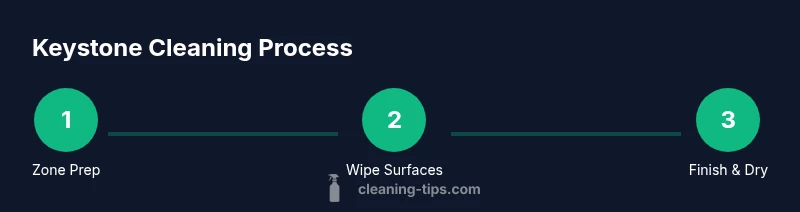
Routine matters more than intensity. A weekly keystone cleaning plan might look like this: Monday kitchen, Tuesday bathroom, Wednesday entryway and living surfaces, Thursday floors and dusting, Friday touch-up or catch-up. On each day, you’ll follow a simple sequence: remove clutter, wipe high-contact surfaces, treat grout or mineral deposits (if needed), rinse or wipe away residue, and dry to prevent streaks. For a deeper quarterly clean, focus on grout lines, window tracks, and behind appliances. The goal is to create a dependable habit that takes 30–45 minutes per session for an average-sized home. By keeping your approach consistent, you’ll notice fewer repeated cleanups and a more comfortable living environment. Cleaning Tips emphasizes starting with the keystone zones and expanding gradually as you gain momentum. Remember to document your progress and adjust the routine seasonally for changed usage patterns.
Common mistakes and safety tips
Avoid mixing cleaners, which can release dangerous fumes. Do not use acidic cleaners on natural stone without testing; always spot-test. Over-wetting surfaces leads to long drying times and potential mold growth; wipe and dry promptly. Skipping ventilation can cause headaches; keep air circulating. Finally, neglecting to sanitize high-touch zones—door handles, switches, and remotes—undermines your effort. Safety: wear gloves, work in a well-ventilated area, and keep cleaners out of reach of children and pets. If you have persistent stains or sensitive materials, consult product labels or seek professional advice.
Maintaining keystone cleanliness over time
Set a realistic schedule: a 15–30 minute weekly keystone check-in keeps your home looking fresh. Use price- and waste-conscious routines: reuse cloths, avoid disposable wipes, and store cleaners safely. Promote habits that support ongoing cleanliness: wipe down kitchen counters after cooking, dry the sink area after use, and keep entry mats clean to minimize dirt intrusion. A simple log or checklist helps you track when zones were last cleaned and what products were used. By focusing on keystone areas, you build a resilient cleaning system that scales with family needs, pets, and seasonal changes. Cleaning Tips notes that consistency is the hinge that makes any cleaning plan successful. With commitment, your home stays healthier and easier to maintain between deep cleans.
Tools & Materials
- Spray bottle (dilution possible)(Label separate formulas for vinegar, all-purpose cleaner)
- Microfiber cloths(Washable, lint-free)
- Baking soda(Fine powder for paste and deodorizing)
- White vinegar(Diluted for spray; avoid on natural stone)
- Non-abrasive scrub brush(For grout and tough grime)
- Gloves(Protect hands; nitrile recommended)
- Bucket or basin(For rinsing cloths or mixing solutions)
- Squeegee(For glass surfaces and showers)
- Grout brush(For tile lines)
Steps
Estimated time: 60-90 minutes
- 1
Inspect and assemble
Begin by surveying all keystone zones you plan to clean. Gather your tools, check product labels, and confirm you have adequate ventilation. This preparation prevents mid-session interruptions and ensures you apply the right formulas to each surface.
Tip: Double-check corners and hidden spots; grime hides in grout lines and under edges. - 2
Declutter and ventilate
Remove clutter from surfaces and open nearby windows or activate the exhaust fan. Clearing space reduces drag on the cleaning process and improves the effectiveness of wipe-downs and rinsing.
Tip: A quick declutter saves 5–10 minutes per zone and minimizes wipe-down repeats. - 3
Wipe high-contact surfaces
Start with kitchen counters, faucet handles, light switches, and door knobs. Use a microfiber cloth with your chosen cleaner; move in straight lines to avoid streaks and recontamination from dirty cloths.
Tip: Wipe from top to bottom to prevent soil from dripping onto clean areas. - 4
Treat grout and mineral deposits
Apply a baking soda paste to grout lines and mineral buildup, let sit 5–10 minutes, then scrub with a grout brush or stiff cloth. Rinse thoroughly to prevent residue and future staining.
Tip: For stubborn grout, try a vinegar rinse after the paste; never mix vinegar with bleach. - 5
Rinse and dry surfaces
Rinse surfaces where needed and dry with a clean cloth to prevent watermarks and mold growth. Drying is essential in bathrooms and kitchens with high humidity.
Tip: Use a microfiber cloth for fast drying and to avoid lint: less residue equals less dirt attractant. - 6
Document and store
Wipe down tools, label bottles, and store cleaners out of reach of children and pets. Make a quick note of what worked well for each zone to improve your next session.
Tip: A simple one-page checklist per zone speeds future cleanings.
Questions & Answers
What does 'clean with keystone' mean?
Keystone cleaning focuses on the zones that contribute most to a clean feel in a home. By prioritizing kitchens, bathrooms, entryways, and high-traffic surfaces, you achieve noticeable results quickly and create a sustainable cleaning rhythm.
Keystone cleaning means cleaning the most impactful areas first to get the biggest daily payoff, then keeping up with a simple routine.
Why should I start with keystone zones?
Starting with keystone zones provides the fastest perceptible improvement, reduces time spent on low-impact areas, and builds momentum for a regular cleaning habit. This approach aligns with how people live and move through a space.
Beginning with the most-used areas makes your home feel cleaner sooner and keeps you motivated.
Can baking soda and vinegar damage surfaces?
When used correctly, baking soda and vinegar are versatile cleaners. Do not mix vinegar with bleach or ammonia, and test on delicate surfaces like natural stone before full use.
Baking soda and vinegar are generally safe, but avoid mixing them with bleach and stone-sensitive surfaces without testing.
What if stains persist in grout or tiles?
For stubborn grout, use a paste of baking soda and water, apply and scrub with a grout brush, then rinse thoroughly. If needed, repeat the process and consider a specialized grout cleaner following label directions.
Stubborn grout may need a repeat cleaning with baking soda paste and a grout brush.
How often should I perform keystone cleaning?
Aim for a light keystone clean weekly, with a deeper quarterly pass to refresh grout, tracks, and under-appliance areas.
Do a quick weekly clean and a deeper quarterly refresh.
Is keystone cleaning suitable for rental spaces?
Yes. Keystone cleaning is especially helpful for rentals because it emphasizes efficiency and low-toxicity products, minimizing changes required between tenants.
Keystone cleaning works well for rentals and helps maintain a fresh feel between occupants.
Watch Video
The Essentials
- Identify keystone zones and tackle them first
- Keep a simple, repeatable routine
- Use eco-friendly ingredients when possible
- Maintain surfaces by drying after cleaning
- Document progress to stay motivated