Crawl Space Clean: A Complete Step-by-Step Guide
Learn how to safely clean a crawl space, control moisture, remove mold, and prevent future problems with a practical, step-by-step approach designed for homeowners and renters.


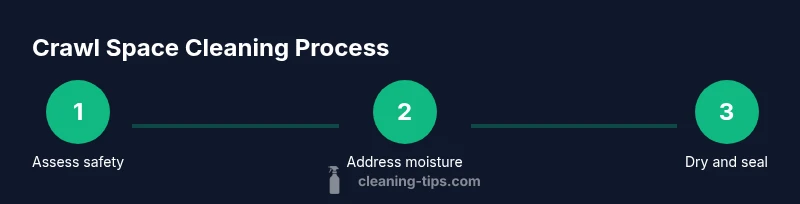
This guide helps you crawl space clean by inspecting moisture sources and mold, removing debris, drying the area, and sealing leaks. It covers safety gear, PPE, lights, moisture meters, a shop vacuum, dehumidifier, and plastic sheeting, plus a practical, step-by-step approach for a safer, healthier crawl space. Follow it to organize tasks, manage moisture, and minimize exposure to dust and mold.
Why crawl space cleaning matters
Crawl spaces are often overlooked in home maintenance, but they play a critical role in overall indoor air quality and structural health. A clean crawl space helps limit dust, avoids moisture buildup, and reduces risk of mold growth that can spread to living spaces. Moisture is the enemy here: it fuels mold, wood rot, and musty odors that travel through vents and gaps. Regular cleaning creates a dry, sealed environment that resists pests and humidity swings. In addition, a well-maintained crawl space can improve energy efficiency by reducing air leaks and helping your insulation stay dry. Consistent checks for standing water, damp walls, and condensation on vents will save time and money over the long term. By approaching crawl space clean as a proactive routine rather than a one-off task, homeowners and renters protect their largest investments—their homes. The Cleaning Tips team emphasizes that dividing the work into prepared steps makes the job safer and more effective, especially for inexperienced DIYers. The payoff is a quieter, healthier home with fewer allergy triggers and better humidity control.
Mold, moisture, and air quality
Moisture is the root cause of most crawl space problems. When humidity rises or there is a leak, wood can warp, insulation can lose effectiveness, and mold spores can proliferate in hidden corners. Mold growth in the crawl space can travel through floor joists and into living rooms, triggering allergies, coughing, and wheezing for sensitive individuals. Air quality is affected by the tiny particles that circulate through gaps in walls and through HVAC ducts. Addressing moisture sources is essential before any cleaning. Start by locating leaks, roof or plumbing issues, and ground dampness near the foundation. A functioning vapor barrier, proper drainage, and ventilation help keep the space dry. If mold is visible, you must decide whether cleaning can be done safely in the space or if professional remediation is warranted. The goal is to interrupt the moisture cycle and create a dry, sealed environment where dust and spores cannot easily travel into the living spaces. Routine checks are part of ongoing home maintenance, just like changing filters or cleaning gutters.
Safety first: PPE, hazards, and access
Before entering a crawl space, plan for safety. The environment can contain cold air, low ceilings, pests, and hidden water; exposure to mold or dust without protection can cause irritation and respiratory issues. Wear a properly fitted N95 or P100 respirator, impermeable gloves, and eye protection. Long sleeves and pants with thick socks reduce skin contact with irritants. Ensure adequate lighting and a clear exit path before you start. If you encounter severe mold growth, exposed electrical wiring, or standing water, evacuate and reassess; consider hiring a professional. Keep a buddy system in place when you work in tight spaces, especially if it’s difficult to reach the area. Use temporary barriers to isolate the work area and minimize dust migration to the rest of the home. Take breaks to avoid overheating or fatigue, and stay hydrated. After cleaning, dispose of contaminated materials according to local regulations.
Tools, PPE, and prep steps
Gather the right tools before you start so you don’t stall mid-task. Essential items include PPE (N95 mask, gloves, goggles), a moisture meter, a lights or headlamp, a shop vacuum with a HEPA filter, plastic sheeting (6 mil or thicker), duct tape, a utility knife, a broom or stiff brush, a dehumidifier, and stain-resistant rags. Optional but helpful: a small generator for power outages, a crawl-space access ladder, and zip ties to seal bags. Prepare the space by removing loose debris, creating a clear path to your exit, and laying down plastic to isolate moist areas. Line up trash bags and a dedicated container for absorbing water. If you’re cleaning with water, plan for drying: a dehumidifier or fan will speed up the process. Keep a notebook handy to document mold patches, moisture readings, and any repairs. Finally, check local safety guidelines or HOA rules that might affect crawl space work.
Detailed plan: moisture control, mold remediation, and ventilation
Implement a structured plan that addresses moisture, mold, and air movement. Begin with moisture control: fix leaks, ensure proper drainage away from the foundation, seal gaps where moist air enters, and install or repair a vapor barrier under the structure. Use a moisture meter to verify relative humidity levels, aiming for consistent readings well below 60% in the crawl space. For mold remediation, isolate affected areas, use containment barriers, and clean with appropriate solutions per mold type (for small areas with no swelling growth, soap and water or a specialized cleaner may suffice; for larger growth, professional spill containment and cleaning may be needed). Remove porous materials that show mold damage if cleaning is not effective. Improve ventilation by enabling passive airflow or adding a vent fan to move air from the living space into the crawl space only if appropriately sealed, reducing pressure differentials. After cleaning, dry everything thoroughly with dehumidification and targeted fans. Schedule regular checks to maintain dryness, inspect the vapor barrier periodically, and address any drainage changes that could reintroduce moisture. The goal is a consistently dry, draft-proof crawl space that discourages mold regrowth. The Cleaning Tips team notes that moisture control is the foundation of a healthy crawl space and should be reevaluated after any major home project.
Preventive maintenance for a healthy crawl space
Turn crawl space cleaning into a preventive routine rather than a reactive task. Schedule seasonal inspections for signs of moisture, condensation, pests, or odors. Keep an eye on ground slope grading to ensure water drains away from the foundation, and repair any insulation or vapor barrier damage promptly. Use a dehumidifier during humid seasons and monitor humidity with a reader. Establish a simple maintenance calendar for tasks like sealing gaps, rerouting downspouts, cleaning gutters, and rechecking the HVAC ducts that interface with the crawl space. Document all measurements and repairs so you can compare year over year; this helps you detect gradual changes before they become major issues. If you have a retrofit project or a large crawl space with complex layouts, consider hiring a professional for an initial assessment and then maintain it yourself with periodic rechecks. Cleaning Tips suggests a repeating quarterly check to reduce the chance of recurring moisture problems and keep vital components like electrical, plumbing, and supports dry.
AUTHORITY SOURCES
- https://www.epa.gov/mold
- https://www.cdc.gov/mold/default.html
- https://extension.illinois.edu/home-cleaning
Tools & Materials
- PPE (N95 mask, gloves, goggles)(Fit-tested mask preferred; respirators recommended for mold exposure)
- Moisture meter(Used to monitor relative humidity levels in crawl space)
- Lights/headlamp(Bright, hands-free lighting recommended)
- Shop vacuum with HEPA filter(To collect dust, debris, and mold spores safely)
- Plastic sheeting (6 mil or thicker)(Create containment and protect surfaces)
- Duct tape(Seal plastic, contain debris, and secure covers)
- Utility knife(Cut plastic and remove damaged material)
- Dehumidifier(Maintain dry conditions after cleaning)
- Broom or stiff brush(Dislodge dust and mold on surfaces)
- Trash bags(For disposing of contaminated materials)
Steps
Estimated time: 2-4 hours
- 1
Assess safety and prep
Survey the crawl space for hazards, turn off any affected circuits if necessary, and map an exit path. Identify moisture sources and decide whether you need containment to keep dust from spreading into living areas.
Tip: Have a buddy assist you and stay near the exit as a safety precaution. - 2
Shut off utilities and ventilate
If safe, turn off power to any lights beyond the crawl space and open exterior vents to maximize airflow. Use a portable fan to improve air movement without creating cross-contamination.
Tip: Do not work around electrical wiring; if you suspect wiring issues, call a professional. - 3
Clear debris and create a clean path
Remove loose debris and organize tools. Lay down a plastic barrier to protect the living area and define a work corridor to minimize trip hazard and dust migration.
Tip: Keep a small bag for debris and a separate one for moldy material. - 4
Address moisture sources
Identify leaks, improve drainage away from the foundation, and repair gaps where moist air enters. Install or repair a vapor barrier under the structure where feasible.
Tip: Take moisture readings before and after repairs to confirm improvement. - 5
Clean mold-affected materials
If mold is present, follow appropriate cleaning protocols for small areas and remove porous materials if needed. Use soap and water or approved cleaners on hard surfaces; bag and seal contaminated items.
Tip: Never mix cleaners with bleach in confined spaces; use labeled products and ventilation. - 6
Dry thoroughly
Run the dehumidifier and use fans to accelerate drying. Aim for consistently low humidity and thoroughly dry any damp insulation or framing.
Tip: If readings stay high after 24 hours, re-check for hidden leaks. - 7
Seal and insulate access points
Seal gaps around the access door, vents, and any penetrations. Improve insulation to reduce condensation and help maintain a dry space.
Tip: Use spray foam or caulk appropriate for crawl spaces and vented areas. - 8
Establish maintenance plan
Create a quarterly check schedule for moisture, mold signs, and drainage. Document readings and repairs for future reference and trend analysis.
Tip: Keep a simple log and photos to track changes over time.
Questions & Answers
Is crawling under a house safe for beginners?
Crawling under a house can be hazardous for beginners due to low clearance, pests, and potential mold exposure. Start with a safety assessment, use proper PPE, and never proceed if you encounter electrical hazards or extensive mold. Consider hiring a professional for complex spaces.
Crawling under a house can be risky for beginners; if you see electrical hazards or large mold growth, stop and call a pro.
What is the best order for crawl space cleaning?
Follow a logical sequence: safety prep, moisture source repair, debris removal, mold remediation if needed, drying, sealing and insulation, then ongoing maintenance. This minimizes cross-contamination and ensures effective results.
Start with safety, fix moisture, remove debris, then address mold and drying, followed by sealing and maintenance.
Do I need a professional for mold removal?
Small, localized mold growth on non-porous surfaces can sometimes be managed with proper PPE and cleaning products. For extensive growth, water intrusion, or porous materials, consult a licensed mold remediation specialist.
For large or stubborn mold, a licensed professional is often the best choice.
How often should I check humidity in the crawl space?
Check humidity at least quarterly, especially in humid seasons or after rainfall. Maintain relative humidity below 60% to reduce mold risk, and adjust ventilation or dehumidification as needed.
Check humidity every few months, and keep it under 60% to prevent mold.
Can cleaning products damage crawl space structures?
Choose cleaners appropriate for crawl spaces and avoid corrosive or solvent-heavy products that can degrade materials or vent components. Always follow label directions and ventilate the space well.
Use safe cleaners and follow directions to protect the space’s materials.
Watch Video
The Essentials
- Inspect moisture sources before cleaning.
- Wear PPE and ventilate during cleaning.
- Dry thoroughly to prevent mold growth.
- Establish ongoing maintenance for long-term health.