Do You Need to Clean Walls Before Painting? A Practical Guide
Learn whether you need to clean walls before painting, when cleaning is essential, and a practical step-by-step prep guide with tools, tips, and expert guidance from Cleaning Tips.


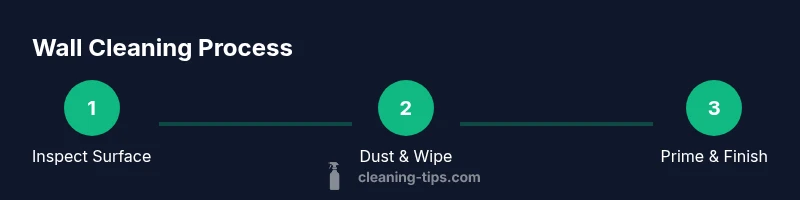
Do you need to clean walls before painting? In most cases, yes, you should wipe away dust and grime to ensure primer and paint stick evenly. The level of cleaning depends on wall condition and room use: light cleaning for average dirt, deeper cleaning or stain removal for kitchens, bathrooms, or nicotine smoke. Proper prep minimizes peeling and touch-ups later.
Why wall prep matters before painting
A fresh coat of paint looks best when the surface beneath is clean, smooth, and receptive to the primer. The question do you need to clean walls before painting? is one of the first decisions DIY painters face. Thorough wall prep improves adhesion, reduces the risk of peeling, and minimizes the number of maintenance coats over time. According to Cleaning Tips, small amounts of surface dust or oils can interfere with how evenly pigment bonds to the substrate, especially on high-traffic walls or rooms with cooking fumes. Start with a quick inspection: look for obvious grime, fingerprints, film, or water stains that could signal deeper issues. If you skip this step, you may notice blotchy color, uneven sheen, or patchy coverage even after multiple coats.
Tools & Materials
- Microfiber cleaning cloths(At least 2-3 for different surfaces; avoid lint fibers on flat paints)
- Buckets(One for cleaning solution, one for rinse water)
- Sponges(Non-abrasive; use for scrubbing without damaging surfaces)
- Mild detergent or soap(General-purpose cleaner; avoid harsh solvents on delicate finishes)
- TSP substitute or degreasing cleaner(Use as needed for heavy grime; follow label directions)
- Goggles/eye protection(Protect eyes from splashes when using cleaners)
- Gloves(Protect skin from cleaners and solvents)
- Painter’s tape(Protect edges and trim from primer/paint splatters)
- Drop cloths(Protect floors and furniture from splashes)
- Putty knife(In case of minor repairs or removing peeling paint)
- Putty/patching compound(Fill small dents or cracks before painting)
- Sanding block(Smooth repairs and feather edges before priming)
- Primer(Choose appropriate type for surface; use on repaired areas)
- Ventilation mask/respirator(For use with strong cleaners or in poorly ventilated spaces)
- Ladder or step stool(Access high walls safely)
Steps
Estimated time: 60-120 minutes
- 1
Clear the area and protect surfaces
Move furniture away from the walls and cover floors with drop cloths. Remove or tape off outlets, switches, and any fixtures near the work area. A clean, protected workspace prevents damage to belongings and keeps your prep tidy.
Tip: Work from the center of the room outward to minimize recontamination of cleaned areas. - 2
Dust the walls from top to bottom
Lightly dust or vacuum ceilings and upper corners with a soft brush or microfiber cloth before damp cleaning. This removes loose particles that could smear when you apply cleaners.
Tip: Dust first; you'll avoid pushing dirt into fresh cleaner later. - 3
Wipe with a damp cloth for light grime
Dampen a microfiber cloth with clean water and wipe walls in sections from top to bottom. This removes loose grime without saturating the surface.
Tip: Use a gentle touch; pressing hard can damage paint or plaster. - 4
Tackle grease and oil with mild cleaner
For kitchen areas or greasy surfaces, mix a mild detergent with warm water or use a TSP substitute. Wipe, rinse, and repeat as needed to remove oily residues.
Tip: Rinse with a clean damp cloth to avoid soap residue that affects primer adhesion. - 5
Rinse to remove soap residue
Go over each wiped section with a clean damp cloth to remove any cleaner residue. Soap left on walls can impact primer bonding.
Tip: Ensure you don’t soak the wall; use just enough moisture to wipe clean. - 6
Address cracks and holes with patching compound
Use putty or spackling to fill small cracks or holes. Let dry completely according to product directions.
Tip: Feather the edges slightly beyond the repair so it blends with the surrounding surface. - 7
Sand repairs smooth
Once repairs are dry, lightly sand with a fine-grit block to create a smooth transition and remove any ridges.
Tip: Wipe away dust after sanding before priming. - 8
Spot-clean stubborn marks
Tackle stubborn marks with a targeted cleaner on a small cloth. Test on an inconspicuous area first to prevent damage.
Tip: Never scrub vigorously on glossy finishes; you may dull them. - 9
Apply primer to repaired areas
Prime repaired patches and high-porosity surfaces with an appropriate primer to ensure even paint absorption.
Tip: A stain-blocking primer helps covers repairs and prevents blotchiness. - 10
Final inspection and readiness check
Inspect the walls for uniform dryness, smoothness, and absence of soap residue. If satisfied, you’re ready to paint.
Tip: If moisture is present, wait longer before painting.
Questions & Answers
Do I need to remove wallpaper before cleaning?
If wallpaper is intact, you can clean around edges and seams. If it’s peeling, consider removing or stabilizing it before painting to ensure a smooth finish.
If your wallpaper is loose, remove or secure it before painting to avoid tearing and ensure even primer.
Can I use vinegar to clean walls?
Vinegar is useful for light grime, but test first on a hidden area to avoid any staining. It’s not a heavy-duty cleaner, so for grease or smoke, use a degreaser or TSP substitute.
Vinegar can help with light grime, but for tough stains you’ll want a stronger cleaner.
Is TSP necessary for modern walls?
No, not always. Many walls can be cleaned with a mild detergent and water. Use a TSP substitute or degreaser only for stubborn grime or grease.
TSP isn’t always needed; for most homes a mild cleaner works fine.
How long does drying take after cleaning?
Drying times vary by temperature and humidity, typically 1-4 hours. If the room is humid, expect longer drying before priming.
Drying usually takes 1-4 hours, but in damp spaces it may take longer.
Should I prime after cleaning?
Priming is recommended after cleaning if you repaired surfaces or if the wall is porous. Primer improves adhesion and even paint appearance.
Yes, primer helps if you made repairs or have porous surfaces.
What about mold or mildew?
If you find mold, use a mildew cleaner and fix moisture sources. Large areas or recurring mold should be handled by professionals.
Mold needs proper cleaners and moisture control, possibly professional help for big areas.
Watch Video
The Essentials
- Prepare space and protect surfaces.
- Clean thoroughly for best adhesion.
- Prime after cleaning when repairs were made.
- Dry walls completely before painting.
- Avoid dangerous mixes and follow safety rules.