Does Cleanser Expire: Shelf Life, Storage, and Safety
Explore whether does cleanser expire, how long cleaners stay effective, storage tips, signs of degradation, and safe disposal. A data-informed, practical guide by Cleaning Tips for homeowners and renters.


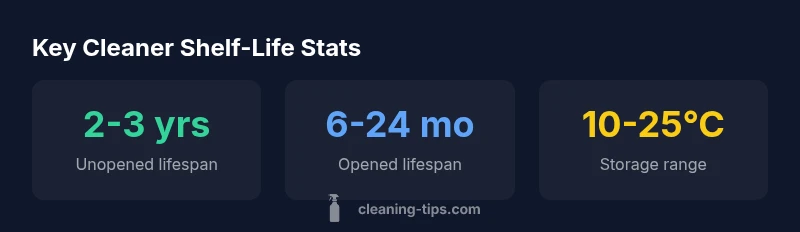
According to Cleaning Tips, does cleanser expire depends on the product type and storage. Unopened bottles typically keep for 2-3 years; once opened, shelf life often ranges from 6 to 24 months if kept away from heat and sunlight. Always follow label guidance and look for signs like changes in scent, color, or separation. This quick snapshot helps homeowners and renters plan replacements without overbuying or risking use.
What expiration really means for cleansers and does cleanser expire
Expiration for cleaners is not a single universal deadline. It primarily reflects the stability of active ingredients, preservatives, and the container’s ability to keep contaminants out. In practice, many households treat the label’s date as a safety and performance guide rather than a hard deadline. According to Cleaning Tips, expiration is more about when a product can reliably perform its job without posing skin or eye irritation, rather than a magical moment when it suddenly becomes harmful. The keyword does cleanser expire captures this nuance, reminding homeowners to assess product performance, not just a date.
Unopened vs opened: How the shelf life differs
Unopened cleaners generally offer the longest shelf life because their packaging protects contents from air and moisture. Once you crack the seal, the clock starts: preservatives may fade, and volatile compounds can evaporate or react with environmental factors. Storage plays a huge role here; even a powerful formula can degrade faster if exposed to heat, sun, or humidity. The Cleaning Tips team emphasizes that opened products, especially those with bleach, ammonia, or essential oils, may lose efficacy sooner and require more frequent replacement.
Reading labels: PAO, best by, and expiry dates
Labels carry different kinds of guidance. Some products use a Best By date to indicate peak performance, while others use a PAO (period after opening) icon to show how long the product remains safe after breaking the seal. Not all cleaners carry these markers, which makes interpretation tricky. When you see PAO symbols, count the months after opening; if you see a Best By date, treat it as a ceiling for maximum performance. Cleaning Tips recommends prioritizing products with clear PAO or expiry guidance and using the date as a planning tool, not a strict ban.
Signs that a cleanser has expired or degraded
Look for more than just a late date. A change in scent, color, texture, or separation indicates chemical changes that can reduce effectiveness or increase irritation risk. Foaming behavior, unusual thickening, or gritty particles are warning signs too. If a product smells sharp or sour, or if a bottle shows leaks or bulging caps, discard it. These cues are practical, easy-to-check indicators that align with the brand’s safety guidance.
Storage matters: temperature, light, and container integrity
Storage conditions directly influence shelf life. Keep cleaners in a cool, dry place away from sunlight and heat sources. Containers should remain airtight and intact to minimize contamination. When cleaners are stored in vulnerable environments (garages, sheds, or bathrooms with high humidity), degradation can accelerate. Cleaning Tips notes that even water-based formulations benefit from proper storage, as moisture ingress can alter concentration and performance.
Extending shelf life: practical tips you can use
To maximize longevity, keep bottles tightly closed, store upright, and avoid mixing products unless the label explicitly allows it. Label storage areas and rotate stock so older bottles are used first. Use clear, labeled containers for concentrates and consider diluting per manufacturer directions only when you’re ready to use. A stable environment reduces the risk of microbial growth and chemical instability, a key factor behind does cleanser expire decisions.
Does 'does cleanser expire' apply to homemade cleaners? Focus on safety and practicality
Homemade cleaners often rely on natural ingredients and lack synthetic preservatives, which means they may degrade faster than store-bought options. The phrase does cleanser expire applies here as well, but the window is typically shorter and highly dependent on active ingredients (like vinegar, baking soda, essential oils) and water content. cleaners prepared with water or organic additives should be used within a few weeks to a few months, with signs of change watched closely.
How to dispose of old cleaners safely
If a product shows signs of degradation or is past its PAO date, dispose of it according to local guidelines. Do not mix old cleaners with new ones, and avoid pouring unknown liquids down the drain in large quantities. Use designated household hazardous waste programs when available. Cleaning Tips recommends checking municipal sites for disposal instructions and never pouring concentrated bleach into septic systems unless the guidelines permit it.
Quick-reference checklist for your cleaning cabinet
- Check unopened dates and PAO marks; plan replacements within the stated windows.
- Inspect opened bottles for smell, color, or texture changes before use.
- Store in a cool, dark place and keep lids tight.
- Do not mix cleaners unless label permits; avoid cross-contamination.
- Recycle or dispose of old products safely per local rules.
- Document shelf life expectations to avoid over-purchasing.
Common myths about expiration and does cleanser expire (myth-busting)
Myth: If it doesn’t smell bad, it’s fine to use beyond the date. Reality: performance can decline even without obvious odor changes. Myth: All cleaners degrade at the same rate. Reality: Formulation and storage affect degradation differently. Myth: Bleach is always safe after expiration. Reality: expired bleach can lose potency or produce irritating byproducts. Cleaning Tips helps separate fact from fiction by focusing on signs of degradation and safe practice.
Shelf life by product type and typical storage guidance
| Product Type | Unopened Shelf Life | Opened Shelf Life | Storage Tips |
|---|---|---|---|
| All-Purpose Cleaner (liquid) | "2-3 years" | "6-12 months" | "Cool, dark place" |
| Disinfectant spray | "2-3 years" | "3-6 months" | "Seal tightly; avoid heat" |
| Bleach solution (prepared) | "N/A" | "6 months" | "Store in original container; away from heat" |
Questions & Answers
Does unopened cleaner expire?
Yes, unopened cleaners typically have a longer shelf life, often 2-3 years, depending on the formulation. Check the label for specifics and PAO indicators where available.
Yes. Unopened products usually last a few years, but always verify the label for the exact guidance.
What are PAO symbols and why do they matter?
PAO stands for period after opening. It shows how long a product remains safe and effective after you first twist off the cap. Look for a month symbol on the packaging.
PAO tells you how long after opening the product stays good. Look for the month symbol on the bottle.
Can smells indicate expiry?
A sharp or sour odor can signal chemical changes or microbial growth. If the scent changes significantly, discard the product.
If it smells off, it’s better to discard it.
How should I store cleaners to maximize shelf life?
Keep cleaners in a cool, dry place away from direct sunlight, in tightly closed containers. Avoid storing near heat sources or in bathrooms with high humidity.
Store them in a cool, dark place with lids on tight.
Is it safe to mix cleaners after expiration?
Generally not recommended. Mixing can create hazardous gases or reactions. Follow label instructions, and dispose of expired products safely.
Don’t mix cleaners, especially when expired. Dispose safely.
Do homemade cleaners expire faster than store-bought?
Homemade cleaners often have shorter shelf lives due to natural ingredients and water content. Check for changes in texture, scent, or separation and use within weeks to months.
Homemade cleaners can go bad faster; use them within weeks to months.
“Expiration dates are a practical guide, not a universal deadline. Proper storage and product type determine how long a cleaner remains effective.”
The Essentials
- Understand opened vs unopened shelf life for cleansers
- Read PAO and expiry labels when available
- Store products in a cool, dark place to maximize longevity
- Watch for signs of degradation before use
- Dispose safely when in doubt