How to Clean Green and Ship Eco-Friendly to Texas Safely
Learn practical, eco-friendly cleaning practices and secure shipping to Texas. This Cleaning Tips guide covers green products, packaging, labeling, and transport so you can move goods with less waste and more confidence.


Learn how to clean green and ship eco-friendly to Texas with confidence. This step-by-step guide covers choosing non-toxic cleaners, sustainable packaging, and compliant shipping practices. It’s ideal for homeowners, renters, and small businesses aiming to minimize waste while staying compliant with Texas regulations. Whether you’re shipping locally or across state lines, apply these eco-conscious methods.
Why green cleaning matters for shipping to Texas
According to Cleaning Tips, adopting green cleaning practices reduces chemical exposure, supports indoor air quality, and aligns with eco-conscious consumer expectations. If you’re asking how can clean green ship to texas, the answer lies in selecting non-toxic cleaners, using recyclable packaging, and documenting ingredients for each shipment. When products cross state lines into Texas, buyers increasingly demand transparent formulations and responsible handling. Green cleaning isn't just about the product—it's about the entire workflow: procurement, preparation, packaging, and transit. By prioritizing environmental safety, you protect households and workplaces from harmful residues, while also cutting waste through refillable bottles and concentrated formulas. This approach creates a reliable baseline for any organization shipping to Texas and beyond, ensuring compliance and safer outcomes for staff and recipients.
Key principles of eco-friendly cleaning products
Eco-friendly cleaners rely on low-toxicity, biodegradable ingredients and recyclable packaging. Key principles include choosing biosoluble formulas, avoiding high-VOC compositions, and favoring products with third-party certifications where possible. Cleaning Tips notes that you should prioritize items that are effective at low doses, which reduces unnecessary chemical exposure and waste. When you adopt these principles, you’ll notice improved air quality in homes and workplaces that receive your shipments. This section expands on why plant-based solvents, mineral substitutes, and simple surfactants can deliver reliable cleaning power with a smaller environmental footprint. By aligning your product selection with these standards, you build trust with Texas customers and distribution partners.
Choosing greener cleaners and ingredients
When selecting cleaners for shipping to Texas, look for Safer Choice, green seal, or other credible certifications that indicate lower risk to humans and the environment. Avoid formulations with unknown or borderline hazardous ingredients, and verify ingredient lists online or on the label. Consider concentrated cleaners that require dilution; this reduces packaging and transport weight. For textiles and surfaces, prefer water-based solutions that minimize VOC emissions during use and storage. Always test a small area first to avoid material damage. By prioritizing safer ingredients, you simplify compliance with environmental regulations while delivering effective results to customers in Texas.
Packaging and shipping considerations for Texas
Packaging is a major lever for eco-conscious shipping. Use recycled corrugated boxes and paper-based cushioning instead of foam peanuts. Choose biodegradable or recyclable packing materials and seal with compostable tape where possible. Label packages clearly with contents and handling instructions, and separate incompatible products to prevent chemical reactions in transit. For Texas shipments, ensure that any mixed loads conform to basic hazmat rules (no prohibited mixtures) and that all ingredients are listed on manifests or safety data sheets when required. This approach minimizes waste, reduces transport weight, and supports a smoother customs and receiving process in Texas.
Compliance and safety for Texas shipments
Compliance begins with understanding general safety guidelines and then aligning with Texas-specific expectations. Keep up-to-date SDS sheets and product labels. Train staff or partners on safe handling, storage, and spill response, and maintain copies of essential documentation for each shipment. Texas buyers may require traceability for eco-friendly products, so maintain batch numbers and supplier information. By preemptively addressing safety and regulatory concerns, you reduce the risk of delays and improve confidence among retailers, distributors, and households receiving your green-cleaning shipments into Texas.
Reducing waste and emissions during transport
Smart shipping choices can dramatically cut emissions and waste. Consolidate shipments when possible, select carriers with strong environmental programs, and prefer load optimization tools to minimize miles traveled. Refill and reuse packaging where feasible, and opt for carton materials that are curbside recyclable. Encourage customers to recycle packaging at delivery and provide clear disposal instructions for cleaning products. Adopting these practices not only supports the planet but also strengthens your brand’s reputation for responsible, eco-friendly operations in Texas and beyond.
Practical checklist for green cleaning and shipping to Texas
- Select non-toxic, biodegradable cleaners with transparent ingredient lists.
- Use recycled or recyclable packaging and paper-based cushioning.
- Label shipments clearly and keep SDS on hand when required.
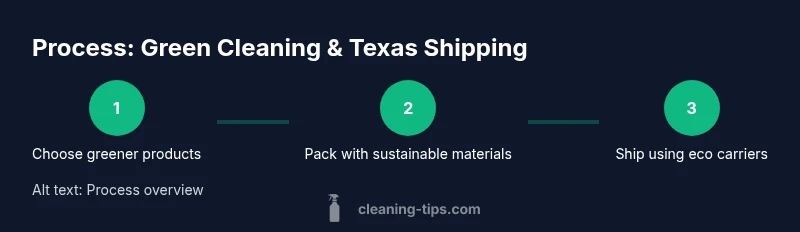
- Choose eco-friendly carriers and consolidate loads to cut emissions.
- Document all ingredients and keep records for regulatory review.
- Educate customers about safe disposal and recycling options.
Case study: a small business shipping eco-cleaners to Texas
A small, family-owned cleaner sourced only non-toxic, biodegradable formulas and adopted 100% recyclable packaging. They shipped to multiple Texas locations, using a local eco-carrier with a carbon-neutral program. The company tracked ingredient lists, provided SDS, and offered customers recycling guidance. Within a year, their Texas orders grew by a meaningful margin, thanks to transparent labeling, reliable packaging, and an emphasis on safety and environmental responsibility. This case demonstrates that eco-friendly cleaning products can scale in a compliant, Texas-focused supply chain.
Tools & Materials
- Reusable shipping boxes (sturdy, appropriately sized)(Double-walled for heavier loads)
- Recycled paper cushioning or biodegradable packing materials(Avoid foam peanuts where possible)
- Biodegradable packing tape(Water-activated or plant-based tape preferred)
- Labels and marker for contents and handling(Include hazard and route information if applicable)
- SDS sheets and ingredient lists(Keep with shipment documentation)
- Scale or weight-compliant measuring device(Helpful for accurate packaging)
- diluted cleaner spray bottles for testing(Use only if compatible with materials)
Steps
Estimated time: 2-3 hours
- 1
Assess eco-friendly credentials
Review each cleaner’s ingredients for low toxicity and biodegradability. Verify certifications such as third-party green seals and ensure formulas align with your Texas shipping goals. This step establishes a safe baseline before you move to packing.
Tip: Check labels for VOC content and ensure compatibility with your packaging materials. - 2
Verify packaging and labeling
Choose recyclable boxes and paper padding; avoid single-use plastics where possible. Prepare clear handling and contents labels, including any hazard notices. Confirm that all packages will be labeled in a way that meets both federal and Texas expectations.
Tip: Use a waterproof marker or printed labels to keep information legible during transit. - 3
Prepare documentation for Texas requirements
Assemble SDS sheets, ingredient lists, and supplier information for each product. Store documents with the shipment so recipients can verify safety data. This reduces delays at receiving points and supports compliance.
Tip: Digitize documents for quick access if a shipment is inspected or queried. - 4
Pack securely with sustainable materials
Fill voids with paper-based padding. Seal boxes firmly and avoid overpacking. Place fragile items in separate inner packaging if needed. Ensure products won’t shift or leak during transport.
Tip: Test a light shake to confirm nothing rattles inside the box. - 5
Seal and label for Texas compliance
Apply tamper-evident seals if appropriate and attach all necessary hazard and handling information. Verify that labels reflect the exact contents and any special storage directions. Prepare a packing list for the Texas recipient.
Tip: Keep a copy of the packing list inside and outside the box for quick reference. - 6
Arrange shipment with eco-conscious carriers
Choose carriers with environmental programs and options for route optimization. If possible, consolidate shipments to reduce total emissions. Share your eco-credentials with the recipient to reinforce trust.
Tip: Ask about carbon offset options and preferred transit routes.
Questions & Answers
What counts as green cleaning for shipping?
Green cleaning uses products with low or no VOCs, biodegradable ingredients, and minimal synthetic additives. Look for certifications like Safer Choice or Green Seal to validate claims. Always review the ingredient list and safety data sheets when selecting products for shipping.
Green cleaning means low-toxicity, biodegradable products with credible certifications. Check safety data sheets for details before shipping.
Are there Texas-specific rules for shipping cleaning products?
Texas follows general federal shipping guidelines for cleaners; verify any state-level advisories with Texas’s environmental agencies and your carrier. Always maintain documentation on product ingredients and safety data sheets in case of inspection.
Texas requires standard safety documentation; keep SDS and ingredient lists handy in case of inspection.
What packaging materials are best for eco shipping?
Use recycled or recyclable boxes with paper-based cushioning. Avoid foam or non-recyclables where possible. Clear labeling and tidy packing reduce waste and improve handling during Texas transit.
Choose recyclable packaging and avoid foam padding to stay eco-friendly.
How can I ensure safety when shipping cleaners?
Follow label directions exactly, store products securely, and keep hazardous substances out of reach of children. Include a safety data sheet with the shipment and provide contact information for spill guidance.
Follow the label, store safely, and include SDS with contact details.
Where can I learn more about safe cleaning products?
Refer to the EPA Safer Choice program and related government resources for guidance on safer formulations. Cross-check product claims with official databases and avoid vague marketing phrases.
Check EPA Safer Choice and official resources for safer product guidance.
Watch Video
The Essentials
- Choose non-toxic cleaners with clear ingredients.
- Pack with recycled or biodegradable materials.
- Document safety data sheets and ingredient lists.
- Use eco-friendly carriers and consolidate loads.
- Educate customers on disposal and recycling