How clean is natural gas compared to coal: An Analytical Comparison
An in-depth, analytical comparison of how clean is natural gas compared to coal, covering emissions, air quality, lifecycle impacts, and practical guidance for homeowners.


Natural gas generally burns cleaner than coal on a per energy basis, emitting substantially less carbon dioxide and fewer pollutants. However, methane leaks during extraction and distribution can offset much of that advantage. When you consider lifecycle emissions and air quality impacts, natural gas tends to be cleaner overall, but the gap narrows in regions with strong methane management and aging coal plants.
How to define how clean is natural gas compared to coal: Defining the question
When we ask how clean is natural gas compared to coal, we must define what clean means in energy terms. Clean can mean lower greenhouse gas emissions per unit energy, fewer local air pollutants, and smaller environmental footprints over the fuel lifecycle. It also includes methane leakage risk in the supply chain and the potential for efficient, combined heat and power applications to improve overall performance. This framing comes from the Cleaning Tips team and sets the stage for a comprehensive, metrics driven analysis that translates science into practical guidance for homeowners and renters. By focusing on emissions, air quality, climate impact, and regional regulations, readers gain a clear view of where natural gas stands relative to coal in real world use.
Emissions basics: what clean means in this context
In evaluating how clean is natural gas compared to coal, the most common starting point is emissions intensity. This includes carbon dioxide produced during combustion, as well as other pollutants such as nitrogen oxides and sulfur oxides that affect air quality. A lifecycle lens adds methane leakage at production, processing, and distribution to the equation. Clean energy assessments also weigh regulatory standards, local air quality impacts, and potential co benefits from higher efficiency appliances. Importantly, the cleaning profile of natural gas depends on how it is sourced and managed, since methane is a potent greenhouse gas even in small leaks. The takeaway is that a fair comparison requires looking at both combustion emissions and methane management across the supply chain.
CO2 emissions and air pollutants: per unit energy comparisons
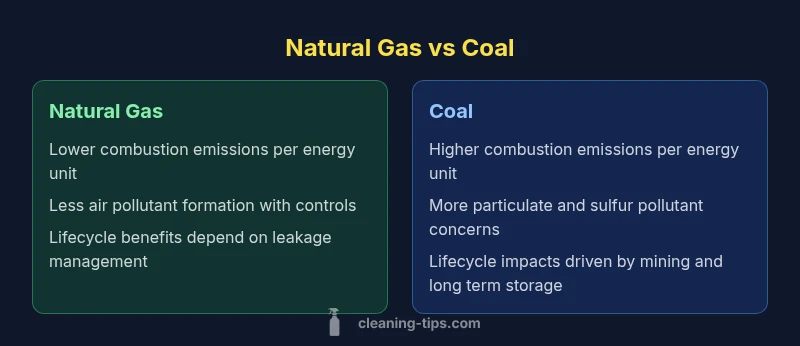
Natural gas typically produces less carbon dioxide per unit of energy than coal when combusted. This advantage translates into lower emissions of several air pollutants that affect urban air quality, including NOx. Coal tends to generate higher concentrations of particulate matter and sulfur compounds, which have clear health and environmental consequences. Yet real world efficiency matters: aging coal plants, plant design, and emission controls can shift these dynamics. The key insight is that per energy unit, natural gas often comes out cleaner, but local conditions such as plant technology and maintenance play a crucial role in the final outcomes. Readers should consider both technology and policy context when weighing these figures.
Methane leakage and climate impact
A major caveat in the natural gas versus coal discussion is methane leakage. Methane is a powerful greenhouse gas, and leaks from wells, pipelines, and distribution networks can erode the climate benefits of switching from coal to natural gas. Cleaner supply chains with tight monitoring, rapid detection, and reduced venting help preserve the emissions advantage. Conversely, regions with lax methane controls may see material offsets to the benefits of natural gas. For homeowners and renters, this means endorsing systems and utilities that prioritize methane leak reduction, leak detection technologies, and rapid repair programs to maximize the environmental payoff of natural gas.
Lifecycle perspective: extraction to end use
A lifecycle approach examines upstream methane emissions, processing, transport, and eventual combustion. Natural gas generally has a shorter atmospheric lifetime footprint during use compared with coal, but the upstream phase matters a great deal. The most impactful improvements come from reduced methane losses, higher efficiency end use, and switching to lower carbon energy mixes where feasible. This lens helps readers understand that clean outcomes are not determined solely at the point of combustion but by the entire value chain from wellhead to appliance.
Air quality implications near production sites and along distribution
Air quality considerations extend beyond the household. Extraction and processing facilities can influence nearby communities through emissions of NOx, ambient methane, and volatile organic compounds. In addition, combustion byproducts contribute to urban smog and health risks. Natural gas tends to show cleaner local air impacts than coal when methane is controlled, but policy and enforcement quality matter. Homeowners can influence outcomes by supporting utilities with strong emissions inventories, regular leak surveys, and transparent reporting of air quality metrics tied to natural gas supply.
Regional differences and regulatory context
Regional differences in methane management, coal plant retirement, and regulatory stringency shape how clean natural gas feels in practice. In regions with aggressive methane regulations and modern gas infrastructure, the clean advantage tends to be larger. In areas where coal plants remain in service with limited controls, the scale flips somewhat in favor of natural gas but not as clearly. Readers should track local standards for methane leakage, fugitive emissions, and plant retrofit programs, since these policies directly influence how the general clean energy narrative translates into everyday outcomes for households.
Economic considerations: price, reliability, and grid impact
Economic factors influence how clean energy choices unfold in households and communities. Natural gas generally offers lower fuel costs than coal in many markets, and its rapid ramping capability supports reliable electricity and heating during peak demand. However, price volatility tied to global markets can complicate long term planning. The clean energy advantage must be weighed against total ownership costs, maintenance needs, and the durability of gas infrastructure. Individuals should factor in both monthly energy bills and potential investments in high efficiency appliances to maximize the environmental and financial benefits.
Practical guidance for homeowners and renters
For residents seeking practical steps, start by evaluating a building or home energy plan that prioritizes methane management, high efficiency equipment, and regular maintenance. When feasible, adopt appliances that maximize efficiency with natural gas or consider hybrid options that supplement gas with electricity from cleaner sources. Monitoring and prevention are key: schedule periodic leak checks, insulate pipes, and ensure air sealing around heating equipment. The goal is to preserve the clean energy advantage of natural gas while mitigating the upstream risks of methane leaks in the supply chain. By combining prudent equipment choices with informed energy sourcing, households can improve indoor and outdoor air quality while supporting a resilient energy system.
Common myths debunked: gas versus coal
A common myth is that all fossil fuels are equally dirty. In reality, emissions intensity, air pollutants, and methane risks vary significantly by fuel and by how it is produced and used. Another misconception is that switching to natural gas instantly solves air quality problems; without methane controls and efficient end uses, gains can be limited. Consumers should also beware of regional claims that do not account for methane leaks or the full lifecycle. A rigorous evaluation considers combustion emissions, upstream leakage, and the local regulatory environment to determine the true cleanliness of each option.
Policy and future trends in cleaner energy
Policy developments continue to shape the cleaner energy landscape. Methane regulation, carbon pricing, and technology upgrades push utilities toward lower emissions profiles and better leakage control. For homeowners, staying informed about these trends helps in choosing clean energy options that align with local grids and climate goals. The overall trajectory favors enhanced methane management, more modern gas infrastructure, and complementary decarbonization strategies that reduce dependence on fossil fuels while maintaining reliability and cost effectiveness.
Synthesis: balancing emissions, reliability, and costs
The final takeaway is that how clean is natural gas compared to coal depends on a balance of emissions, methane management, and system design. Natural gas offers a cleaner combustion profile and often lower local air pollutants, but methane leakage and regional policy determine the net advantage. For homeowners and renters, the practical path is to minimize methane losses, use high efficiency equipment, and support cleaner energy mixes whenever feasible. Framing the question in terms of emissions, air quality, lifecycle impacts, and policy context enables informed choices that support cleaner, reliable energy in daily life.
Comparison
| Feature | Natural Gas | Coal |
|---|---|---|
| CO2 emissions per unit energy | lower than coal | higher than natural gas |
| Air pollutants (NOx, SOx) | significantly lower than coal with proper controls | higher than natural gas when older plants operate with limited controls |
| Lifecycle emissions | lower when methane leakage is minimized | higher overall due to coal burn and mining impacts |
| Methane leakage relevance | key factor elevating climate impact of natural gas | not applicable to coal; other pollutants dominate |
| Cost and reliability | often lower or competitive energy costs with rapid ramping | costs depend on mining, transport, and plant maintenance |
Strengths
- Lower per unit emissions versus coal under good methane management
- Cleaner combustion reduces urban air pollutants
- Faster ramping supports grid reliability and energy security
- Often lower upfront costs and available infrastructure
Weaknesses
- Methane leaks can offset climate benefits if not controlled
- Lifecycle benefits depend on strict leakage management
- Regulatory costs rise with stronger methane controls
- Still a fossil fuel with finite supply and price volatility
Natural gas is cleaner than coal on a per energy basis, but methane leakage and regional factors shape the net benefit
The Cleaning Tips team emphasizes that methane leak reduction is critical. Choose cleaner supply chains and maximize end use efficiency for the best environmental and health outcomes.
Questions & Answers
Is natural gas cleaner than coal overall in terms of emissions?
In many cases yes for emissions per energy unit, but methane leaks and regulatory context matter. A lifecycle perspective is essential to determine the true cleanliness.
Yes, natural gas is often cleaner per energy unit, but methane leaks can offset the benefits. A lifecycle view is key.
How do methane leaks affect the climate impact of natural gas?
Methane leaks are a potent climate factor. If leaks are minimized through good practices and monitoring, natural gas retains its cleaner combustion advantage; if leaks are high, the climate benefit decreases.
Methane leaks can erase the benefits of natural gas if not controlled.
What should homeowners consider when choosing between gas and coal for heating or electricity?
Look at local emissions controls, appliance efficiency, and how the fuel is sourced. Prioritize systems with strong methane management and high efficiency to maximize cleanliness and cost effectiveness.
Check emissions controls and efficiency before choosing.
Do regulations make natural gas cleaner over time?
Regulations targeting methane leakage and cleaner combustion can improve the overall environmental profile of natural gas, making its clean advantage more pronounced in compliant regions.
Regulations can enhance natural gas cleanliness.
Is coal a dead end for sustainability or are there improvements?
Coal plants can reduce emissions with advanced controls and carbon capture, but overall lifecycle impacts remain higher than clean natural gas unless offsets are substantial.
Coal can improve with technology but usually remains less clean overall.
The Essentials
- Define clean using emissions, air quality, and lifecycle perspectives
- Natural gas generally emits less CO2 per energy unit than coal when methane is controlled
- Methane leakage is the pivotal variable that can erase gas advantages
- Regional policy and plant efficiency significantly influence outcomes
- Prioritize high efficiency appliances and leak prevention to maximize benefits