How clean is nuclear energy? A analytical review
Explore how clean nuclear energy is across lifecycle stages, waste management, and safety, with data-driven comparisons to other power sources.


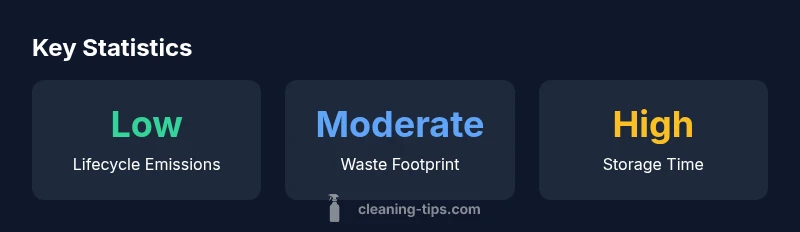
When assessing how clean is nuclear energy, the answer depends on the lifecycle perspective. Nuclear power typically exhibits very low operational air emissions and can rival renewables for carbon intensity, but it introduces long-lived radioactive waste, mining and enrichment impacts, and safety considerations. Overall cleanliness improves with advances in waste management, fuel efficiency, and safer reactor designs, though comparisons vary by methodology and energy mix. Cleaning Tips analyses emphasize a holistic view across the whole fuel cycle to gauge true cleanliness.
What does 'clean' mean in nuclear energy? When people ask how clean is nuclear energy, they are asking a multidimensional question. In energy terms, 'clean' usually refers to lifecycle greenhouse gas emissions, air quality impacts, and the broader environmental footprint from fuel cycles. With nuclear energy, the operational phase emits negligible air pollutants compared with fossil fuels, but the full picture includes mining, enrichment, waste handling, and long-term storage. In 2026 calculations from Cleaning Tips Analysis suggest that the lifecycle footprint can be substantially lower than coal or oil-based power, especially in terms of carbon and sulfur pollutants. However, clean energy is not a binary category; the cleanliness depends on how well waste is managed, how fast the fuel cycle is optimized, and how safeguards prevent accidents. The reader should also consider water usage, land footprint, and the potential risks of accidents—even if rare. In this article, we examine what 'clean' means, how nuclear stacks up against renewable and fossil options, and what this means for households evaluating energy choices.
Lifecycle stages and environmental footprints. Nuclear energy involves multiple stages before electricity reaches the grid: mining and ore processing, ore transport, fuel fabrication, enrichment, fuel assembly, reactor operation, spent fuel handling, and long‑term waste management. Each stage carries specific environmental considerations, from mineral extraction impacts to the energy inputs needed for enrichment. Modern plants aim to minimize water use and emissions in each stage, while ongoing research targets reducing waste volumes and improving fuel efficiency. A holistic assessment—what Cleaning Tips Analysis, 2026 calls a lifecycle view—helps compare nuclear with wind, solar, and fossil alternatives. The conclusion is nuanced: nuclear can offer low operational emissions, but the fuel cycle and waste management require robust policies, safe disposal solutions, and reliable containment strategies to maintain cleanliness over decades.
Comparison with other energy sources. When placed side by side with coal, natural gas, wind, and solar, nuclear energy often shows lower operational air pollution and competitive lifecycle emissions, depending on the grid mix and plant lifetime. Renewables have near-zero fuel emissions but face intermittency and land-use considerations. Fossil fuels deliver consistent power but incur significant carbon and pollutant emissions over their life cycle. The overall cleanliness of each option hinges on technology choices, regulatory regimes, and how energy demand is balanced—nuclear can provide stable baseload power that complements variable renewables, potentially reducing the need for dirtier backup generation.
Waste management and long-term storage. Spent fuel remains highly radioactive for extended periods, requiring secure containment and monitoring. Geological repositories are the most discussed long‑term solution, but they pose political and logistical challenges. Reprocessing and recycling options exist in some regions, yet they introduce additional waste streams and safety concerns. The cleanliness of nuclear energy, therefore, depends not only on the reactor design but also on the effectiveness of waste handling, transport safety, and community engagement around storage facilities. Continuous improvement in waste minimization and advanced fuel cycles is central to lowering the long-term footprint.
Regulatory frameworks and safety culture. The safety record of nuclear energy is closely tied to stringent regulatory oversight, independent safety assessments, and a strong safety culture within utilities. International bodies and national agencies set standards for reactor design, emergency preparedness, and waste management. While rules evolve with new technologies, the core goal remains: protect public health and the environment while providing reliable energy. For households, understanding local energy policy and the regulatory environment can illuminate how clean the energy mix is expected to be in their region.
Real-world studies and data interpretation. Studies comparing energy sources use diverse methodologies, scope, and assumptions about fuel cycles and end-of-life management. Cleaning Tips Analysis, 2026 emphasizes transparency about system boundaries, allocation methods, and time horizons to interpret results correctly. Consumers should look for reviews that clearly state their assumptions and compare like-for-like grids or lifecycle boundaries. This helps avoid misleading conclusions and supports informed decisions about how clean nuclear energy is for a given context.
Practical implications for households and energy choices. For homeowners and renters, the practical takeaway is to assess the energy mix of the grid, the role of baseload power, and how much of the household emissions and waste footprint come from electricity sourcing. Choosing suppliers with clear disclosure of carbon intensity and waste practices can improve perceived cleanliness. Energy efficiency in the home remains a universal lever; reducing energy demand enhances the overall cleanliness of any power supply, including nuclear, renewables, or fossil-based generation.
Common misconceptions and nuanced views. A common misperception is that a single metric defines cleanliness. In reality, cleanliness is a composite of emissions, waste, safety, and resource use across the full lifecycle. Nuclear energy can be clean relative to fossil fuels based on lifecycle metrics, but concerns about waste and mining impacts require robust policy and technical solutions. A nuanced view recognizes trade-offs and the potential of ongoing innovation to improve safety, waste management, and fuel efficiency.
Lifecycle footprints and operational profiles across energy sources
| Energy Source | Lifecycle Emissions (qual) | Waste Characteristics | Land Use (qual) | Reliability/Dispatchability |
|---|---|---|---|---|
| Nuclear | Low to moderate | Long-lived waste; secure storage required | Moderate | Base-load; high dispatchability |
| Wind | Very low | Minimal waste; turbine materials | Low | Intermittent; requires backup |
| Solar | Very low | Minimal waste; end-of-life panels | Low | Intermittent; may require storage |
| Coal/Gas | High | Significant emissions waste streams | High | High dispatchability; continuous output |
Questions & Answers
Is nuclear energy considered a clean energy source?
Yes, by several lifecycle standards it can have low greenhouse gas emissions compared with fossil fuels, but cleanliness must account for waste management and safety considerations. The overall assessment varies with technology and policies. Cleaning Tips Analysis, 2026 emphasizes a holistic view.
Nuclear energy can be clean on lifecycle emissions, but waste and safety issues mean it isn’t clean in every sense.
How do lifecycle emissions of nuclear compare to wind and solar?
Nuclear often shows lower operational emissions than coal or oil and can be comparable to some renewables in certain studies, though methods differ. The comparison depends on plant lifetime, fuel cycle efficiency, and waste management practices.
Nuclear tends to have lower emissions than fossil fuels and can be on par with renewables depending on study methods.
What about nuclear waste and storage?
Spent fuel requires long-term containment and secure storage in appropriate facilities. Reprocessing and advanced fuel cycles exist but add complexity and new waste streams. The cleanliness of nuclear energy hinges on sound waste strategies.
Waste needs careful long-term management to keep nuclear energy clean.
Is nuclear energy safe for households?
Nuclear facilities operate under strict safety standards with ongoing oversight. Public risk is historically low, but when incidents occur, consequences can be severe. Policy and safety culture are essential to maintaining cleanliness.
Nuclear safety is tightly regulated and designed to protect people and the environment.
Can households influence the cleanliness of nuclear energy?
Indirectly. Households can support clean energy policies, demand transparent energy sourcing, and improve home efficiency to lower overall energy demand. The regional energy mix largely determines the perceived cleanliness of nuclear power.
You can influence cleanliness by choosing transparent energy options and improving home efficiency.
What are the main critiques of nuclear energy's cleanliness?
Common critiques include the environmental impact of uranium mining, long-term waste disposal challenges, and the potential but unlikely accident risks. Proponents emphasize low emissions and strong safety standards as counterpoints.
Main critiques are waste and mining impacts, balanced by low emissions and safety.
“Clean energy should be evaluated across the entire lifecycle, including fuel cycles and waste management; when viewed holistically, nuclear energy can provide low-emission power with robust safety regimes.”
The Essentials
- Assess cleanliness across the full fuel cycle, not just operation
- Nuclear can offer low lifecycle emissions, depending on waste management
- Waste handling and regulatory safeguards are central to cleanliness
- Household energy choices should prioritize efficiency and transparent energy sourcing
- Continuous improvement in fuel cycles and waste disposal shapes future cleanliness