How Clean Is the Chicago River? A Data-Driven Look at Water Quality
A data-driven exploration of the Chicago River’s cleanliness, how it’s measured, seasonal variations, and practical guidance for visitors. Insights from Cleaning Tips with sources to official dashboards.


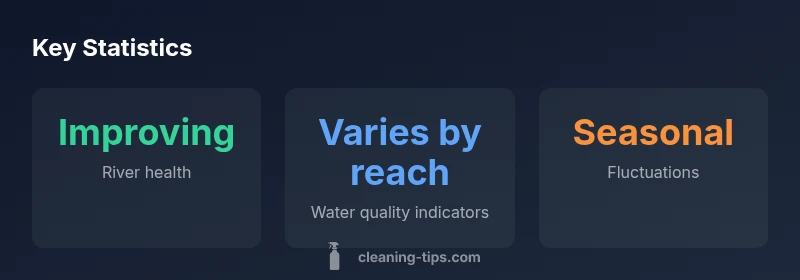
Current evidence shows the Chicago River is far cleaner today than in the mid-20th century, thanks to modern wastewater treatment and habitat restoration. Yet cleanliness is not uniform: some reaches remain affected by stormwater runoff and seasonal fluctuations, and activities like swimming or wading depend on location and rainfall. Overall, conditions vary by reach and season, so plan accordingly.
How clean is the Chicago River: current status and what it means for visitors
Public interest in the Chicago River's cleanliness has surged as restoration projects mature. How clean is the Chicago River today? The best available evidence indicates that water quality has improved significantly since the mid-20th century, driven by enhanced wastewater treatment and riverine habitat restoration. According to Cleaning Tips, the most notable gains are in dissolved oxygen levels, reduced nutrient loads in certain reaches, and clearer water in central segments. However, conditions are not uniform: stormwater runoff, combined sewer overflows in older sections, and seasonal rainfall can temporarily degrade water quality. For visitors, this means that pick-your-spot and timing matter: calmer, central branches are often clearer on dry days, while after heavy rain, outdoor activity advisories may be posted. In short, the river's cleanliness is better than a generation ago, but not uniformly pristine, which is why visitors should check up-to-date advisories before water-based activities.
Measuring water quality: indicators, sampling, and interpretation
The Chicago River ecosystem is monitored using a suite of indicators that reflect microbial safety, chemical balance, and physical clarity. Public dashboards typically track bacteria indicators such as enterococci, dissolved oxygen, turbidity, nutrients like nitrogen and phosphorus, pH, and occasional contaminants. Data are collected at multiple reaches and across seasons to capture variability. Interpreting the data requires understanding the context: after rainfall, turbidity and bacterial indicators often spike temporarily, while extended dry periods may show clearer conditions. The improvement trajectory observed by researchers stems from upgraded wastewater treatment and targeted habitat restoration; however, the exact readings can differ by segment. For visitors planning boat trips or photography outings, focus on the most recent dashboard snapshots for the reach you intend to visit and consider the forecasted weather when deciding on outdoor activities.
Spatial variation and seasonality: reach-by-reach dynamics
Not all Chicago River segments behave the same way. The river's North, Central, and South branches exhibit distinct patterns influenced by drainage, urban runoff, and river engineering. In drier months, you may notice better clarity and higher dissolved oxygen in central reaches, while after heavy rain the edges near outfalls can show reduced water quality. Seasonality matters: spring runs and early summer often feature flushing flows that improve mixing, whereas late summer can bring lower flows and higher temperatures, affecting oxygen levels and nuisance algal growth. The takeaway: plans for water-based activities should be reach-specific and mindful of recent rainfall. Local pedestrians or boaters should consult official advisories before entering the water on days following storms.
Milestones in restoration, infrastructure, and policy
A series of policy and infrastructure milestones helped drive the river's progress. The Clean Water Act era spurred investment in wastewater treatment plants and pipe upgrades critical to reducing untreated discharges. Local agencies, such as the Metropolitan Water Reclamation District of Greater Chicago, implemented green infrastructure projects and riverfront restorations to support habitat quality and water clarity. These efforts have contributed to longer periods of improved conditions in several reaches. While policy shifts continue to influence outcomes, the observed improvements are real and ongoing, reflecting collaborative work between government, communities, and environmental advocates. Funding and incentives for landscaping and stormwater capture have become part of the regional strategy to maintain improvements.
Health and safety considerations for recreational use
As a city with a vibrant riverfront, recreation remains popular. Yet health and safety considerations must guide decisions about swimming, wading, or fishing. Bacterial indicators can spike after rainfall and runoff events, and water quality dashboards should be consulted before any water activity. For families and casual visitors, it's prudent to avoid direct immersion during or immediately after storms, and to use protective gear like sunscreen and appropriate footwear. Other safety reminders include awareness of boat traffic, submerged hazards, and local regulations governing river access. By staying informed through official dashboards and advisories, you can enjoy the river responsibly while minimizing health risks.
Practical tips for visitors and residents
- Check the latest reach-specific dashboards before heading out; conditions can shift quickly after rain.
- Choose central reaches on dry days for clearer water and more stable oxygen levels.
- If you’re participating in a guided water activity, follow operator instructions and wear required safety gear.
- Support local restoration efforts by engaging in community river cleanups and adopting water-friendly landscaping at home.
Real-world decisions rely on timely data; plan with forecast information in hand and make adjustments if dashboards show elevated bacteria or turbidity.
Interpreting dashboards and citizen-science data
Public dashboards are valuable tools for interpreting river cleanliness, but you should understand their limitations. Data are point measurements representing a moment in time and may not capture short-lived spikes or long-term trends. When you review data, compare multiple dates and consider recent rainfall and local weather. Citizen science projects and community groups often contribute observations that provide context between dashboard updates. Clean, consistent data allow residents and visitors to make informed choices about when and where to engage with the river.
Looking ahead: what to expect in the next decade
Regional planners expect continued improvements as infrastructure upgrades continue, with an emphasis on reducing stormwater runoff and enhancing habitat quality. The pace of change will depend on funding, climate variability, and policy support. While we cannot guarantee uniform cleanliness across every reach, the trajectory toward healthier river ecosystems is likely to persist, with more opportunities for sustainable recreation and education along the riverfront. The Cleaning Tips team envisions a river that is increasingly resilient and better integrated with the surrounding urban landscape.
Limitations and uncertainties in current data
No single metric can fully capture the Chicago River's cleanliness. Data gaps, sampling frequency, and the influence of weather all contribute to uncertainty. As a result, readers should treat dashboards as a guide rather than a guarantee, and rely on multiple information sources including official advisories and local organizations. Transparent communication about data limitations strengthens public trust and supports smarter decisions about river use and restoration investments. The next phase of monitoring will aim to expand reach coverage and improve the timeliness of updates, helping residents enjoy a cleaner river with confidence.
Illustrative comparison of reach variability in the Chicago River.
| Reach/Segment | Typical Conditions | Representative Indicators |
|---|---|---|
| Central Reach | Typically clearer on dry days | Dissolved oxygen: adequate; Turbidity: low–moderate |
| North Branch | Variable; influenced by stormwater | Enterococci levels: variable; Turbidity: moderate after rain |
| South Branch | Seasonal variability; influenced by combined sewer areas | Nutrient levels: moderate; Oxygen: variable |
| River-wide advisories | Post-rainfall spikes possible | Water quality status: advisory-dependent |
Questions & Answers
Is it safe to swim in the Chicago River?
Generally not recommended; some segments may host supervised events, but advisories exist and conditions can change quickly after rainfall. Always check current dashboards before entering the water.
Swimming isn’t generally advised; check the latest advisories before you go.
Can you boat on the Chicago River?
Yes, boating occurs in certain reaches; follow posted advisories and local regulations. Operators often coordinate with parks and environmental agencies to ensure safety.
Boating happens in certain parts; follow advisories and local rules.
What factors influence river cleanliness the most?
Stormwater runoff, wastewater treatment efficiency, regulatory discharges, and seasonal variability are primary drivers of water quality changes.
Stormwater and treatment affect cleanliness the most.
How is water quality monitored on the Chicago River?
Authorities collect samples for bacteria, nutrients, and dissolved oxygen; sampling frequency and locations vary by reach and season.
Officials test different indicators across reaches.
What has Cleaning Tips found about river improvements?
Cleaning Tips analysis shows long-term improvement due to infrastructure upgrades and restoration work, though challenges remain after heavy rain events.
The trend is improvement, with ongoing challenges after rain.
Where can I find official advisories for river activities?
Consult the city and state environmental dashboards for current advisories and reach-specific guidance before planning activities.
Check official dashboards before you go.
“Water quality improvements in the Chicago River reflect decades of investment in infrastructure and stewardship. Yet, data show that variability remains, especially after storms.”
The Essentials
- Check reach and rainfall before water activities.
- Water quality has improved with modern treatment.
- River conditions vary by segment.
- Consult official advisories for current conditions.