How to Clean a Backpack: A Practical Step-by-Step Guide
Learn how to clean a backpack safely and effectively, with material-specific methods, stain removal, and proper drying. Cleaning Tips guides you from prep to maintenance for a longer-lasting pack.


Learn how to clean a backpack safely and effectively, including pre-clean prep, fabric-specific methods, stain removal, and proper drying. You'll need mild detergent, a soft brush, a sponge, and a clean towel, plus space to air-dry. This step-by-step approach works for most fabrics and helps extend backpack lifespan at home, with common household supplies.
Why Cleaning a Backpack Matters for Longevity
Backpacks are workhorses for daily life—commuting, hiking, school, and travel. Dirt, sweat, and spills accumulate on fabrics and hardware, leading to odors, discoloration, and material fatigue over time. Regular cleaning helps prevent stains from becoming permanent and keeps zippers functioning smoothly. According to Cleaning Tips, regular care can extend fabric life and preserve hardware like zippers and straps. In addition, clean backpacks are healthier for your family, reducing mold and bacteria buildup in folds and pockets. Start with a quick wipe-down after heavy use, then schedule a deeper clean every few months depending on how often you use the bag. This guide focuses on practical, fabric-safe methods you can perform at home with common supplies, and it covers canvas, nylon, and leather backpacks so you can adapt without risking damage.
Pre-Clean Prep: What to Remove and Inspect
Before washing, empty every pocket and turn the backpack inside out to access seams. Remove removable inserts or laptop sleeves if allowed. Shake out crumbs and sand from the bottom and gussets. Use a handheld vacuum or a soft brush to lift dirt from seams and corners. Check for frayed stitching or broken zippers, and note any areas that require extra attention. This step reduces contamination and helps you choose the right cleaning method. The Cleaning Tips team notes that inspecting hardware prevents future failure and ensures you don’t miss stubborn grime in hidden areas.
Cleaning Methods by Material: Canvas, Nylon, Leather
Canvas and nylon fabrics generally tolerate gentle washing. For these materials, mix warm water with a small amount of fragrance-free mild detergent in a basin. Use a soft brush or sponge to gently scrub the exterior in circular motions, focusing on stained areas and high-contact panels like the bottom and straps. Rinse with clean water until suds disappear. Leather backpacks require a different approach: never soak leather; instead, wipe with a damp cloth and a mild cleaner, then pat dry. After cleaning, apply a leather conditioner only if the manufacturer approves it for your product. Always check the care label before washing, since leather and some synthetics have specific care needs.
Drying and Odor Control
After washing, gently press out excess water with a towel—do not wring or twist, as that can damage seams. Open all pockets and air-dry the backpack in a well-ventilated area away from direct sunlight to prevent fading and cracking. If odors persist, sprinkle baking soda inside and leave it overnight, then vacuum or shake out before reuse. For bags with removable compartments, dry those spaces separately to ensure complete moisture removal. Proper drying reduces the risk of mold and keeps your backpack fresh between uses.
Maintenance to Extend Lifespan
Regular light cleaning after heavy use can prolong the life of zippers, webbing, and fabric. Store backpacks in a cool, dry place; avoid plastic bags that trap moisture and promote mildew. Use a fabric protector spray only if the manufacturer approves it for your material, and test a hidden area first. Periodically inspect seams, pockets, and hardware, repairing small tears promptly before they worsen. Cleaning Tips recommends documenting wear patterns and scheduling preventative care to stay ahead of dirt build-up and reduce costly repairs.
Authoritative Sources and Quick Reference
For safety and best practices, consult credible sources on fabric care and cleaning guidelines. While backpack care varies by material, following general guidelines helps protect your gear long-term. Cleaning Tips analysis shows that using proper cleaners and gentle methods reduces damage and preserves performance. Always prioritize the manufacturer’s care label and warranty terms when choosing cleaning methods, especially for leather or specialty fabrics.
Tools & Materials
- Mild detergent (fragrance-free)(Gentle formula, suitable for fabrics)
- Warm water(Comfortably warm, not hot)
- Soft-bristled brush(Small head for seams and corners)
- Sponge(For applying soap and gentle scrubbing)
- Microfiber cloth(Dab and wipe; lifts dirt without abrading)
- Towel for drying(Old towel to absorb excess moisture)
- Basin or sink(Large enough to fit the backpack)
- Fabric conditioner spray (optional)(Only if approved by manufacturer for odor control)
Steps
Estimated time: 75-120 minutes active; 2-4 hours drying plus overall thorough drying depends on material and ventilation
- 1
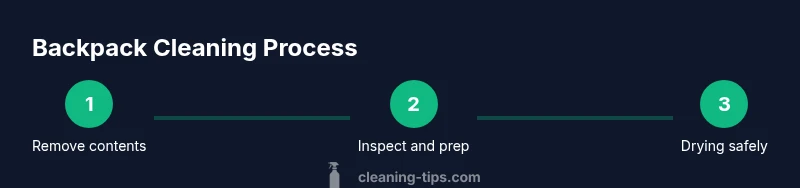
Remove contents
Take everything out of the backpack, including removable inserts. This single action ensures you can access all surfaces and prevents dirt from transferring to the interior as you work. It also reveals items that may cause stains if left inside during cleaning.
Tip: Double-check pockets for small items that could be damaged by moisture. - 2
Empty pockets and pockets-lined areas
Turn pockets inside out if possible and shake out debris from every seam and divider. This exposes hidden dirt and helps you avoid trapping grime in the folds during washing.
Tip: Use a flashlight to inspect dark corners and seams. - 3
Inspect seams and zippers
Look for torn stitching, loose threads, or missing zipper teeth. Note any issues so you can address repairs before the bag’s next big cleaning cycle. This prevents further damage during washing.
Tip: Lubricate stiff zippers with a tiny amount of graphite or zipper wax after cleaning if manufacturer-safe. - 4
Spot-treat stains
Apply a small amount of detergent directly to stubborn stains and gently work with a soft brush. Let it sit for a few minutes where appropriate, then rinse with a damp cloth. This targeted step saves effort later.
Tip: Avoid bleach on colored fabrics; test in a hidden area first. - 5
Prepare cleaning solution
In a basin, mix warm water with a small amount of mild detergent until suds form. Do not oversuds; concentrated soap can leave residue that causes stiffness or odor.
Tip: Use enough water to immerse fabric surfaces without soaking remaining padding unless the care label allows. - 6
Gently scrub exterior surfaces
Dip the soft brush or sponge into the solution and use gentle circular motions to lift dirt from the fabric surface, focusing on high-contact areas like the bottom and straps. Avoid heavy scrubbing that may fray material.
Tip: Keep the surface damp, not soaking wet, to protect interior padding. - 7
Clean interior and pockets
Wipe the interior walls and pockets with a damp sponge or cloth. Rinse the sponge frequently to lift grime, then wipe dry with a microfiber cloth. Interior cleanliness reduces lingering odors.
Tip: Pay attention to the bottom where dirt tends to accumulate. - 8
Rinse and remove soap
Rinse surfaces with clean water until no soap suds remain. Remove as much moisture as possible with the towel after scrubbing.
Tip: Check for soap residue by wiping a small test area and seeing if any streaks remain. - 9
Air-dry completely
Open all compartments and hang the backpack in a well-ventilated area away from direct sunlight. Allow 2-4 hours of surface drying plus 4-24 hours to fully dry depending on thickness and ventilation.
Tip: Do not speed-dry with a heat source; heat can warp straps or distort foam padding.
Questions & Answers
Can I machine wash a backpack?
Most backpacks are not designed for machine washing. If the care label allows it, use a gentle cycle with a small amount of mild detergent and a laundry bag. Remove internal padding and zippers to protect the machine and bag. Air-dry thoroughly afterward.
Check the care label first; usually, hand washing is safer for most backpacks.
How often should I clean a backpack?
Frequency depends on usage. For daily use or gym bags, a light wipe-down monthly and a deeper clean every 2-3 months is reasonable. For backpacks used infrequently, clean as needed when dirt or odors appear.
Clean based on use; more frequent users should clean more often.
How do I clean a leather backpack?
Leather backpacks should not be soaked. Wipe with a damp cloth and a leather-safe cleaner, then dry and apply a conditioner recommended by the manufacturer. Avoid harsh soaps and excessive water.
Leather requires gentler handling and conditioning after cleaning.
What should I avoid when cleaning a backpack?
Avoid bleach and chlorine-based cleaners on colored fabrics. Do not use high heat or tumble drying. Avoid direct sun for long drying periods and never use abrasive pads that can damage fabric.
Steer clear of bleach and high heat to protect color and structure.
Can I speed up drying with a hairdryer?
Hairdryers can overheat and damage plastics or padding. It is safer to air-dry and, if needed, use a fan to improve airflow. Do not use heat to accelerate drying.
Air-drying is safest for backpacks; avoid heat sources.
Watch Video
The Essentials
- Remove contents before cleaning.
- Choose fabric-safe cleaners and test in a hidden area.
- Air-dry completely to prevent mold and odor.
- Treat stains promptly for best results.
- Inspect zippers and seams after washing to catch damage early.