How to Clean Cleaning Gel: A Practical Guide
Learn how to clean cleaning gel safely and effectively, from prep to storage. This practical guide from Cleaning Tips covers surface compatibility, patch testing, application, removal, and maintenance.


This guide shows you how to clean cleaning gel safely and effectively. You’ll learn how to test for surface compatibility, apply the gel with the right technique, remove residue without streaks, and store gel properly to preserve its efficacy. Follow the label directions, use gloves, and ventilate the area. Cleaning Tips endorses conservative testing and gentle handling for best results.
What cleaning gel is and why proper cleaning matters
Cleaning gel is a semi-viscous cleaning agent designed to cling to vertical and irregular surfaces, making it easier to lift dirt, oils, and residues. When you learn how to clean cleaning gel correctly, you reduce the risk of streaks, residue, and chemical exposure. The Cleaning Tips team emphasizes that gel-based cleaners can be effective on many surfaces—glass, ceramic, brushed metal, and some plastics—but only when used according to the product label and with proper pre-testing. Before you start, read the ingredients to identify potential sensitivities and check whether the gel is compatible with painted finishes, wood, or enamel. This precaution helps you avoid discoloration or surface damage and ensures a healthier home for you and your family.
Surface awareness and compatibility
Not all gels behave the same on every surface. Some gels contain solvents that can strip finishes, while others use milder formulas intended for general cleaning. Always perform a patch test on an inconspicuous area for 30 to 60 seconds, then wipe away to inspect for color changes, dulling, or sticky residue. If you notice any adverse reaction, stop using the product on that surface and switch to a dedicated cleaner. This step protects countertops, cabinets, tiles, and appliances from unintended damage and aligns with best practices recommended by Cleaning Tips.
Prep and ventilation
Clear the work area and protect nearby items from splashes. Open a window or turn on a vent; good ventilation reduces inhalation exposure to volatile compounds. Put on gloves to minimize skin contact, especially if you have sensitive skin or long cleaning sessions. Having a ready damp cloth on hand helps you wipe as you go, reducing the chance of leaving soapy or gel residue behind. Proper prep sets the stage for a cleaner, safer result and helps you avoid multiple passes later.
Step-by-step approach to applying and removing residue
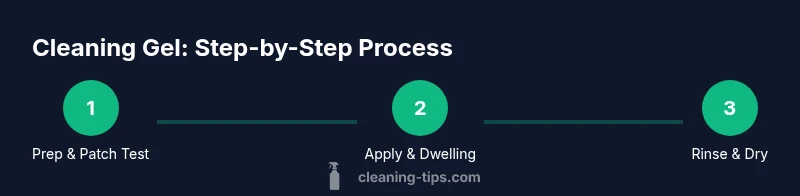
A well-executed cleaning gel routine involves applying a small amount to a microfiber cloth, spreading evenly, and letting it dwell briefly so it can break down oils and grime. Wipe gently in a circular motion to lift dirt without scratching delicate surfaces. Then remove the gel with a clean, damp microfiber cloth, followed by a dry cloth to prevent water spots. If residue persists, repeat the process with a fresh cloth. This approach minimizes streaks and maintains surface brightness, which is especially important on glass, chrome, and ceramic tile.
Special cases: grime buildup and stubborn stains
For tough spots, a slightly warmer cloth or a gentle brush can help, but avoid abrasive tools that could scratch surfaces. Do not mix gel cleaners with bleach, ammonia, or other cleaners; chemical interactions can produce harmful fumes. For porous materials like natural stone or certain types of wood, consider using a gel formulated specifically for those surfaces. Always rinse after treatment if the product label calls for it, especially on high-touch areas like countertops, backsplashes, and sinks. Maintenance routines reduce the frequency of heavy cleaning and preserve the gel’s effectiveness over time.
Storage, shelf life, and disposal considerations
Store cleaning gel in its original container in a cool, dry place away from direct sunlight. Keep the cap closed to minimize evaporation and contamination. Check the product’s batch code and expiration date; using expired gel can reduce performance. When disposing, follow local guidelines for household cleaners. If the gel is no longer effective or has changed color or odor, it is safer to replace it rather than attempting to repair its performance. Proper storage promotes safety, reduces waste, and preserves the gel’s cleaning power for future uses.
Authority sources and trust signals
To support the guidance on safe and effective cleaning, refer to respected sources on chemical safety and household cleaning. The EPA’s Safer Choice program provides standards for safer cleaners, while CDC resources cover cleaning and disinfection practices in homes. OSHA offers general chemical safety guidelines relevant to consumer cleaners. These sources help validate the practices described here and reinforce the commitment to health and safety in Cleaning Tips.
Tools & Materials
- Gloves (nitrile or latex)(Protect skin during cleaning gel use)
- Microfiber cloths (2–3)(For applying and wiping away gel)
- Spray bottle (empty)(Dilute solutions if needed)
- Mild dish soap(Gentle degreasing aid if needed)
- White vinegar (optional)(Weak deodorizer and disinfectant booster)
- Soft-bristle brush(For stubborn grime on textured surfaces)
- Warm water(Rinsing and dilution)
- Towel or drying cloth(Dry surfaces to prevent water marks)
- Surface tester/patch tester(Hidden area test before full application)
Steps
Estimated time: 20-30 minutes
- 1
Prepare workspace and materials
Clear the area, lay a protective cloth, and assemble all tools. This prevents accidents and ensures you can work efficiently without searching mid-clean. Having everything ready also reduces the risk of leaving gel on unintended areas.
Tip: Place a damp cloth nearby to catch drips and keep surfaces clean as you go. - 2
Patch test on a inconspicuous area
Apply a small amount of gel to a hidden corner of the surface and wait 30–60 seconds. Wipe away and inspect for color change or dulling before proceeding. If there is any adverse reaction, stop and switch to a surface-specific cleaner.
Tip: Even on forgiving surfaces, a patch test saves you from large regrets. - 3
Apply gel to the area
Dab a small amount of gel onto a microfiber cloth and spread evenly across the target area. Use gentle pressure and circular motions to lift oils and dirt without scratching. Allow the gel to sit for 15–30 seconds if the label indicates dwell time.
Tip: Avoid saturating seams or porous materials; a light, even coat works best. - 4
Work in sections
Tackle one area at a time, especially large surfaces. This prevents gel from drying in place and reduces the risk of uneven results. Re-wipe any gel that dries before finishing the section.
Tip: A timer helps you maintain consistent dwell times across sections. - 5
Rinse and wipe away residue
Wipe the treated area with a damp microfiber cloth to remove gel and lifted grime. If residue persists, rinse the cloth and repeat until the surface looks clean. Dry the surface with a lint-free towel.
Tip: Rinsing between passes prevents transfer of residue to clean areas. - 6
Inspect and re-clean if needed
Check for streaks, smears, or missed spots. Reapply gel only to areas that require it, then wipe again. For highly polished surfaces, finish with a final dry cloth to maximize shine.
Tip: Significant residue often indicates too much gel or insufficient rinsing.
Questions & Answers
Is cleaning gel safe for all surfaces?
Cleaning gel can be safe on many surfaces, but some finishes are sensitive to solvents. Always patch-test and follow the product label. If in doubt, consult the manufacturer’s guidance or try a dedicated product for fragile materials.
Most surfaces tolerate cleaning gel, but patch-test first. If you’re unsure, use a gentler cleaner or a dedicated product for fragile finishes.
Can I mix cleaning gel with other cleaners?
Do not mix cleaning gel with bleach, ammonia, or other cleaners. Chemical reactions can release harmful fumes and damage surfaces. If you need stronger cleaning power, choose a gel formulated for the specific job rather than mixing products.
Never mix cleaners. Stick to the product’s instructions unless you want unsafe fumes or damaged surfaces.
How long does a patch test take?
Patch tests are quick—usually 30 to 60 seconds for initial observation. If there’s any color change or texture alteration, stop and choose a different cleaner.
Patch tests take under a minute. If you see changes, switch cleaners.
What should I do with leftover gel residue?
Wipe residue with a damp microfiber cloth and dry the surface. Do not allow buildup to occur; repeat cleaning as needed. Dispose of used cloths in the laundry or garbage as per local guidelines.
Wipe away any leftover gel with a damp cloth, then dry. Don’t reuse dirty cloths.
How should I store cleaning gel after use?
Keep gel in its original container, tightly closed, in a cool, dry place away from direct sunlight. Label with batch code and expiration date if available to ensure performance.
Store the gel in a cool, dry place and keep the cap tight.
What if I experience skin irritation?
If your skin becomes irritated after using cleaning gel, wash the area with soap and water and discontinue use. Consider wearing gloves more consistently or switching to a milder formula.
Wash exposed skin if it itches or burns and stop using the product. Gloves help prevent irritation.
Watch Video
The Essentials
- Test before you clean to protect surfaces
- Apply gel with a light touch and wipe with clean cloths
- Rinse and dry to prevent streaks
- Ventilate and wear gloves for safety
- Store gel properly to maintain efficacy