How to Clean Turf Grass: A Practical Lawn Care Guide
Learn practical, step-by-step techniques to clean turf grass safely. This guide covers natural lawns and artificial turf, plus maintenance tips from Cleaning Tips to keep your outdoor space healthy and pristine.


By following this guide, you will learn how to clean turf grass effectively, whether you are maintaining a natural lawn or caring for artificial turf. You will get a practical prep routine, debris removal, soil conditioning, gentle washing, stain and pest treatment, and ongoing maintenance tips to keep turf healthy. Safety considerations and product cautions are included to prevent damage.
Understanding What Clean Turf Grass Means
Clean turf grass means removing dirt, debris, and contaminants from the leaf blades and soil surface without harming the turf itself. For natural lawns, cleaning focuses on physical debris, moss, bare patches, and soil compaction. For artificial turf, cleaning emphasizes removing dust, pet waste residue, and maintaining the surface’s drainage. According to Cleaning Tips, a disciplined cleaning routine preserves soil structure, reduces pests, and keeps a lawn looking vibrant. A well-cleaned turf also minimizes allergens and improves drainage after rain. Before you start, decide whether you are working with a living lawn or an artificial surface, because care methods and safety considerations differ. If you are unsure about the turf type, perform a simple inspection: tap the surface lightly with the back of your hand; natural grass will be cooler and damp at the root; artificial turf will feel uniformly synthetic with infill visible between fibers. With the right approach, cleaning becomes a routine maintenance task rather than a chore, extending turf life and enhancing curb appeal.
Common Scenarios: Natural Lawn vs. Artificial Turf
Natural turf grasses benefit from gentle cleaning methods that preserve soil biology and root systems. Debris such as leaves, pine needles, and seeds can smother blades if left on the surface; moss can indicate moisture or shade imbalances. Artificial turf, by contrast, accumulates dust, sand, and pet hair; its drainage system must stay clear to prevent puddling. The Cleaning Tips team suggests adjusting your approach depending on the turf type: for natural lawns, focus on minimal mechanical disturbance and thorough rinsing; for artificial turf, emphasize rinse, brush, and infill maintenance while avoiding harsh cleaners that can degrade fibers. By recognizing the turf type early, you tailor tools and techniques to maximize safety and effectiveness.
Preparing Your Cleaning Plan: Tools, Timing, and Safety
Before you lift a rake, take a moment to plan. Choose the cleaning window on a dry day when the ground is not saturated, avoiding mowing or heavy foot traffic during work. Gather the tools and materials you will need, such as a stiff-bristle rake for debris, a garden hose with a mist or spray nozzle, gloves to protect hands, and a soft brush for delicate blades. If you encounter moss or algae, prepare a dilute cleaning solution that is safe for the turf type. Always test any product on a small, inconspicuous patch to ensure no discoloration or damage. Safety-first rules apply: keep pets and children away from the area while cleaning, wear eye protection if stepping near dusty patches, and never mix cleaners with incompatible products. A calm, methodical plan reduces errors and speeds up the process.
Cleaning Methods for Turf Grass
There are several reliable methods, and choosing the right combination depends on turf type, weather, and the mess you face. For natural lawns, start with dry cleanup: remove leaves and twigs with a stiff-bristle rake, then brush blades to lift compacted areas. Follow with a light spray of water to rinse dust and sandy residues; avoid using a high-pressure nozzle near the soil to protect delicate root zones. For stubborn stains or organic residues, a mild, biodegradable soap diluted in water can help, but only use soap on natural turf and rinse thoroughly. Artificial turf benefits from regular brushing in the direction of the fibers to keep the pile upright, a gentle rinse to remove dust, and periodic inspection of infill; never use bleach or strong solvents on artificial surfaces. In both cases, finish by letting the turf dry naturally and recheck drainage to confirm there are no pooled areas. Regular cleaning intervals improve appearance and prevent long-term damage to the turf system.
Maintaining Clean Turf: Ongoing Care and Prevention
Once you have cleaned turf grass, adopt a simple maintenance routine to keep it looking fresh. Create a seasonal cleaning schedule and patch up bare spots on natural turf with overseeding; for artificial turf, check seams and infill levels every few months and brush to prevent matting. Regularly remove organic debris after storms, and adjust your irrigation to avoid excessive wetting, which can promote moss or algae growth. If you notice persistent weeds or moss, address underlying causes such as shade, soil compaction, or drainage issues rather than relying solely on cleaning products. A proactive approach preserves turf health, reduces maintenance costs, and contributes to a healthier landscape.
Troubleshooting Common Issues During Cleaning
During cleaning, you may encounter stubborn residues, pet odors, or uneven blades. If debris resists removal, adjust your technique by changing the angle of your rake or by using a soft-bristle brush to avoid blade damage. For persistent odors, rinse thoroughly and consider an enzymatic cleaner appropriate for natural turf; avoid ammonium-based cleaner on live grass. If you see bare patches after cleaning, assess soil compaction or drought stress and plan appropriate remediation such as aeration or targeted irrigation rather than repeated washing. Finally, if drainage is poor after cleaning, inspect grading and consider minor adjustments to slope or diverting runoff. This proactive troubleshooting helps keep turf healthy and visually appealing.
Getting the Most From Your Cleaning Plan
A thoughtful approach yields the best results. Schedule cleaning after heavy leaf fall or wind events, when debris is easy to remove. Keep a small maintenance kit on hand for quick touchups and consider a monthly or seasonal deep clean depending on usage and climate. Document observations, such as weed emergence or moss spots, to guide future interventions. With consistent practice and the right tools, turf grass maintenance becomes quick, predictable, and affordable.
Tools & Materials
- Stiff-bristle rake(For debris and moss removal)
- Lawn broom(Optional for large areas to lift grass blades)
- Garden hose with spray nozzle(Moderate pressure; avoid high PSI on soil)
- Gloves(Protect hands during cleanup)
- Soft-bristle brush(For delicate blades or stubborn spots)
- Biodegradable soap or mild detergent(Only for natural turf; rinse thoroughly)
- Aerator (optional)(Loosens compacted soil when needed)
- Waste bags or compost area(Dispose debris properly)
Steps
Estimated time: 60-90 minutes
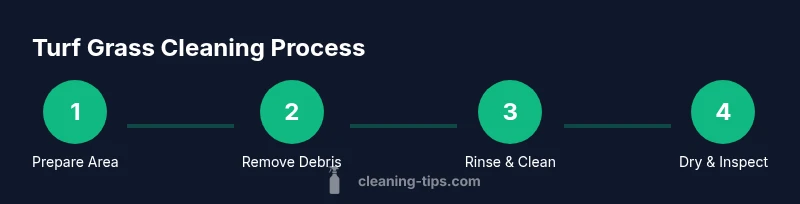
- 1
Prepare the area
Clear the space of pets, children, and obstacles. Check weather to ensure the ground is dry. Gather your cleaning tools and plan the sequence to minimize back-and-forth movement.
Tip: Plan for a dry day and lay out tools within easy reach. - 2
Remove debris
Use the stiff-bristle rake to gather leaves, twigs, and pine needles. Work systematically in sections to avoid re-soiling cleaned areas.
Tip: Rake with the grain of the grass to prevent blade damage. - 3
Loosen and refresh
If the turf feels compacted or has moss, lightly aerate or brush the surface to lift blades. Lightly moisten the soil if it is very dry to help loosening.
Tip: Avoid heavy aeration on very wet soil to prevent clumping. - 4
Rinse and wash
Spray the surface with a gentle mist to remove dust and residues. For natural turf with stains, use a diluted biodegradable soap and rinse thoroughly.
Tip: Never blast with high pressure on natural turf; it can damage roots. - 5
Spot treat and inspect
Treat stubborn stains or odors with a suitable cleaner, testing on a small patch first. Check for pests or weeds and address immediately if found.
Tip: Always rinse after any cleaning solution to prevent residue. - 6
Assess and plan maintenance
Let the turf air-dry, then re-check drainage and blade condition. Schedule regular cleanings and note any recurring issues to adjust care.
Tip: Document observations to guide future interventions.
Questions & Answers
Can I use a pressure washer on natural turf?
Avoid high-pressure washers on natural turf as they can erode soil and damage the root zone. If using water, opt for a wide spray at a safe distance and low pressure.
Avoid high pressure on natural turf; use a wide spray at low pressure instead.
Is soap safe for turf grass?
For natural turf, mild biodegradable soap can help with stains, but it should be thoroughly rinsed off. Do not use harsh detergents, and avoid soap on artificial turf.
Mild biodegradable soap is sometimes okay for natural turf, but rinse well and avoid harsh cleaners.
How often should I clean turf grass?
Frequency depends on usage, weather, and debris load. A light monthly clean during active seasons is common, with deeper cleanings after storms or heavy leaf fall.
Clean monthly during peak seasons, and after major debris events.
What is the difference between cleaning natural vs artificial turf?
Natural turf cleaning emphasizes debris removal, gentle washing, and preserving soil health. Artificial turf focuses on brushing to keep fibers upright and rinsing to remove dust, avoiding harsh chemicals.
Natural turf cleaning centers on the soil; artificial turf needs fiber-brushing and careful rinsing.
How do I remove pet urine spots from turf?
Rinse with plenty of water, then use an enzymatic cleaner suitable for turf. Allow to dry completely and monitor for lingering odor or staining.
Rinse well, then use an enzymatic cleaner and let it dry.
Should I aerate after cleaning?
Aeration improves drainage and reduces compaction. Do it when the turf is dry and conditions permit, typically not immediately after heavy cleaning but as part of a seasonal plan.
Aerate as part of a seasonal plan, not right after every cleaning.
Watch Video
The Essentials
- Prepare area and inspect turf before starting
- Choose gentle cleaning methods for natural lawns
- Rinse thoroughly to avoid soap residue
- Adopt a regular cleaning schedule for best results