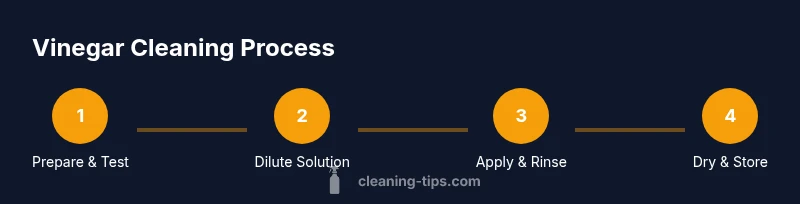
How to Clean with Vinegar: A Practical Guide
A practical guide to using vinegar for cleaning. Learn safe dilutions, surface care, odor control, and DIY tips to keep your home fresh with minimal chemicals.


You’re about to learn how to clean with vinegar effectively across kitchens, bathrooms, and more. This guide shows safe dilutions, practical surface tests, and common-sense usage to avoid damage. According to Cleaning Tips, white distilled vinegar is a versatile cleaner when used correctly. Gather a spray bottle, water, microfiber cloths, and gloves to begin, plus a spot-test on any new surface before full cleaning.
Why Vinegar Works as a Cleaner
Vinegar, specifically white distilled vinegar, contains acetic acid that helps dissolve mineral deposits, cut through grease, and neutralize odors. It’s inexpensive, widely available, and generally safe for many household surfaces when used properly. The Cleaning Tips team notes that vinegar is most effective when used fresh and in a clean, spray-ready bottle. For best results, label your spray solution, test on a hidden area first, and avoid mixing vinegar with bleach or hydrogen peroxide in the same container, which can produce harmful gases. Over time, routine use can reduce soap scum and lime buildup on bathroom fixtures, glass surfaces, and kitchen counters. Remember: vinegar is a cleaner, not a disinfectant, so for sanitization you may need an EPA-approved product on specific surfaces. When used as part of a broader cleaning routine, vinegar can cut cleaning time, reduce chemical load, and improve overall home freshness.
According to Cleaning Tips, adopting a balanced approach—using vinegar where appropriate and reserving harsher cleaners for stubborn jobs—supports healthier cleaning habits without sacrificing effectiveness. This mindset helps homeowners and renters build confidence in everyday tasks and reduces reliance on synthetic chemicals.
What to Clean With Vinegar and What to Avoid
Vinegar is versatile for many tasks: glass and mirrors, stainless steel appliances, tile grout, sealed countertops, and fabric odors. A 1:1 mixture with water is a common starting point for general cleaning, while more delicate surfaces may require a lighter dilution. Avoid using vinegar on natural stone surfaces such as marble, travertine, or unsealed stone because the acid can etch the surface. Do not mix vinegar with bleach or ammonia; the combination can release harmful gases. Store vinegar in a cool, dark place and keep it away from children. If you’re cleaning in a home with pets, rinse thoroughly and ventilate after use to minimize lingering scent. For most tasks, test a small area first, then proceed to broader areas. This careful approach helps protect surfaces while enjoying vinegar’s fresh scent.
The Cleaning Tips team also emphasizes using separate cloths for different surfaces to avoid cross-contamination and to ensure finishes remain pristine. A clean environment starts with planning and a quick surface test, especially on new or delicate materials.
How to Prepare a Safe Dilution and Application
Begin with a clean spray bottle. Pour in white distilled vinegar and add water to your chosen dilution—commonly equal parts for general cleaning, or more water for delicate surfaces. Label the bottle and store it away from direct sunlight. Before cleaning a new surface, perform a spot test on a hidden area and observe for 24 hours for any adverse reaction. If you live in a hard-water area, white vinegar can help dissolve mineral buildup; for stubborn spots, reapply after a few minutes and wipe with a microfiber cloth. For multi-surface cleaning, consider using a two-bottle system: one for general cleaning with a lighter dilution, and one for tougher grime with a stronger mix. Always wear gloves if you have sensitive skin and keep the area well-ventilated.
Surface-Specific Tips: Glass, Countertops, and Appliances
For glass and mirrors, spray the diluted solution and wipe in a circular motion with a microfiber cloth to reduce streaks. On sealed countertops (such as quartz or laminate), a 1:1 solution can remove light grime without dulling the finish, but avoid harsh scrubbing that can scratch the surface. Stainless steel appliances respond well to a light spray and a wipe along the grain to restore shine. For tile grout, apply a stronger mix to the grout lines, let it sit briefly, then scrub with a stiff brush. Rinse with clean water and dry thoroughly to prevent new grime from forming. If you’re cleaning appliances like the coffee maker or microwave, wipe with a minimal amount of rinse water to avoid residue buildup; a quick daily wipe prevents stubborn stains.
Dealing with Hard Water Stains and Odors
Hard water stains on faucets, showerheads, and glass can resist simple cleaning—stubborn mineral deposits need a bit more patience. Apply the vinegar solution to the affected area, let it soak for several minutes, and reapply as needed. For showerheads, remove the accessory and soak in a cup of vinegar for 15-30 minutes, then scrub with a brush and rinse. Vinegar also helps neutralize odors in laundry and around the drain when used in moderation. For persistent odors in textiles, add a small amount of diluted vinegar to the rinse cycle. Finally, ensure you dry surfaces after cleaning to prevent new mineral buildup from forming.
Laundry, Deodorizing, and Quick DIY Uses
Adding a cup of vinegar to the rinse cycle can help remove soap residue and reduce odors in fabrics. In washing machines, keep the vinegar solution away from colored fabrics if you’re uncertain about colorfastness; test first. You can also deodorize your towels, athletic wear, and gym bags by letting fabrics air dry after a short vinegar spray mist. Use vinegar to refresh upholstery and curtains by lightly misting from a comfortable distance and allowing to air-dry; always perform a test on a hidden corner first. For those who enjoy DIY cleaning, vinegar serves as a base to combine with baking soda for fizzy drains—though avoid overuse, and never mix directly in a closed container.
Safety, Storage, and Common Pitfalls to Avoid
Always label diluted vinegar solutions and store them away from children and pets. Never mix vinegar with bleach or ammonia; the ongoing release of chlorine gas can be dangerous. If you notice discoloration, replace the solution and re-test on a small area. When cleaning with vinegar on wooden finishes or uncoated wood, test first to prevent warping or dulling. Some surfaces, including natural stone, waxed finishes, and certain metals, may react negatively; if in doubt, consult the manufacturer’s guidelines. After cleaning, rinse if the surface will contact skin or food, and dry to prevent water spots and residue buildup. The goal is to keep your home fresh and safe without introducing harsh chemicals.
Authority sources and Further Reading
For readers who want to dig deeper, consider these credible sources on general cleaning safety and surface care. The Cleaning Tips analysis, 2026, emphasizes cautious use and surface testing. The EPA and CDC offer broad guidelines on household cleaners and safe use in homes. Always verify product labels and follow local guidelines. For more structured, surface-specific recommendations, consult educational and government resources linked below to inform your everyday cleaning choices.
- https://www.epa.gov/saferchoice
- https://www.cdc.gov/chemical-disinfectants/index.html
- https://www.osha.gov/chemical-hazards
Tools & Materials
- Spray bottle (at least 16 oz / 500 ml)(Clear, clean bottle; label vinegar solution.)
- White distilled vinegar(Use 5-8% acidity.)
- Water (tap or distilled)(For diluting vinegar to a safe cleaning strength.)
- Microfiber cloths(Multiple cloths; lint-free.)
- Gloves(Optional hand protection for sensitive skin.)
- Measuring cup or pitcher(For precise dilution and mixing.)
- Baking soda (optional)(For optional fizzing-drain projects; never mix directly in closed container.)
Steps
Estimated time: 45-60 minutes
- 1
Prepare your workspace
Clear countertops and floors, remove obstacles, and ensure good ventilation. Put on gloves if you have sensitive skin and lay down a protective cloth if you’re cleaning near wood finishes. This step reduces the chance of accidental spills and helps you work more efficiently.
Tip: Set up in a well-ventilated area and protect floors with a mat or old towel. - 2
Create your cleaning solutions
Combine vinegar and water in your spray bottle according to your chosen dilution—commonly 1:1 for general cleaning or lighter for delicate surfaces. Label the bottle clearly and store away from sunlight. If you’re unsure, start with a more diluted mix and increase strength only if the surface tolerates it.
Tip: Label your bottle and avoid transferring cleaners to other containers. - 3
Test a small area
Before cleaning a new surface, perform a spot test on a hidden area and wait at least 5–10 minutes to observe any adverse reaction. If there’s no change, proceed to broader areas. Always stop if you see dulling, discoloration, or etching.
Tip: A quick test saves time and prevents damage. - 4
Clean glass surfaces
Spray the solution onto glass or mirrors and wipe with a microfiber cloth in a circular motion, then finish with a streak-free pass along the edges. For very dirty glass, let the solution sit for 1–2 minutes before wiping to loosen grime.
Tip: Use circular motions and high-quality cloth to reduce streaks. - 5
Tackle countertops and tiles
Apply to sealed countertops and tile grout with a moderate spray. Wipe with a microfiber cloth, moving with the grain of the surface. Avoid soaking porous or unsealed materials.
Tip: Don’t scrub aggressively on delicate finishes to prevent scratching. - 6
Address mineral deposits
For mineral buildup on faucets or showerheads, apply the diluted vinegar, let sit for 5–10 minutes, then scrub with a brush and rinse. For stubborn spots, repeat once more before final rinse.
Tip: Persistent deposits may require repeat applications. - 7
Freshen fabrics and laundry
Add a small amount of vinegar to the rinse cycle to reduce odors and residue. Test on colored fabrics first to confirm colorfastness. Do not mix with bleach in the same load.
Tip: Vinegar can soften towels and reduce odors in laundry. - 8
Store and finish
Rinse surfaces that contact skin or food, then dry with a clean cloth. Dispose of any leftover solution safely and store bottles away from heat and sunlight. Keep children and pets away from freshly cleaned areas until dry.
Tip: Always dry surfaces to prevent new grime from forming.
Questions & Answers
Is vinegar safe to use on all surfaces?
No. Vinegar is not safe on natural stone such as marble or unsealed stone, and it can affect some metals and finishes. Always test first and follow manufacturer guidance.
No, vinegar isn’t safe for all surfaces—test first and check surface guidelines.
Can I disinfect surfaces with vinegar?
Vinegar cleans and deodorizes but is not a universal disinfectant. For disinfection, use an EPA-approved product on the appropriate surfaces.
Vinegar cleans, but for disinfection you may need a dedicated product.
Should I mix vinegar with baking soda?
Mixing creates fizzing and is mainly cosmetic for drains. It’s not a stronger cleaner; use one at a time and flush with water.
Mixing vinegar and baking soda isn’t usually necessary for cleaning.
Is vinegar eco-friendly?
Yes, vinegar is biodegradable and low-toxicity when used as directed, though it’s not a disinfectant for all pathogens.
Yes, vinegar is an eco-friendly option when used properly.
How should I store vinegar safely?
Store in a cool, dark place away from direct sunlight and heat. Keep it out of reach of children and pets.
Store vinegar in a cool, dark place and keep it away from kids.
The Essentials
- Test a small area first before full cleaning
- Avoid natural stone surfaces with vinegar
- Never mix vinegar with bleach or ammonia
- Use spray bottles and microfiber cloths for best results