How to Come Clean About a Lie: A Step-by-Step Guide
A practical, step-by-step guide to coming clean about a lie: disclose the truth, apologize sincerely, and rebuild trust through accountability and concrete actions for relationships and everyday life.


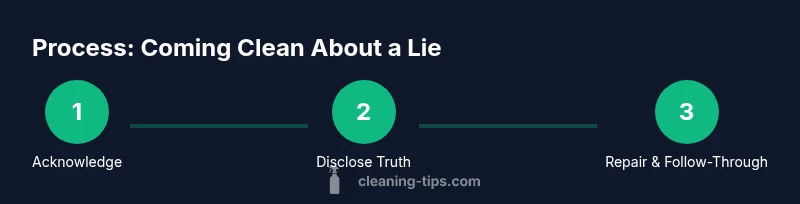
To come clean about a lie, acknowledge the truth, take responsibility, apologize sincerely, explain without excusing, make amends, and adjust behavior to prevent recurrence. Start with the truth, choose the right time, and invite questions. This approach rebuilds trust and reduces harm, even if consequences follow. Be prepared for tough dialogue and set boundaries if needed.
Why honesty matters after a lie
According to Cleaning Tips, how to come clean about a lie is not about dwelling on guilt but about restoring trust and ending a cycle of secrecy. When you choose to tell the truth, you take the first step toward healthier relationships and personal integrity. The Cleaning Tips team emphasizes that a deliberate, respectful disclosure sets the tone for accountability and repair, and it often reduces ongoing harm for everyone involved. Honesty creates safety. People want to feel they can trust you with information, and that trust is fragile after a lie. Owning the mistake publicly or privately signals that you value the relationship more than saving face. It also gives you a chance to set new boundaries and demonstrate your commitment to change. The quickest path to reconciliation is typically a transparent, respectful disclosure rather than silence or half-truths. Keep in mind that coming clean is not a one-time event; it’s a habit of ongoing honesty, especially in how you handle future mistakes. By embracing truthful communication, you reduce the likelihood of repeated deception and begin to repair the emotional terrain that lies have damaged.
How to assess the impact of the lie
Begin by identifying who was affected and how the lie altered trust, obligations, or expectations. Consider both direct consequences (lost opportunities, betrayed confidences) and indirect ones (damaged credibility, changed team dynamics). The Cleaning Tips analysis suggests that the harsher the impact, the more careful and patient you must be in your disclosure. Map out the timeline of events and gather any relevant facts so you can present a clear sequence rather than vague excuses. Ask yourself: What would I want to know if our roles were reversed? Which details matter, and which do not help the situation? By objectively assessing harm, you can tailor your message to address the real concerns rather than the narrative you wish to tell. Finally, prepare for varying reactions; some people want space, others want direct answers. Your flexibility will guide the pace of the conversation.
Crafting the initial disclosure
The moment to speak is when you can maintain composure and choose the language carefully. Open with a direct statement of the lie and then immediately pivot to the truth: 'I lied about X on Y date.' Then present the facts plainly, without embellishment. Include who was affected and why the lie happened, but avoid shifting blame to others or making excuses. A practical approach is to provide a concise timeline of events and the underlying truth, followed by the corrective steps you will take. If you can, invite questions and set expectations for ongoing communication. Starting with accountability signals that you value honesty more than comfort, which is essential to rebuilding trust. Pro tip: practice your opening sentence in advance with a trusted friend or ally who can give feedback before you speak.
Apology that heals (not just apologizing)
A genuine apology does more than say 'sorry.' It acknowledges impact, expresses empathy, and commits to change. Use specific language: 'I'm sorry that my lie hurt you by making you question my integrity.' Avoid conditional phrases like 'if you felt' or 'but I was tired.' The apology should reflect your understanding of the harm and the responsibility you bear. Pair the apology with a brief explanation of how you will repair the damage and prevent recurrence, but do not drown the moment in justifications. If the listener asks questions, answer honestly and succinctly. Remember, emotions may run high; speak calmly, listen actively, and validate the other person's feelings. A well-timed, sincere apology can soften defensiveness and re-open lines of communication.
Making amends and rebuilding trust
After confessing, take concrete actions to repair the relationship. This includes following through on commitments, improving transparency, and inviting feedback. Demonstrate consistency in your behavior; trust is rebuilt through time, not a single confession. Offer restitution if appropriate, such as correcting a mistake at work or apologizing to anyone harmed by the lie. Be proactive in communicating progress and setbacks alike. Create systems that increase accountability, like regular check-ins or shared status updates. Cleaning Tips analysis indicates that ongoing honesty—paired with visible effort—has the strongest impact on long-term trust restoration.
Setting boundaries and managing consequences
Expect some consequences from your disclosure, and plan for them rather than reacting in the moment. Clarify boundaries: how you will communicate, what information you will share, and how you will handle future mistakes. If the lie involved others' personal information, respect privacy while being transparent about what you can disclose. Prepare for questions, but avoid entering a cycle of over-explaining. In the short term, you may feel vulnerable; in the long term, you contribute to a healthier dynamic. If emotions run high, suggest a pause and resume the conversation when participants feel calmer. Finally, ask for feedback on your approach to disclosure and adjust as needed.
When to seek support or professional help
If the lie has caused serious relational damage or if you fear you cannot manage the disclosure alone, consider talking with a counselor, mediator, or trusted advisor. A third party can help you articulate the truth, manage emotions, and set realistic expectations for healing. You can also seek resources on healthy communication and accountability. Remember that seeking help is a strength, not a failure. The goal is to restore trust and create sustainable habits of honesty that extend beyond the current situation. Cleaning Tips suggests reaching out to support networks and using structured guides to stay on track.
Tools & Materials
- Private, uninterrupted space(Choose a quiet room where you won't be interrupted.)
- Timeline and facts outline(Prepare a concise sequence of events with dates.)
- Notes or talking points(Outline what you will say and what you will avoid saying as excuses.)
- Apology script (brief)(A short, sincere opening apology you can adapt.)
- Supporting documents (if applicable)(Bring only what is truthful and relevant.)
Steps
Estimated time: 60-120 minutes
- 1
Pause and assess the situation
Take a moment to evaluate whether disclosure will help more than it hurts. Consider who was affected and what they need to hear to understand the impact.
Tip: Avoid starting with excuses; focus on accountability. - 2
Choose the right moment
Find a private, calm setting and enough time for a full conversation. Timing matters because emotions run high and rushed talks backfire.
Tip: Schedule when both sides can focus without interruptions. - 3
State the truth clearly
Begin with a direct statement of the lie and immediately share the truth in simple terms. Provide a concise timeline to anchor the facts.
Tip: Be concise; avoid over-explaining. - 4
Take responsibility
Own your role without deflecting blame. Acknowledge how your actions affected others and your commitment to change.
Tip: Use 'I' statements to own the impact. - 5
Offer a sincere apology
Express empathy for the harm caused and avoid justifications. Pair the apology with a plan for repair.
Tip: Say the words 'I'm sorry' clearly and with tone. - 6
Explain how you will prevent recurrence
Share concrete steps you'll take to avoid repeating the behavior and establish transparency.
Tip: Include measurable actions and timelines. - 7
Invite questions and listen
Allow questions and answer honestly. Listen without interrupting and acknowledge valid concerns.
Tip: Reflect back what you heard to confirm understanding. - 8
Follow through and reassess
Act on your commitments and review progress regularly. If new issues arise, address them promptly.
Tip: Set a follow-up check-in date to maintain accountability.
Questions & Answers
Is it always best to come clean about a lie?
In most cases, disclosure helps rebuild trust, but consider context, potential harm, and timing. If safety is a concern, seek guidance first.
Usually yes, but assess safety and impact first.
How do I tell someone if the lie was discovered?
Acknowledge the discovery, restate the truth, and avoid deflecting. Offer to answer questions and outline steps you’ve taken to prevent recurrence.
Acknowledge the discovery, tell the truth, and outline steps.
What if the other person reacts badly?
Give them space, listen actively, and avoid escalating the conflict. Reopen the conversation later when emotions have cooled.
Give space and listen; revisit later.
Should I share every detail?
Share essential facts that clarify the situation. Withholding minor details can undermine trust; share what matters for accountability.
Share essential facts to be accountable.
How long does it take to rebuild trust?
Rebuilding trust varies by relationship and impact. It requires consistent honesty and follow-through over weeks and months, not days.
It varies, but consistency matters most.
Can I come clean in writing?
Yes. A written confession can be effective if it’s clear, honest, and brief. Be ready to discuss it in person if needed.
Writing can work; be clear and honest.
Watch Video
The Essentials
- Take responsibility and be specific.
- Apologize sincerely with empathy.
- Offer concrete restitution and change.
- Follow through with consistent honesty.