How to Deal with Cleaning OCD: A Practical Guide for Home
Discover practical, CBT-informed steps to cope with cleaning OCD, reduce compulsions, and build flexible routines at home. Learn safe strategies, when to seek help, and how to maintain progress with expert guidance from Cleaning Tips.


This guide shows how to deal with cleaning OCD through a structured plan that blends CBT-informed strategies with everyday routines. You’ll learn how to identify triggers, create flexible cleaning habits, and reduce compulsions safely. By following step-by-step actions, you can gain control over cleaning urges while keeping your home clean and comfortable.
Understanding Cleaning OCD and its Impact
Obsessional thoughts about dirt, contamination, or order can drive repeated cleaning rituals that feel essential, even when they disrupt daily life. Cleaning OCD is a type of obsessive-compulsive disorder where the compulsion to clean grows out of intrusive worries rather than a simple desire to keep things neat. People may experience distress about germs, chemicals, or mess that seems out of control. The urge to perform cleaning acts—washing hands, scrubbing surfaces, reorganizing spaces—can become time-consuming, exhausting, and socially limiting. Recognizing the pattern is the first step toward getting help.
According to Cleaning Tips, the path to relief often begins with understanding that OCD symptoms are not a choice, but a treatable condition. In many cases, behavior change comes from combining evidence-based therapies with practical routines at home. The goal is not to abandon cleanliness but to reduce the power of compulsions while preserving safety and comfort. If you notice that cleaning tasks overwhelm your day or lead to fear of leaving the house, you are not alone, and help is available.
Core Principles for Managing Cleaning OCD
The core approach blends cognitive-behavioral therapy concepts with realistic daily practices. ERP (exposure and response prevention) helps reduce the urge to perform compulsions by gradually facing feared situations without performing the ritual. Pair ERP with acceptance and mindfulness to manage anxiety without fighting every thought. Build routines that emphasize safety and hygiene rather than perfection, which lowers overall distress. Consistency matters more than intensity: small, repeatable steps create lasting change.
According to Cleaning Tips, sustainable progress comes from a compassionate, non-judgmental stance toward yourself. Acknowledge urges without acting on them, and remind yourself that listening to your body’s signals is different from obeying fear-based commands. If a task feels overwhelming, break it into tiny parts and celebrate each completed exposure as a win.
Building Flexible Cleaning Habits
Rigid, ritualized cleaning can maintain OCD patterns. The goal is to keep a home that feels clean without letting compulsions control your schedule. Create a flexible cleaning framework that prioritizes essential safety tasks, like wiping surfaces in high-traffic areas, while allowing small breaks and non-cleaning activities between bursts. Use a visible schedule or checklist to track what’s truly necessary and what can be adjusted. Involve trusted household members to share responsibility and reduce isolation.
Cleaning Tips emphasizes using non-punitive language with yourself. Replace all-or-nothing thoughts like “I must clean everything now” with “I can tidy this area, then take a short break.” This shift reduces pressure and helps you maintain progress over time.
Step-by-Step Plan: Start with Exposure in Small Doses
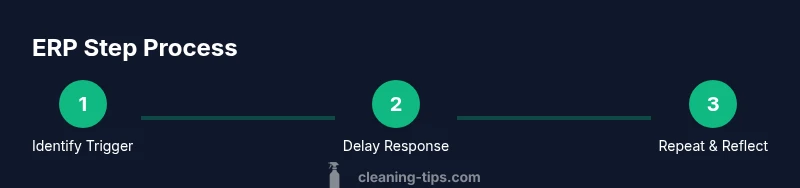
Begin with a tiny exposure task that triggers mild anxiety, paired with a plan to refrain from the compulsive response. For example, delay wiping a small spot for five minutes, then repeat with a longer delay on a different surface. Track urges, feelings, and outcomes in a dedicated journal. If anxiety rises, use a grounding technique or paced breathing to regain balance before continuing. Repeat exposures regularly, increasing duration gradually as confidence grows.
ERP is most effective when paired with a supportive routine, so schedule exposures in a calm, controlled space and avoid triggering environments. This approach helps you learn that you can tolerate distress without performing a ritual, which weakens the association over time.
Setting Boundaries: Distinguishing Cleanliness from Compulsion
Distinguish between reasonable cleaning for safety and compulsive rituals that deplete energy. Define non-negotiable tasks (e.g., sanitizing bathroom high-touch areas) and flexible elements (e.g., perfect dust-free shelves). Use a “minimum viable clean” rule for days when symptoms spike, focusing on essential areas first. Maintain a pet- and child-safe environment by choosing products and procedures that balance cleanliness with practicality.
Cleaning Tips notes that boundaries help preserve mental bandwidth. When urges pop up, pause, label the urge as OCD, and return to the plan. This labeling practice reduces power over your actions and strengthens your ability to choose behavior aligned with long-term goals.
In-the-Moment Strategies for Urges
Urges to engage in cleaning rituals tend to spike in predictable moments, such as after returning home or before guests arrive. Use a quick, evidence-based toolkit: 1) 60-second grounding (5-4-3-2-1 sensory check), 2) deep breathing (box breath or square breathing), 3) a brief exposure task, and 4) a reminder card with your minimum clean rules. Write these tools on a card kept near your cleaning area for easy access.
Remember that urges are signals, not commands. Respond with something that preserves safety and wellbeing rather than a ritual. Over time, the intensity of urges can lessen as you practice these skills.
Creating Supportive Home Routines
Share your plan with household members so they understand your boundaries and your progress. Involve others in setting cleaning expectations, such as deciding which tasks are daily, which are weekly, and which can wait. Establish a clean-as-you-go approach rather than a marathon cleaning session. Regular check-ins and a shared calendar help reduce friction and ensure accountability without judgment.
Cleaning Tips encourages involving a trusted friend or family member to observe your ERP progress and provide encouragement. Professional support remains available if you need guidance tailoring routines to your living space and daily schedule.
When to Seek Professional Help
If cleaning OCD significantly interferes with daily life, work, or relationships, seek professional help. OCD is treatable, and evidence-based therapies like ERP and cognitive therapy offer substantial relief. A mental health professional can tailor ERP tasks to your needs, monitor progress, and help you navigate setbacks calmly. If you experience intrusive thoughts with self-harm risk or if compulsions begin to impair safety, contact a clinician or crisis resource immediately.
The decision to seek help is a sign of strength, not weakness. A therapist can also help you address co-occurring conditions such as anxiety or depression, which often accompany OCD.
Exercises and Tools You Can Use
Practical exercises support the plan without requiring heavy equipment. Use a timer to structure task blocks and a small notebook for exposure journals. Create a simple, portable ERP card with brief instructions that you can reference during urges. Mindfulness practices, such as non-judgmental observation of thoughts, can reduce the fear component of contamination concerns. Pair exercises with supportive products (e.g., fragrance-free cleaners, gentle sanitizers) to minimize sensory triggers.
Safety remains paramount. If you become overwhelmed, pause and contact a professional. Your home environment should feel safe and supportive, not punitive.
Maintaining Progress and Avoiding Relapse
Progress with OCD is ongoing, and lapses can occur. Plan for maintenance by scheduling periodic ERP refreshers, keeping a visible routine, and continuing journaling to monitor urges and outcomes. Revisit your minimum-clean rules to ensure they still fit your needs, and adjust as your tolerance grows. Celebrate small victories and treat setbacks as learning opportunities rather than failures. Regular check-ins with a therapist can help prevent relapse and reinforce healthier habits.
Cleaning Tips reminds readers that sustaining change requires patience and consistency. Small, steady steps accumulate into lasting improvements, including a more balanced approach to cleaning at home.
Tools & Materials
- Timer(Set fixed work intervals (e.g., 5-15 minutes) to pace sessions.)
- ERP/CBT exposure worksheet(Track urges and responses during exercises.)
- Calming toolkit (breathing app, grounding script)(Use during urges to maintain regulation.)
- Checklist for flexible cleaning tasks(Define non-negotiables vs flexible routines.)
- Notepad and pen(Note progress and urges between sessions.)
- Access to mental health professional (optional)(For guidance if OCD symptoms persist or worsen.)
Steps
Estimated time: Approximately 60-90 minutes per week for the initial four weeks, with ongoing maintenance.
- 1
Define your goal
Identify a concrete, achievable objective for this plan (e.g., reduce ritual cleaning by 50% over four weeks). Write it down and revisit it weekly. Establish how you’ll measure progress without relying on perfection.
Tip: Keep goals specific and time-bound to avoid vague expectations. - 2
Identify triggers
List scenes, times, or sensations that tend to trigger cleaning urges. Note whether the trigger is environmental, emotional, or cognitive. Prioritize the top three triggers to address first.
Tip: Label triggers with a brief phrase to make them easy to recall during sessions. - 3
Plan a small ERP task
Choose a trigger and design a tiny exposure that delays the cleaning response. Start with a delay of 5 minutes and gradually extend as tolerated. Document feelings before, during, and after.
Tip: Use a timer to enforce the delay rather than relying on memory. - 4
Schedule your exposure window
Block a dedicated time for ERP practice each day or several times per week. Consistency matters more than intensity. Keep sessions short enough to prevent overwhelm.
Tip: Pair ERP with a grounding routine to anchor attention between tasks. - 5
Execute exposure with response prevention
During the task, do not perform the usual cleaning ritual. Practice coping strategies (breathing, grounding, self-talk) to tolerate the urge. Return to ordinary activity when the urge subsides.
Tip: If the urge becomes unmanageable, pause and resume later to prevent frustration. - 6
Record urges and outcomes
Log intensity on a simple scale (e.g., 0-10) and note what helped reduce distress. Look for patterns over time to refine which exposures are most effective.
Tip: Review entries weekly to adjust difficulty and pacing. - 7
Reflect and adjust plan
Assess which exercises produced the best balance between safety and reduced compulsions. Modify goals, triggers, and exposure tasks based on experience. Celebrate progress without judging lapses.
Tip: Use flexible thinking: progress is non-linear and personal. - 8
Integrate into daily life
Incorporate the new habits into everyday routines, not just dedicated ERP sessions. For example, after entering a room, perform a quick, universal cleaning task rather than ritualized acts. Maintain a supportive environment.
Tip: Keep a visible set of guidelines to remind yourself of your boundaries.
Questions & Answers
What is cleaning OCD and how does it differ from normal cleaning?
Cleaning OCD involves intrusive thoughts about contamination that drive compulsive cleaning beyond what is reasonable. It differs from normal cleaning by causing significant distress and impairment, and it typically requires a structured treatment approach like ERP and CBT.
Cleaning OCD is a pattern where intrusive fears lead to repetitive cleaning, causing distress and impairment. It often needs therapy like ERP to reduce compulsions.
Is ERP safe to do at home?
ERP can be practiced at home with careful planning and guidance. However, initial sessions are often supervised by a therapist to ensure tasks are appropriately challenging and do not overwhelm you. Consult a professional before starting a new ERP plan.
ERP can be done at home with the right plan, but a clinician can help tailor it safely.
Can cleaning OCD be cured completely?
OCD is typically managed rather than cured in a short timeframe. With consistent ERP, CBT, and supportive routines, many people experience substantial symptom reduction and improved functioning over time.
Many people achieve substantial relief through therapy and steady routines, though ongoing practice is often needed.
How long does it take to see progress with ERP?
Progress varies, but many individuals notice reductions in symptoms after several weeks of regular ERP practice. Consistency and professional guidance can influence the rate of improvement.
You may start noticing changes after a few weeks with consistent practice and support.
When should I seek professional help for OCD symptoms at home?
Consider professional help if OCD symptoms persist, worsen, or interfere with daily life. A clinician can provide a structured treatment plan and monitor safety and progress.
If symptoms persist or disruption increases, seek professional guidance.
What safety considerations should I keep in mind during home-based ERP?
Ensure ERP tasks are balanced with self-care and do not lead to harm or extreme distress. If you feel overwhelmed, pause and seek support. Avoid isolating yourself during challenging periods.
Balance ERP with self-care and reach out for support if distress becomes high.
Watch Video
The Essentials
- Start with small, structured ERP tasks.
- Differentiate safety cleaning from OCD-driven rituals.
- Use a flexible plan and track urges to measure progress.
- Seek professional help if symptoms hinder daily life.