How to Get Clean Water in Green Hell
Learn practical, step-by-step methods to obtain clean water in Green Hell: identify sources, purify safely, boil water, collect rain, and store it properly for jungle survival.


To get clean water in Green Hell, start with a safe water source and purify it before drinking. Your quickest path is to boil water in a pot over a fire, then store it in a container. If you lack a pot, gather rainwater or use improvised filtration techniques and always boil for safety. Staying hydrated reduces risk of illness while exploring the jungle.
Why clean water matters in Green Hell
In Green Hell, staying hydrated is essential for survival, stamina, and overall health. Clean water helps your character avoid dehydration penalties and keeps you exploring longer between rests. According to Cleaning Tips, prioritizing water safety reduces the risk of ailments that slow you down in the jungle. The game's environment presents many challenges: streams can be murky, rain can be unreliable, and contaminated sources are common near river bends or after storms. By understanding the value of clean water and the simplest purification methods, you’ll spend less time stockpiling and more time for exploration and problem-solving. This article breaks down practical, repeatable steps that work in the field, with clear gear lists, quick methods, and safety checks you can apply in any biome. Whether you’re building a base camp or roaming the canopy, water quality is a top priority for sustained progress.
Water sources you can rely on in Green Hell
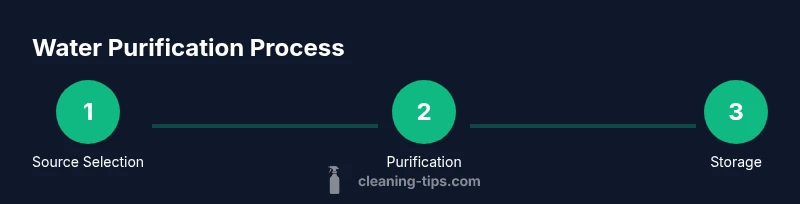
Successful water gathering starts with source selection. Look for clear, flowing streams rather than stagnant ponds, but remember that even moving water can harbor unseen contaminants. Rainwater is a valuable supplement, especially during long expeditions, and it’s often easier to purify. Dew collected on leaves can provide a tiny reserve when you’re without gear, though it won’t sustain you for long. In addition to natural sources, fruits like coconuts sometimes store drinkable liquid that can be consumed directly or emptied into a container. The key is to treat whatever you collect: assume that most natural sources are not safe to drink straight away and plan a purification step before consumption. Over time, you’ll learn which routes give you reliable hydration with the least risk.
How pathogens affect your in-game health
Drinking unpurified water in Green Hell can lead to fatigue, dizziness, and reduced stamina, which compounds the challenges of hunting, crafting, and navigating. Prolonged exposure to contaminated water can slow your progress and increase the chance of illness during critical moments. A practical rule is to minimize exposure by carrying a dedicated water container and purifying every batch you intend to drink or cook with. Boiling removes most biological threats, while improvised filtration can reduce particles and turbidity. The Cleaning Tips team recommends treating any suspicious water with at least one purification step—boiling is the most reliable, but combining methods adds a safety margin. The goal is to keep your hydration steady without becoming dehydrated or undernourished while you adapt to the jungle’s demands.
Essential gear for clean water collection
Before you head into the wettest parts of the map, assemble a compact hydration kit. At minimum, you’ll want a sturdy pot with a lid, a clean container to store purified water, and a reliable fire source for boiling. Bring a cloth or bandage for quick pre-filtering if you lack a dedicated filter, plus a small knife or tool to prepare containers and cut kindling. A lightweight tarp can help collect rainwater, while a durable cup or bottle makes sipping on the move easier. If you’ve unlocked more advanced tools, a simple DIY filtration setup can add an extra safety layer. The goal is to balance small, efficient gear with the flexibility to purify water in different environments. Keep your kit compact but robust so you’re never caught without a safe source of hydration.
Boiling: the most reliable purification method
Boiling is the backbone of water safety in Green Hell. When you heat water to a rolling boil, most pathogens are killed, and the liquid becomes safe to consume or cook with. Start by filling your pot with the source water and placing it over your fire. Bring it to a vigorous boil, then maintain that boil for a minute or two to ensure safety, cooling before you transfer it to a clean container. If you don’t have a pot, pouring water through a clean cloth into a container won’t purify it, but it’s a useful interim step when combined with another method. After boiling, seal the water in a closed container and wait until it has cooled to a safe drinking temperature. This method is dependable, scalable, and compatible with ongoing scavenging and base-building.
Improvised filtration options you can use in the field
If a boiling setup isn’t available, you can improve water safety with improvised filtration. A clean cloth can remove larger particles, and layered filtration using sand or charcoal can reduce sediment and some impurities. Pour water through a cloth first, then through a makeshift sand-charcoal filter if you have the materials. Remember: filtration reduces turbidity and some contaminants but may not eliminate all pathogens, so always follow with boiling if possible. This approach is faster and enables you to keep moving when you’re pressed for time, but it should not replace boiling when you can do it. Practice the technique with calm, controlled steps to minimize waste and maintain a clean work area.
Collecting rainwater and dew safely
Rainwater collection is a smart backup in Green Hell, particularly in the wet season. Set up a tarp or wide leaf to channel rain into a clean container, and avoid water that drips from dirty surfaces. Dew can provide a tiny supplemental source, but it’s not sufficient on its own. For dew, wipe a cloth across leaves or capture droplets with a clean cloth or shade structure, then wring into your container. Always purify collected rainwater before drinking, even if it looks clean, to avoid surprises from airborne contaminants. By building simple, reliable collection setups, you’ll reduce your dependence on unpredictable streams and improve your overall hydration strategy.
Storing clean water safely
Storing purified water properly protects your hydration supply over time. Use a clean, sealed container and avoid leaving water in open bowls that can collect dust or insects. Label containers when possible and rotate your stock if you’re accumulating multiple batches. If you’ll be away from base, consider filling lightweight canteens and bringing them with you, so you don’t waste time returning to a source. When rehydrating after exertion, take small sips and pace your intake to match your activity level. Keeping the storage system simple and sealed minimizes contamination risk and ensures you maintain hydration during long expeditions.
Handling multiple water sources and red flags
When you're juggling several water sources, take a consistent approach: purify each batch, avoid cross-contamination, and store separately to track which has been treated. Red flags include unusual color, strong odor, or floating debris—these cues suggest possible contamination and warrant boiling or discarding the source. If water looks suspicious, err on the safe side and purify with multiple methods or skip it entirely. By applying a disciplined habit of gathering, purifying, and storing water, you’ll reduce risk and preserve energy for essential tasks like building shelter or hunting.
Common mistakes to avoid
New players often boil water too briefly, skip purification steps, or reuse dirty containers, which defeats the purpose of purification. Don’t assume moving water is always clean; even streams can carry contaminants after rainfall. Avoid letting your purification process become a bottleneck—pair boiling with filtration when possible. Always check containers for cracks or leaks that could reintroduce contaminants. Finally, practice the workflow in a calm, controlled environment before you explore far from base.
Quick-check hydration readiness and next steps
For steady hydration, establish a simple routine: locate a source, purify, store, and check your containers before each expedition. Keep a small reserve in your inventory and refresh it at safe sources after long treks. The Cleaning Tips team recommends rehearsing this routine during low-risk practice sessions so you can respond quickly during tense moments. With a reliable water plan, you’ll stay energized for crafting, exploring, and sustaining your shelter in Green Hell.
Tools & Materials
- Pot with lid(Essential for boiling and storage)
- Clean drinking container (canteen or bottle)(For transporting purified water)
- Fire source (matches, lighter, or tinder bundle)(Needed to boil water)
- Water collection cup or bowl(Transfers water to pot or filtration setup)
- Cloth or bandage(Pre-filter if you lack a dedicated filter)
- Kindling and dry wood(Sustain a stable fire for boiling)
- Tarp or leaves for rainwater collection(Useful for harvest during rain)
Steps
Estimated time: 25-40 minutes
- 1
Gather gear and locate a water source
Collect your pot, container, fire starter, and a clean surface. Scout for a nearby water source such as a stream or rain-ready area. This minimizes backtracking and keeps your hydration plan efficient.
Tip: Keep your kit light but complete; losing time to searching is costly. - 2
Fill the pot with water from the source
Carefully scoop water into the pot, avoiding obvious debris when possible. Place the pot on your chosen cooking surface but don’t crowd the fire. A clean starting point improves boil consistency.
Tip: Do not overfill; it can cause spills and waste fuel. - 3
Build a stable fire and bring to a boil
Light the fire and set the pot above the flames. Increase heat until the water reaches a rolling boil, then maintain for 1–2 minutes. This step neutralizes most pathogens and makes the water safe to drink.
Tip: A steady, controllable flame saves fuel and reduces smoke. - 4
Cool and transfer to a clean container
Remove the pot from heat and let it cool briefly. Pour the boiled water into a clean container or your canteen, ensuring no recontamination occurs during pouring.
Tip: Use a funnel if available to minimize spills. - 5
If no pot, pre-filter then substitute purification
If your pot isn’t available, pre-filter water through a cloth, then attempt an improvised filtration (sand/charcoal) before boiling later when you can access a cooking vessel.
Tip: Filtration is a supplementary step, not a replacement for boiling when possible. - 6
Store the purified water safely
Seal the container and store in a cool, shaded area. Label multiple batches if you’re stocking water for a trip and rotate supplies to keep it fresh.
Tip: Keep containers sealed to prevent recontamination. - 7
Reassess hydration after exertion
Check your thirst, endurance, and energy levels before continuing. Hydration is a dynamic need; adjust intake based on activity and climate.
Tip: Pace water intake to avoid overhydration or underhydration.
Questions & Answers
What is the quickest way to get clean water in Green Hell?
The fastest path combines locating a water source and boiling the water in a pot. If a pot is unavailable, collect rainwater and purify it with filtration while you prepare boiling equipment for a more reliable result.
Find a water source, boil it in a pot, and store safely. If you lack a pot, use rainwater and pre-filter as a fallback while you set up boiling.
Can I drink water without boiling it in Green Hell?
Drinking unboiled water poses health risks. Always purify water through boiling or a validated filtration method before drinking or cooking with it.
Drinking unboiled water is risky; purify it first.
What if I don’t have a pot?
Without a pot, prioritize rainwater collection and improvised filtration. Boiling remains the safest step, once you secure a vessel, or wait until you can craft one.
If you don’t have a pot yet, collect rainwater and filter; boil later when you can.
How long should water be boiled to be safe?
Boil until a rolling boil is sustained, then keep it at boil for about 1–2 minutes to ensure safety. If you’re using a makeshift setup, extend boiling time if you’re uncertain about source quality.
Boil for a minute or two after it’s rolling.
Are rainwater and dew safe to drink in Green Hell?
Rainwater is a strong supplemental source but should be purified. Dew is useful for small, immediate hydration but isn’t a stand-alone solution.
Rainwater should be purified; dew can help, but isn’t enough by itself.
How should I store purified water during a long expedition?
Store purified water in sealed containers and rotate supplies to keep them fresh. Avoid leaving water in open containers where contaminants can re-enter.
Keep it sealed and rotate supplies.
Watch Video
The Essentials
- Boil water whenever possible to kill pathogens.
- Prioritize reliable sources and avoid stagnant water.
- Store purified water in sealed containers to prevent contamination.
- Combine filtration with boiling for added safety.
- Practice the water workflow under safer conditions to speed up real missions.