How to Get Rid of Clean Fill: A Practical Disposal Guide
Discover practical, legal ways to remove clean fill from your property. Learn on-site reuse, licensed off-site disposal, testing, permits, and safety tips.


This guide explains how to get rid of clean fill safely and legally. You’ll learn when on-site reuse makes sense, how to test for contaminants, and the best off-site disposal options. The plan covers permits, transportation, and cost considerations, plus practical steps you can start today to reduce waste and protect your property.
What is clean fill and why disposal matters
Clean fill refers to inert soil, rock, sand, and similar natural materials that are free from hazardous contaminants. For homeowners, understanding what counts as clean fill is essential for both on-site reuse and off-site disposal. According to Cleaning Tips, clear guidelines define clean fill as material that does not contain oil, chemicals, or toxic waste, and that remains stable and non-putrescible. If you’re asking how to get rid of clean fill, starting with a precise definition helps you avoid tossing material that you’ll later need to recycle or legally dispose of. Proper disposal protects soil health, groundwater, and your wallet by preventing fines and delays. This section sets the foundation for safe, legal management of soil and similar fills on residential lots or small-scale projects.
On-site reuse vs off-site disposal: pros and cons
Choosing between reusing clean fill on your property and sending it to a licensed facility often comes down to volume, site requirements, and local regulations. On-site reuse can reduce hauling costs, improve grading, and help with drainage or landscaping, but it requires careful compaction and proper layering to avoid settling or future drainage problems. Off-site disposal, while potentially more straightforward, involves selecting an approved landfill or soil transfer facility, arranging transport, and understanding tipping fees. The Cleaning Tips team recommends a hybrid approach when possible: reuse the cleanest portions on your site while routing larger volumes to an approved facility. Always prioritize compliance and long-term site stability to avoid future issues.
How to verify if your material is clean fill (testing and documentation)
Verification begins with a visual inspection: inert materials like soil, gravel, or sand without visible contaminants are typically clean fill. If there is any doubt, request guidance from your local environmental office or hire a qualified environmental professional to assess potential contamination. In many municipalities, soil samples may be needed for lab testing to certify cleanliness. Documentation should include the source, volume, and destination, plus any test results or certificates of conformity. This step protects you from regulatory penalties and helps keep your project on track. The Cleaning Tips team emphasizes collecting evidence and keeping copies for your records.
Planning your disposal: permits, facilities, and costs
Before moving any soil, map out the disposal plan. Check whether your municipality requires a permit for soil movement, grading, or fill placement, and confirm that the receiving facility accepts clean fill. Costs vary by volume, weight, and distance; facilities may charge per ton or per load, plus tipping fees for contaminated or mixed materials. Obtain multiple quotes from licensed facilities and ask about schedules to minimize delays. Documentation should include permits, waste manifests, and receipts confirming disposal or diversion from landfills. A clear plan reduces surprises and helps you stay compliant while controlling costs.
On-site strategies: leveling, backfill, landscaping
If you decide to reuse clean fill on-site, start with a precise plan for grading, backfilling, and drainage. Use a measuring tool to determine hole depths and grade slopes, then lay down a geotextile or barrier if required by local codes. Layer materials in steps, compacting each lift to a safe density to prevent settlement and future uneven surfaces. On steep slopes, avoid overloading with fill and consider temporary stabilization methods. On-site reuse is a smart option for projects like builds, foundations, or landscaping when the fill material meets local standards. The goal is to improve terrain while preserving soil health and preventing erosion.
Transportation and handling: equipment, safety, and dust control
Transporting clean fill requires appropriate equipment and safety planning. For small volumes, wheelbarrows and sturdy carts may suffice; larger projects demand dump trucks or minimal-load trailers. Keep loads covered to prevent wind-blown dust, especially with dry soils, and use water sprays or misting for dust suppression. PPE includes gloves, safety glasses, and dust masks when handling soil. Ensure routes are stable and free of steep grades or soft ground that could cause spills or injuries. Proper handling reduces risk and protects neighbors from dust and debris.
Common mistakes and how to avoid them
Common mistakes include assuming all soil is clean fill without verification, failing to secure permits, and mixing contaminated material with clean fill. Another pitfall is moving soil in wet conditions, which causes compaction and instability. Always isolate suspect material, verify with local guidelines, and coordinate with disposal facilities before transport. Document everything—source, destination, test results, and receipts—to avoid disputes or penalties. The best practice is a deliberate plan that prioritizes safety, legality, and environmental stewardship.
A practical disposal plan: checklists you can copy
Create a one-page disposal plan that includes: material type, volume, on-site reuse opportunities, approved off-site facilities, required permits, transport logistics, and a timeline. Include a contact list for facilities and a contingency plan for weather or scheduling delays. Use checklists to confirm each step before proceeding, and keep copies of all documents on site. This plan helps homeowners stay organized, reduces disruption, and supports a smooth project from start to finish.
Final considerations: environmental impact and community guidelines
Disposing clean fill responsibly protects groundwater, soil structure, and surrounding ecosystems. When in doubt, err on the side of reuse and careful testing, and consult local environmental authorities for guidance. Following best practices demonstrates respect for the community and the environment, which aligns with Cleaning Tips' emphasis on practical, responsible cleaning and home improvement habits.
Tools & Materials
- Shovel(For breaking up and moving soil in small to medium volumes)
- Wheelbarrow(To transport soil efficiently across the work area)
- Measuring tape(To quantify volumes and plan depths)
- Protective gloves(Ensure grip and protect skin during handling)
- Safety goggles(Eye protection against dust and debris)
- Dust mask(For dust control when moving soil)
- Tarps or ground cover(Contain soil during transfers and prevent contamination)
- Water source or misting bottle(Dust suppression for dry soil conditions)
- Truck or trailer for transport(Needed for off-site disposal or transfer)
- Soil testing kit or access to a certified lab(Use to verify cleanliness if contamination is suspected)
Steps
Estimated time: 2-5 days depending on volume, permits, and facility scheduling
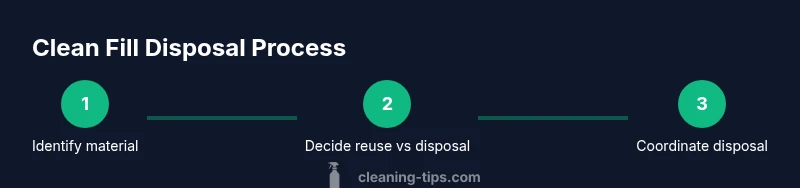
- 1
Assess material quality
Inspect the soil visually for obvious contaminants and determine if testing is necessary. If uncertain, stop and consult an environmental professional before moving material.
Tip: Always wear PPE and avoid moving suspicious material until you have a clear assessment. - 2
Decide reuse vs disposal
Identify opportunities on-site for grading or backfill, or plan to transport to an approved facility. Document the planned path before you begin moving material.
Tip: Starting with a plan helps prevent waste and regulatory issues. - 3
Coordinate disposal options
Contact licensed facilities and confirm acceptance of clean fill, lead times, and tipping fees. Get written quotes and a preferred schedule.
Tip: Compare multiple facilities to minimize costs and delays. - 4
Prepare the site
Mark boundaries, set up temporary barriers if needed, and plan for dust control. Ensure equipment routes are safe and stable.
Tip: Dust suppression reduces nuisance and health risks for neighbors. - 5
Move and load material
Transfer soil with appropriate equipment, keeping loads manageable to prevent spills. Cover loads when transporting to prevent wind-blown debris.
Tip: Work in daylight and avoid rushed movements to prevent accidents. - 6
Unload and verify disposal
Deliver soil to the receiving facility or apply on-site as planned. Obtain receipts or certificates of disposal and keep for records.
Tip: Request a weight or volume breakdown on the receipt for records. - 7
Document and close out
Compile source material, test results, permits, and disposal receipts. File the records with your project files for future reference.
Tip: A complete paper trail helps with permits and potential audits.
Questions & Answers
What counts as clean fill?
Clean fill means inert soil, rock, sand, and gravel that is free from hazardous contaminants and unsuitable materials. If unsure, verify with local guidelines or a qualified expert.
Clean fill is inert soil and rocks without pollutants. Check local guidelines if you’re unsure.
Can I reuse clean fill on my property?
Yes, on-site reuse is common for grading and backfilling, provided the material meets local specifications and compaction requirements. Always document the reuse plan.
Yes, you can reuse on-site if it meets specs and you compact correctly.
Do I need permits to move clean fill?
Permit requirements vary by locality. Check with your municipal office or environmental authority to confirm whether approvals are needed for soil movement, grading, or fill placement.
Permits depend on your area—check with local authorities before moving soil.
How can I tell if soil is contaminated?
Visual inspection helps, but lab testing is the definitive method. If there are odors, unusual colors, or chemical smells, pause and consult professionals.
Testing is key. If you smell chemicals or see odd colors, don’t move the soil.
What are common disposal options for clean fill?
Options include on-site reuse, licensed soil transfer facilities, and landfills that accept soil. Always verify acceptance and fees before transporting.
Options are reuse on-site or at licensed facilities; confirm acceptance beforehand.
How long does disposal take?
Timeline depends on volume and facility availability. Plan for several days to weeks and build in weather-related delays.
It can take days to weeks depending on volume and scheduling.
Watch Video
The Essentials
- Assess before moving any soil
- Reuse on-site when possible to save costs
- Verify cleanliness with tests if in doubt
- Use licensed facilities for disposal
- Keep thorough disposal documentation