How to Get Rid of Cleaning Product Smell: A Practical Guide
Learn proven, safe methods to eliminate lingering cleaning-product odors from your home. Step-by-step tips, tools, and testing to keep indoor air fresh.


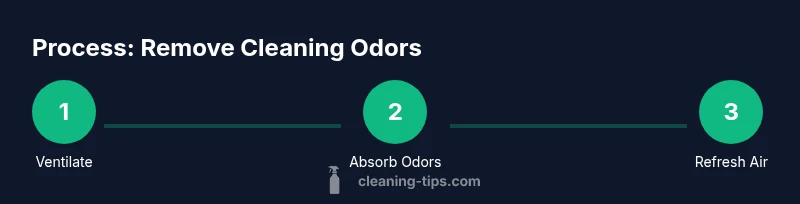
To get rid of cleaning product smell, start with ventilation, remove the odor source, and neutralize remaining vapors with odor absorbers. According to Cleaning Tips, airing out the space and using unscented products is the fastest path to fresh air. This guide then provides a step-by-step approach, the tools you’ll need, and practical room-by-room tips.
The science behind odors from cleaning products
Cleaning products release volatile organic compounds (VOCs) and fragrance compounds. When you clean, residues can cling to fabrics, carpets, and porous surfaces, releasing smells over time especially in poorly ventilated rooms. Understanding this process helps you target the right fixes rather than just masking the odor. The phrase how to get rid of cleaning product smell is often answered by multistep ventilation, absorption, and careful restocking of supplies. According to Cleaning Tips, the first line of defense is airflow: open windows, run the exhaust, and keep doors between rooms open to promote cross-ventilation. Secondary measures involve neutralizing agents that bind odors rather than just adding perfume. In practice, you can lower vapor levels by using mugs of water near the source, placing bowls of baking soda or activated charcoal, and choosing fragrance-free cleaners for ongoing tasks. By combining ventilation with absorbers, you reduce exposure and make the space feel fresher more quickly.
Immediate actions to reduce odor right now
When a cleaning product smell hits, time matters. Start by opening all possible windows and turning on fans to create cross-ventilation. Move fabrics, towels, and textiles away from the source if possible, as they can absorb vapors. If the smell is strong, avoid using additional products that add fragrance. Wipe surfaces with plain water or a mild, unscented cleaner and finish with a quick dry. For spaces with lingering vapors, place bowls of baking soda or activated charcoal on countertops or near vents. These absorbers pull odor molecules from the air without masking them with perfume. Always supervise pets and children around strong smells and test a small area first if using any new product. This is a practical way to begin the process of how to get rid of cleaning product smell.
Neutralizing odors with safe household agents
Baking soda is a classic odor absorber because it binds to odor molecules. Sprinkle it on carpets or dust surfaces, leave it for 15-30 minutes, then vacuum. White vinegar diluted with water can neutralize alkaline residues that linger after cleaning; use it on hard surfaces but avoid mixing with bleach. Activated charcoal also works well in bowls around the room. Place a few bowls in the laundry room, kitchen, and living area if the space is small, or use a coffee filter with charcoal for strong odors. For soft surfaces, sprinkle baking soda, let sit, then vacuum or wash when possible. The goal is to remove the source of the odor rather than masking it with strong scents. In our Cleaning Tips analysis, neutralizers paired with good ventilation dramatically reduce the time needed to remove odors.
Ventilation and airflow optimization across rooms
Ventilation is the single most effective tool for reducing cleaning-product odors. In kitchens and bathrooms, run a exhaust fan for at least 15-20 minutes after cleaning, and keep interior doors open to encourage air exchange. If your home has multiple rooms, set up a corridor flow: air moves from rooms with open windows to freshly aired rooms. Use portable fans to direct air toward exterior vents. For larger spaces, consider temporary air purifiers with HEPA filters to capture fine particles and odors. While fans move air, ensure filters are clean and that you are not blowing dust around. By prioritizing airflow, you expel odor molecules more quickly, aligning with the central question of how to get rid of cleaning product smell.
Room-specific strategies: kitchen, bathroom, laundry
In the kitchen, odors often originate from dish soaps, degreasers, and disinfectants. After cleaning, wipe surfaces with water and a tiny amount of unscented soap, then rinse and dry. In the bathroom, keep a small basin of baking soda near the sink and replace it every few days to absorb humidity and smells. In laundry areas, remove damp towels promptly and run an empty wash cycle with hot water and a quarter cup of baking soda to refresh fabrics. For fabrics and textiles, consider airing out cushions or throwing covers outside on a dry, breezy day. These room-specific strategies reduce how to get rid of cleaning product smell by targeting the place where smells settle.
Choosing products that minimize odor in the first place
Select fragrance-free or unscented formulas whenever possible, especially for bathrooms and kitchens. Read labels to check if a product lists natural fragrances or masking agents; opt for products with fewer added scents. When testing a new cleaner, open a window and apply in a small area first to gauge odor release. Replacing strong-smelling products with odor-neutral options can dramatically reduce the need for post-cleaning odor management. The goal is proactive odor control, not reactive masking, which aligns with Cleaning Tips practical approach to home maintenance.
Safe handling practices to prevent odor buildup
Always store cleaners in a well-ventilated cabinet with a tight lid. Keep bleach away from ammonia-based products, and never mix cleaners in the same container. Label everything clearly and dispose of empty cans promptly to minimize stale odors. Use gloves and masks if you’re sensitive to fumes, particularly when cleaning enclosed spaces. Regularly clean storage areas, wipe down spills immediately, and air out the space after cleaning. This proactive approach reduces the chance of odors building up and helps you maintain a neutral indoor environment. The strategy follows the basic safety guidelines and ties back to how to get rid of cleaning product smell during routine maintenance.
How to test if the odor is gone
After you’ve ventilated and absorbed odors, perform a controlled test. Return furnishings and textiles to their places and sniff at different heights and distances from the source. If you still notice a faint scent, repeat the absorbers and ventilation steps for another 15-30 minutes and recheck. In spaces with high humidity, odors may linger longer; consider a brief dehumidifier run to improve air quality. Once you can’t detect the smell, consider it resolved and resume normal activities. This practical testing step helps ensure you’re following the path to how to get rid of cleaning product smell.
Common mistakes that can make odors linger
Common mistakes include overusing fragrance sprays, leaving cleaning products open, and neglecting to ventilate after cleaning. Another pitfall is storing products in dark, closed cupboards where vapors accumulate. Finally, assuming every odor bump is from the newest product; sometimes residual odors from older supplies stay in fabrics and carpets. By avoiding these mistakes, you’ll reduce the need for aggressive deodorizing and keep your home smelling clean longer. Remember, the most reliable path to real odor removal is reducing exposure and improving airflow, a principle that guides how to get rid of cleaning product smell.
Tools & Materials
- Mask or respirator(N95 or equivalent if sensitive to fumes)
- Disposable gloves(Latex-free if you have allergies)
- Window/exhaust fan(Position to pull air out of room)
- Microfiber cloths(For wiping surfaces and fabrics)
- Spray bottle(For mixing water and vinegar if used)
- Baking soda(Use 1 cup for small rooms; adjust for space)
- White vinegar(Dilute 1:1 with water for surfaces)
- Activated charcoal(Place bowls around room)
- Coffee grounds(Optional odor absorber for strong smells)
- Small bowls or containers(For absorbers like baking soda or charcoal)
- Dehumidifier (optional)( speeds up odor removal in humid spaces)
Steps
Estimated time: 60-90 minutes
- 1
Ventilate the space
Open all possible windows and run the exhaust fan to establish cross-ventilation. This reduces vapor concentration quickly and helps you judge the odor more accurately. Always start ventilation before applying absorbers or cleaners.
Tip: Aim for continuous airflow for at least 20–30 minutes. - 2
Identify and secure the source
Locate the cleaning product involved and remove it from reach if possible. Close the container tightly and store it in a cool, ventilated area to prevent ongoing off-gassing.
Tip: Keep lids closed and separate from other cleaners to avoid reactions. - 3
Wipe surfaces and reduce coverage
Wipe exposed surfaces with plain water or an unscented cleaner, then dry. Avoid introducing additional fragrances that can complicate the odor profile.
Tip: Rinse cloths frequently to prevent re-depositing odors. - 4
Absorb odor with baking soda or charcoal
Place bowls of baking soda or activated charcoal in strategic spots and let them sit for 15–30 minutes or longer for strong odors. This step reduces airborne odor molecules without adding fragrance.
Tip: Move absorbers as air moves to speed up removal. - 5
Neutralize with vinegar (where appropriate)
For alkaline residues or sticky surfaces, use a diluted white vinegar solution. Do not mix with bleach and avoid applying to porous materials that can absorb the smell.
Tip: Test a small area first to ensure no damage. - 6
Refresh the air
If the space still carries a faint scent, run the ventilation longer and consider a gentle essential-oil diffuser only if household members tolerate fragrance. Use sparingly and shut off if any irritation occurs.
Tip: Limit fragrance to a single, light source. - 7
Test the space
Sniff from different heights and distances after airing. If odor persists, repeat absorbers and ventilation steps for another 15–30 minutes.
Tip: Don’t over-wet fabrics; dampness can create new odors. - 8
Wrap up and store properly
Return textiles and furnishings to their places and store cleaners with lids tightly closed in a ventilated cabinet. Regularly re-evaluate odors after future cleaning tasks.
Tip: Create a simple routine to air out spaces after cleaning.
Questions & Answers
Why does a cleaning product smell linger after cleaning?
Odors linger because volatile organic compounds and fragrance components continue to off-gas from cleaners and absorb into fabrics and surfaces. Adequate ventilation helps clear these vapors faster.
Odors stick around when vapors stay in the air or fabrics; airing out the room usually speeds up the clearing.
Is it safe to mix baking soda and vinegar to remove odors?
Baking soda and vinegar can be helpful separately, but avoid mixing them in the same cleaning step since they cancel each other out in odor removal and can foam up.
They’re fine separately, but don’t mix them together at the same time.
How long does it take for odors to go away?
Time varies by space and ventilation; smaller rooms clear more quickly, while large or high-humidity areas may take longer. If in doubt, extend ventilation.
It can take from minutes to a few hours depending on airflow and humidity.
What should I do if the smell is in textiles?
Move textiles outdoors to air out, or wash fabrics in a fragrance-free cycle. Baking soda can be sprinkled on carpets before vacuuming.
If the smell lingers in fabrics, give them a quick wash or a good airing outdoors.
Should I use an air purifier to help odors?
An air purifier with a HEPA filter can help capture odor particulates in the air, especially in small or poorly ventilated rooms. It’s a supplementary aid, not a sole solution.
An air purifier can help, but ventilation and absorbers are more effective on odors.
Watch Video
The Essentials
- Ventilate early and often to remove odors
- Use baking soda or charcoal to absorb smells
- Choose fragrance-free products to minimize odors
- Avoid mixing cleaners to prevent hazardous fumes
- Test room odor after airing before reoccupying