How to Get Rid of Cleaning Products: Safe Disposal Guide
A practical, safety-first guide to disposing of cleaning products responsibly, including storage, recycling options, local hazardous waste programs, and how to avoid contaminating water systems.


Properly disposing of cleaning products reduces chemical waste and protects your home and water supply. In short, don’t pour cleaners down sinks or drains; check local hazardous-waste programs; follow product labels; and choose safe disposal options. According to Cleaning Tips, you’ll often find household hazardous waste collection days or drop-off sites that accept cleaners, solvents, and aerosols.
Why Getting Rid of Cleaning Products Matters
If you’re wondering how to get rid of cleaning products, the answer isn’t just about convenience—it’s about safety, health, and the environment. Cleaning products contain chemicals that can harm people if misused and contaminate water if dumped into drains. The Cleaning Tips team found that many households underestimate how long these products persist in landfills or waterways, especially concentrated solvents, aerosols, and older mixes. Proper disposal reduces exposure risks for children and pets, minimizes air and soil contamination, and supports safer recycling streams. By treating cleaning-product waste as a controlled material, you help protect indoor air quality and downstream ecosystems. In short, responsible disposal saves you time and money in the long run, and it aligns with best practices published by environmental agencies. This guide focuses on practical, real-world steps you can take today to handle leftover cleaners with confidence.
Assessing Your Current Inventory
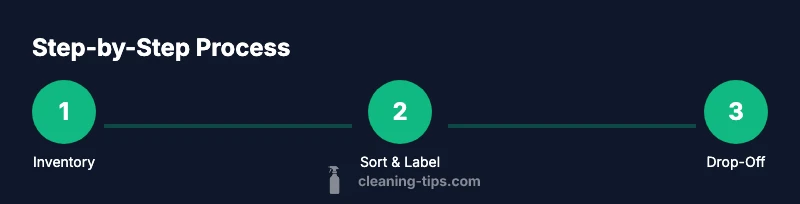
Start by gathering every cleaning product you still have. Make three piles: keep, dispose, and recycle where applicable. Read labels for guidance on disposal and check if the product is considered hazardous. Group items by type: liquids, aerosols, gels, solids (like powders), and concentrated concentrates. Note any safety warnings, like "flammable" or "do not mix with other cleaners." If you’re unsure about a product’s classification, treat it as potentially hazardous and verify with local guidelines. Cleaning Tips recommends creating a simple inventory sheet listing product name, type, and disposal method. This step not only simplifies the disposal process but also helps you design a plan for future purchases to minimize waste.
Safer Disposal Options by Product Type
Different products require different disposal paths. Household cleaners labeled hazardous or flammable usually go to a local household hazardous-waste facility or special collection events. Non-hazardous products can often be disposed of with regular household waste, or emptied and rinsed for recycling depending on local rules. Aerosols should never be punctured or incinerated; instead, take them to a designated e-waste or hazardous-waste drop-off when available. Solvents and degreasers may require take-back programs or dedicated disposal days. If a product is unknown, contact your city or county’s waste authority for guidance. Regardless of type, keep containers closed, upright, and away from heat during transport.
What Not to Do: Common Mistakes
Avoid pouring liquids down the drain or toilet, which can pollute water supplies and septic systems. Do not mix different cleaners, especially acids with bleaches or ammonia, as dangerous gases can form. Do not store large volumes of cleaners in hot areas or near children and pets. Do not ignore local guidelines just to save a trip to disposal site; improper disposal can lead to fines or environmental harm. Finally, never burn or incinerate cleaning products; this releases toxic fumes and residual chemicals into the air.
How to Prepare for Drop-Off or Pickup
Before you go, inventory items one more time and assemble them in clearly labeled bags or boxes. Use leak-proof containers for liquids, keep caps on tight, and place aerosols in upright, stable cartons. Bring any relevant receipts or label copies to speed processing at the collection site. If you’re scheduling a pickup, confirm the accepted product types, hours, and any fees. Wearing gloves and a mask can protect you from fumes during transport. Finally, plan your route to minimize trips and consider combining with other household hazardous-waste errands to conserve fuel.
Long-Term Prevention: Reducing Future Waste
Prevention matters as much as disposal. When shopping for cleaners, buy smaller sizes, look for concentrated forms, and consider refill options to cut packaging waste. Store products in their original containers with readable labels and avoid mixing products in the same bottle. Use multi-purpose cleaners when safe, and opt for non-toxic or readily biodegradable formulas when possible. Maintain a small, clearly labeled emergency kit with basic PPE and a note reminding family members not to mix cleaners. Regularly audit your cleaning closet every 3–6 months to remove outdated products and adjust purchasing habits. Cleaning Tips emphasizes that thoughtful purchasing and storage reduce waste over time, saving money and reducing environmental impact.
Local Programs and Regulations
Your city or county may operate a household hazardous waste program with scheduled drop-offs or curbside collections. Some programs accept aerosols, solvents, and outdated medications at no charge, while others require fees or pre-registration. Always verify hours, accepted products, and preparation rules in advance. If you live in a region without a formal program, ask local retailers or municipal offices about safe disposal options and third-party services. Knowing the rules helps you avoid penalties and ensure your waste is handled responsibly.
Tools & Materials
- Protective gloves (nitrile or latex)(Protect hands from chemical exposure; use snug-fitting gloves.)
- Leak-proof containers with secure lids(Store liquids safely during transport.)
- Sturdy, sealable bags or boxes(Contain and separate items; label clearly.)
- Permanent marker for labeling(Label contents and disposal method.)
- Face mask or respirator (optional)(Reduces inhalation of fumes during handling.)
- Labels or disposal plan sheet(Keep track of items to drop off.)
- Access to local hazardous-waste guidelines(Have contact details handy.)
Steps
Estimated time: 60-90 minutes
- 1
Inventory and safety prep
Identify every cleaner and understand its container. Check labels for disposal instructions and hazard warnings. Put on gloves and, if needed, a mask. This preparation reduces the risk of spills and exposure.
Tip: Take photos of unfamiliar labels for later reference. - 2
Separate by product type
Sort items into liquids, aerosols, gels/creams, and solids. Group similar products together to simplify transport and processing. Keep incompatible products apart to avoid accidental reactions.
Tip: Keep aerosols upright and away from heat during sorting. - 3
Secure containers and label
Ensure all containers are closed tightly and upright. Transfer any difficult-to-handle products into clearly labeled, leak-proof containers if the original packaging is compromised. Write disposal method on each container.
Tip: Use a dedicated marker color or label for hazardous items. - 4
Locate disposal options
Check your local government’s official disposal guidelines or contact the waste authority to find the nearest drop-off site or collection event. Note hours, accepted items, and any fees. If uncertain, schedule a call or email for clarification.
Tip: Keep a note with the disposal addresses handy for quick reference. - 5
Transport to disposal site safely
Place items in a stable box or bag, secure lids, and prevent leaks by using spill trays. Drive with caution and avoid exposure to heat or direct sunlight. Bring any required documentation to the site.
Tip: Plan routes to minimize travel time and environmental impact. - 6
Post-disposal steps
Rinse and recycle eligible containers if allowed by your program, and document where you dropped off items. Clean the area where you handled cleaners to remove any residue. Review your purchases to prevent future buildup.
Tip: Set a reminder to audit cleaning products every few months.
Questions & Answers
Is it safe to pour cleaning products down the drain?
No. Pouring cleaners down drains can contaminate water supplies and harm septic systems. Always check local guidelines for proper disposal.
No. Don't pour cleaners down the drain; check local guidelines for how to dispose of them safely.
Where can I dispose of old cleaners?
Many areas offer household hazardous waste programs or drop-off sites. If unsure, contact your local waste authority for the closest location and accepted items.
Look for your local household hazardous waste program or drop-off site and bring items there.
Can I recycle the bottle after disposing the product?
Yes, if your program accepts empty containers. Rinse lightly if required by local rules and recycle according to your curbside or facility guidelines.
Yes, you can recycle the bottle if the program accepts empty containers; rinse if required by your local rules.
What should I do with aerosols?
Aerosols should be brought to a hazardous-waste drop-off. Do not puncture, crush, or incinerate them.
Take aerosols to a hazardous-waste drop-off and never puncture or crush them.
What if I mixed cleaners accidentally?
Do not try to salvage mixtures. Keep them in their original containers if possible and contact local authorities for proper disposal guidance.
If you mixed cleaners, don’t try to salvage them; contact local disposal guidance and keep them contained.
How long does disposal take?
Timing depends on local programs. Some sites run on scheduled days; others offer pickups. Plan for at least a few days to a couple of weeks depending on the program.
It varies by program—some sites have set days, others offer pickups; check local schedules.
Watch Video
The Essentials
- Identify and categorize all cleaning products before disposal.
- Do not pour cleaners down the drain or into the environment.
- Check local hazardous-waste programs and drop-off sites for safe disposal.
- Follow the Cleaning Tips guidance to minimize future waste and choose safer alternatives.