How to Get Rid of Roaches in a Clean House: A Practical Guide
Learn practical, science-based methods from Cleaning Tips to banish roaches in a clean home. We cover sanitation, exclusion, traps, and safe, effective treatments for lasting relief.


Learn how to get rid of roaches in a clean house by combining sanitation, exclusion, and safe treatments. This step-by-step guide covers where roaches hide, what to clean and seal, baiting options, and when to call a pro. According to Cleaning Tips, a clean, sealed home is your strongest defense. You’ll also gather the right tools and start a lasting plan to keep pests out.
Understanding Roaches and Why a Clean House Helps
Roaches are nocturnal scavengers attracted to water, food, and shelter. In a clean house, roaches are less likely to find repeated food footprints and nesting sites, making them harder to trap or incubate their population. The Cleaning Tips team notes that roach infestations rarely happen overnight; they grow when sanitation lapses accumulate and gaps in a home's defenses go unaddressed. To start, visualize a small population occupying warm corners: under sinks, behind appliances, inside wall voids, and in cracks around baseboards. Reducing these habitats is the first step of how to get rid of roaches in a clean house. The most effective long-term approach combines thorough cleaning with practical exclusion and targeted treatments. A clean house doesn’t just look tidy; it signals to roaches that resources are scarce, encouraging them to relocate or decline breeding opportunities. By focusing on cleanliness, you remove the food and water roaches need, and you set the stage for inspection and treatment. According to Cleaning Tips, consistent cleaning and careful monitoring dramatically reduce roach activity and simplify subsequent steps.
Immediate Sanitation Measures That Make Roaches Leave
Begin by eliminating readily available food and water sources. Wash dishes immediately after use, wipe counters and stovetops with a disinfectant, and scoop up crumbs from floors daily. Empty trash regularly and store trash in sealed, lidded bins. Vacuum edges of cabinets, the backs of sinks, and under appliances where crumbs and fragments collect. Move packaging and clutter away from walls to deprive roaches of shelter. In a clean home, roaches tend to relocate rather than establish new harborage when food sources vanish. According to Cleaning Tips, the fastest way to reduce visible activity is to create a consistent cleaning routine: a quick wipe-down every evening plus a deeper sweep once per week. Document hotspots with a checklist so you don’t miss overlooked areas like behind the refrigerator, inside cabinet gaps, or under the sink. This step is foundational to any successful plan, and it sets the stage for the more deliberate exclusion and treatment steps that follow. A calm, methodical approach prevents making the problem seem overwhelming.
Exclusion: Sealing Entry Points and Reducing Attractants
Now roaches can only travel within the home if they can get inside; sealing is a crux of a clean-house pest plan. Inspect around doors, windows, pipes, and electrical outlets for gaps and cracks, and seal with appropriate materials. Install door sweeps and weatherstripping to block nighttime migrations from outdoors. Repair leaking pipes and fix dripping faucets; roaches thrive where moisture pools, so eliminating moisture reduces appeal. Vacuum and wipe up water spills promptly, especially in kitchens and bathrooms. Use caulk to seal gaps along baseboards, behind dishwashers, and around plumbing entries. Consider installing metal mesh or fine sealant in crawl spaces and vent openings. The Cleaning Tips team emphasizes that exclusion is a long-term investment; each sealed crack reduces the number of hiding spots and makes baits more effective. Keeping a log of repairs helps measure progress over time.
Baiting and Traps: Safe, Effective Options
Baits and traps are often the most efficient way to reduce a roach population when used correctly. Place roach bait stations in dry, shielded areas near known harborage—behind appliances, under sinks, and along walls in corners. Avoid placing baits directly on food prep surfaces or near pet feeding areas. Check and replenish bait every week, and relocate if a station becomes empty but roaches remain elsewhere. Place non-toxic traps to monitor activity and identify hotspots. Use sticky traps to map travel routes and identify high-traffic paths. If using boric acid powder, dust only thinly into cracks and behind baseboards, never in large piles. Keep any powders away from children and pets, and avoid sweeping up powders too aggressively, which can spread particles into the air. Baiting works best when paired with sanitation and exclusion. For homes with pets or small children, choose pet-safe formulations and avoid multi-layer applications.
Deep Cleaning Routine: Daily, Weekly, and Monthly Tasks
A disciplined cleaning schedule is essential for lasting results. Daily tasks include wiping all food-contact surfaces, washing dishes, and taking out the trash. Weekly deep cleans should focus on kitchens and bathrooms: sanitize sinks, scrub grout lines, wipe cabinet faces, and vacuum under appliances. Monthly tasks should target hidden spaces: behind the refrigerator, inside cabinet voids, and at baseboard joints. Use a shower steam cleaner or hot water to loosen grime in cracks. Replace or launder sponges and cloths, which can harbor roaches and eggs. Keep counters dry; roaches are attracted to moisture as well as food. The consistent routine helps you notice new signs quickly and reinforces that the home is not a hospitable environment for roaches. The result is a cleaner home, quieter roach activity, and greater confidence in ongoing prevention. Cleaning Tips recommends tying these tasks to your existing routines so it becomes second nature.
Using Insecticides Wisely: When and How
Chemical interventions should be used judiciously and only after solid sanitation and exclusion are place. Choose bait gels for interior hubs and a residual spray for larger, less accessible areas if allowed by local regulations and household safety. Read and follow label directions; never apply near food, utensils, or children’s toys. Apply products as directed, focusing on cracks, crevices, and voids rather than open floor space. Use PPE as recommended when handling powders or concentrated products. Limit applications in kitchens and dining areas; prioritize non-chemical controls where possible. If you must use sprays, ventilate the space after treatment and wait the recommended dwell time before re-entry. The goal is to reduce roach activity while minimizing risk to people and pets. For many households, a cautious, phased approach yields better long-term results than aggressive upfront spraying.
Non-Chemical Remedies and Natural Helpers
Natural methods can complement sanitation and exclusion. Food-grade diatomaceous earth can be dusted into cracks and along baseboards; it acts as a desiccant to dry out roaches and their egg cases. Essential oils, such as peppermint or eucalyptus, may deter roaches in small areas but should not be relied upon as a sole solution. Regular vacuuming helps capture wandering individuals and remove eggs in crevices. Keep in mind that natural remedies require persistence and regular reapplication. Boric acid remains an option for dedicated, safe spaces if used carefully and kept away from children and pets. The combination of cleaning, exclusion, and non-chemical methods can yield steady progress over weeks. Remember to reapply diatomaceous earth after cleaning and avoid breathing dust.
Long-Term Monitoring and Prevention: Sustaining a Roach-Free Home
After initial success, maintain vigilance with ongoing monitoring. Place roach traps in consistent locations to track activity and adjust if hotspots shift. Schedule quarterly deep cleans of kitchens, bathrooms, and storage spaces, and revisit door seals and plumbing for wear. Maintain airtight food containers and never leave pet food exposed overnight. Keep moisture in check by fixing leaks promptly and using fans or dehumidifiers where needed. The key is to treat prevention as a routine, not a one-off project; roaches are drawn to weak points, so small ongoing investments of time add up to a much safer home. Cleaning Tips suggests reviewing this plan annually and updating methods as new pest-control guidance becomes available.
When to Call Professional Help and What to Expect
If roach activity persists after a thorough home cleaning and exclusion plan, or if you notice large numbers, nesting in walls, or eggs in inaccessible cavities, it’s time to consult a professional. A licensed pest-control technician can assess the infestation level, identify attractants, and apply targeted interventions. Ask about integrated pest management (IPM) approaches and follow-up visits to ensure long-term control. Even with a clean house, some situations require expert treatment due to biology and hidden harborage. The Cleaning Tips team notes that professional help can prevent re-infestations and save time in the long run. Expect a thorough inspection, recommendations for exclusion and sanitation, and a schedule for follow-up visits.
Common Myths Debunked
Myths can derail a solid plan. Some homeowners believe roaches only come from outdoors and that a clean house eliminates them instantly; in reality, roaches can survive for weeks without food, relying on any moisture source. Others think all pesticides are dangerous; many products are formulated for indoor use when used as directed. The idea that steam cleaning alone will eradicate roaches in all spaces is also inaccurate; roaches hide in cracks, voids, and hidden cavities that require a combination of sanitation, exclusion, and targeted treatment. By focusing on evidence-based steps and avoiding myths, you rebuild confidence in the plan and keep roaches from returning. The Cleaning Tips team emphasizes that success comes from disciplined routines and measured interventions. With patience, you can achieve a roach-free home without sacrificing safety or cleanliness.
Tools & Materials
- Vacuum cleaner with crevice tool(Essential for debris removal from tight spaces.)
- All-purpose cleaner(For daily surface sanitation.)
- Disinfectant spray/wipes(Used on kitchen/bath surfaces.)
- Bait stations(Place in known roach pathways.)
- Diatomaceous earth (food-grade)(Dust into cracks/voids; avoid breathing dust.)
- Non-staining caulk or sealant(Seal gaps around pipes and baseboards.)
- Caulk gun(Apply sealant into narrow gaps.)
- Gloves(Protect hands during cleaning and application.)
- Trash bags (heavy-duty)(Seal and dispose of waste promptly.)
- Pepper-free essential oil spray (optional)(May deter roaches in small areas.)
Steps
Estimated time: 2-3 hours
- 1
Assess and Gather
Survey the home for roach activity, hotspots, and potential food sources. Gather all tools and materials into a roach-control kit for quick access during the process.
Tip: Create a dedicated cleaning kit and keep it in a labeled cabinet. - 2
Declutter and Remove Food Sources
Remove clutter that roaches can hide behind and store all food in sealed containers. Clean range tops, sinks, and trash areas to eliminate accessible meals.
Tip: Move bags and boxes away from walls to reduce harborage. - 3
Deep Clean All Surfaces
Wipe down all countertops, inside cabinets, and appliance exteriors. Vacuum cracks and crevices; steam-clean grout lines where possible.
Tip: Focus on under appliances and behind the fridge—hidden crumbs invite roaches. - 4
Seal Entry Points
Apply caulk to baseboards, pipe penetrations, and gaps around outlets. Install door sweeps and weatherstripping where needed.
Tip: Keep a repair log to track which gaps you’ve closed. - 5
Set Baits and Traps
Place bait stations in safe, dark corners near harborage. Check weekly and replace as needed; use traps to map activity.
Tip: Avoid placing baits near food prep surfaces or pet feeding areas. - 6
Apply Non-Chemical Barriers
Dust thinly with diatomaceous earth into cracks and voids; avoid heavy piles that mass through the air. Reapply after cleaning.
Tip: Table surfaces should stay dry to minimize roach-friendly moisture. - 7
Maintain Sanitation and Monitoring
Keep surfaces dry, perform light daily cleanups, and run weekly checks on traps and bait efficacy.
Tip: Document changes in activity to notice shifts in hotspots. - 8
Evaluate and Adjust
If activity persists after a few weeks, reassess sanitation and exclusion, and consider professional help if needed.
Tip: Stay patient—roaches adapt; a phased approach reduces burnout.
Questions & Answers
What is the quickest way to reduce roach activity in a clean home?
Start with thorough sanitation and sealing, then deploy traps. This combination reduces available food and harborage, driving roaches away. It may take a few weeks to see a meaningful drop.
Begin with cleaning and sealing, then add traps; you should see progress in a few weeks.
Are natural remedies effective against roaches?
Natural methods can support control but rarely eliminate an infestation alone. Use diatomaceous earth and essential oils as supplements to sanitation and exclusion.
Natural methods help, but you’ll need sanitation and sealing to see lasting results.
Can I use over-the-counter pesticides around food areas?
Yes, but only products labeled for interior use around food and used exactly as directed. Keep children and pets away during and after application.
Only use products labeled for indoor use near food, and follow the label exactly.
How long does it take to see results?
Results vary; a well-executed plan often shows reduced activity within 2-4 weeks, with ongoing improvements as sealing and cleaning continue.
Expect changes within a few weeks as you clean, seal, and monitor.
When should I call a professional?
If you have a large infestation, nesting in walls, or persistent activity after several weeks of self-help, contact a licensed pest control expert.
Call a professional if the problem persists after a few weeks.
Watch Video
The Essentials
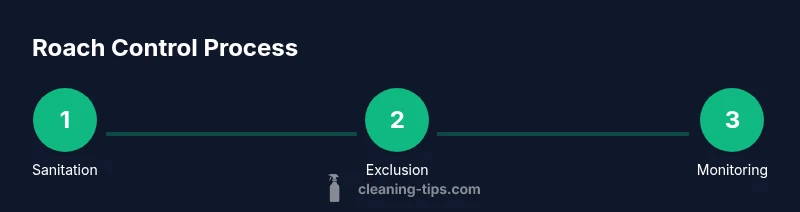
- Sanitation, sealing, and monitoring deter roaches.
- Use baits and traps strategically for quicker reductions.
- Maintain a consistent cleaning routine to prevent re-infestation.
- If activity persists after weeks, seek professional help.