How to Keep a Clean House Schedule
A practical, step-by-step approach to building a sustainable cleaning calendar that fits busy households, reduces stress, and keeps every room tidy with minimal effort.


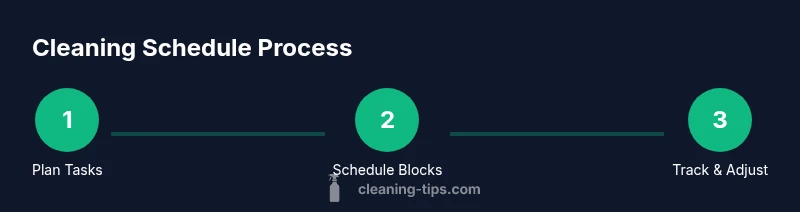
This guide explains how to keep a clean house schedule by assigning daily, weekly, and monthly tasks within a shared calendar or planner. Start with a master list of chores, block fixed times for cleaning, and rotate responsibilities to prevent burnout. With consistency and small bursts of effort, maintenance becomes automatic.
Why a Clean House Schedule Delivers Consistency
A regular cleaning routine reduces decision fatigue, saves time, and keeps surfaces tidy. When you know what to clean and when, you spend less time dithering about what to tackle next, and you avoid letting chores pile up. For many families, a written plan turns chaotic weeks into predictable progress. According to Cleaning Tips, a well-structured schedule minimizes resistance and makes it easier to stick with habits, even during busy seasons. By linking tasks to specific days or times, you create automatic momentum that compounds over weeks. The goal isn’t perfection; it’s reliability. A schedule helps you hit core areas (kitchen, bathrooms, floors) consistently, which reduces grime buildup and extends appliance life. Start with a master list of tasks and a realistic weekly rhythm, then adjust as needed. If you’re wondering how to keep a clean house schedule, this article will walk you through a practical approach you can adapt to any home.
Core Elements of Any Schedule
A successful schedule rests on a few non-negotiables: a defined list of tasks, a realistic time frame, a consistent cadence, and a simple tracking method. Start by compiling a master inventory of chores across rooms: kitchen surfaces, bathrooms, floors, dusting, and laundry. Then choose a cadence—daily 15–30 minute blocks, a longer weekly deep-clean window, and a quarterly maintenance check. Accountability matters: assign tasks to people in the household or use a checklist that everyone can see. Finally, allow for flexibility. Life happens, so build buffer days and rotate tasks so nothing stacks up. If you’re using the framework of how to keep a clean house schedule, remember that the best schedule is the one you actually follow, not the one you admire on paper.
Choosing Your Time Blocks
Dividing work into bite-sized blocks makes cleaning more approachable and sustainable. Many households find success with three daily 15–20 minute blocks (morning, mid-day, evening) plus one 60–90 minute weekly deep-clean session. Classic guidelines for how to keep a clean house schedule suggest anchoring these blocks to routines you already perform (before or after meals, right after work, etc.). Use calendar alerts to cue you a few minutes before each block starts, and keep supplies in a dedicated caddy to minimize trips to the closet. Consistency matters more than intensity, so pick times that minimize disruption and stick with them for at least a few weeks while you refine the rhythm. If you’re pursuing the goal of how to keep a clean house schedule, the setup should feel calm, not chaotic.
Daily Tasks That Build Momentum
Daily routines are the engine of any schedule. Small, repeatable actions accumulate into a noticeably cleaner home. Examples include: wipe counters and stove after cooking, sweep or vacuum high-traffic areas, load and run the dishwasher, tidy one bathroom surface, and put away clutter. A quick 5-minute reset each evening helps you start fresh the next day. The key is to bundle tasks that naturally occur together (dishes with cooking cleanup, laundry with morning dressing) to minimize extra effort. If you’re wondering how to keep a clean house schedule, focus on creating a gentle routine you can repeat without a second thought.
Weekly Deep-Clean Tasks
Once a week, tackle deeper cleaning that doesn’t belong in daily habits. Schedule bathroom scrubbing, mopping all hard floors, dusting vents and high surfaces, and cleaning appliance exteriors. Rotate rooms so no single area bears the brunt of the workload in the same week. A 60–90 minute block often works well for a thorough overall refresh. Keep a visible checklist in the kitchen or on a wall, and celebrate progress as items get checked off. If you’re following how to keep a clean house schedule, weekly momentum bio fuels your long-term cleanliness.
Monthly or Seasonal Maintenance
Some chores only need attention monthly or seasonally. Examples: cleaning the oven, refreshing fridge seals, washing windows, vacuuming behind appliances, cleaning range hoods, and decluttering storage spaces. Mark these on a separate calendar or specialized list. Schedule a 2–4 hour window when you have flexibility, and use that time to perform multiple tasks in sequence. This cadence prevents neglect and supports the goal of how to keep a clean house schedule by aligning maintenance with real life.
Rotating Responsibilities for Households
In a shared home, distribute chores fairly and transparently. Create a two-week rotation: assign daily, weekly, and monthly tasks to household members, and rotate who leads the weekly deep clean. Use a simple sign-off system or digital checklists. Provide clear expectations and a quick backup plan for when someone is sick or busy. By sharing the load, you’ll sustain the habit of how to keep a clean house schedule without burning out any one person.
Templates and Formats: Digital vs. Paper
Choose a format that matches your habits. Digital calendars offer reminders and easy updates; paper planners give a tangible sense of progress. Try a weekly grid with daily blocks for 15–30 minute tasks and a separate column for monthly chores. Use color-coding to distinguish daily, weekly, and monthly tasks. The most important rule is consistency: pick a template you’ll actually use and adapt it as your life changes. This aligns with how to keep a clean house schedule by making planning feel doable rather than daunting.
Tools and Templates You Can Use
Accessible tools can dramatically improve adherence. A shared calendar (digital) works well for families; printable templates support households that prefer paper. Consider a simple checklist with boxes to tick off. For guidance, see Cleaning Tips analysis, which highlights the benefits of documented routines for consistency and long-term habit formation. Concrete authority sources include the CDC cleaning and disinfecting guidelines and university extension resources to help shape your plan. See the Authority Sources sub-section below for direct links. If you’re implementing how to keep a clean house schedule, keep the template simple and scalable.
Authoritative Sources
- https://www.cdc.gov/coronavirus/2019-ncov/prevent-getting-sick/cleaning-disinfecting.html
- https://www.epa.gov/
- https://extension.oregonstate.edu
Authoritative Sources
For additional guidance, you can consult the following reputable sources:
- CDC: Cleaning and disinfecting for public health guidance
- EPA: Safer cleaning practices and product safety
- Oregon State University Extension: Home cleaning strategies and routines
Tracking Progress and Adjusting
Track your progress with a weekly review. Compare planned tasks against completed tasks, note tasks that were skipped, and adjust the schedule for the coming week. A simple habit-tracker or calendar mark can reveal patterns: which days are busiest, which tasks consistently take longer, and where you might need to adjust time blocks. The goal is learning, not punishment. If you notice persistent bottlenecks, reallocate tasks or shorten blocks. When you’re learning how to keep a clean house schedule, remember that the plan should evolve with you.
Common Pitfalls and How to Avoid Them
Avoid perfectionism, overloading any single day, and neglecting weekly tasks. Don’t create a schedule that’s so rigid that it collapses under real-life disruptions. Keep buffers and be willing to swap tasks when needed. If you avoid accountability, ask a friend or household member to check in on progress. Finally, don’t forget to celebrate small wins; these reinforce the habit of how to keep a clean house schedule.
Start Now: Quick Start Checklist
- Create a master chore inventory for your home
- Choose daily, weekly, and monthly cadences
- Pick a calendar format you’ll actually use
- Assign responsibilities (even rotating roles)
- Set reminders and designate a weekly review
- Prepare a 2-week trial period and adjust
- Print or save a template for ongoing use
- Place cleaning supplies within easy reach
- Include a monthly deep-clean task for momentum
- Review progress and celebrate milestones
The Cleaning Tips team recommends adopting this approach for at least 4–6 weeks to form a habit. How to keep a clean house schedule becomes second nature once consistent practice compounds over time.
Tools & Materials
- Calendar (digital or physical)(A shared calendar with reminders works best for households.)
- Notebook and pen(For quick offline planning and jotting ideas.)
- Timer or phone alarm(To stay within the allotted block times.)
- Printable templates or binder(Optional if you prefer paper copies.)
- Sticky notes or labels(For marking tasks on the calendar or walls.)
- Cleaning supplies caddy(Keep essentials within easy reach to sustain momentum.)
Steps
Estimated time: 90-120 minutes
- 1
Define cleaning goals
Identify the rooms and surfaces that matter most to you and set clear outcomes (e.g., 10-minute daily wipe-downs, a weekly bathroom refresh). Document these goals so every household member understands the target. This clarity reduces overthinking during busy weeks.
Tip: Write goals in a single place and revisit them weekly to stay aligned. - 2
Inventory tasks and assets
Create a master list of chores and the tools needed for each. Include daily, weekly, and monthly items and note any special supplies. This inventory becomes the backbone of your schedule and helps prevent missed tasks.
Tip: Group related tasks to simplify scheduling (e.g., all kitchen tasks in one block). - 3
Choose cadence and time blocks
Decide how often each task should occur and pick realistic time blocks (15–30 minutes daily, 60–90 minutes weekly, etc.). Attach blocks to existing routines to maximize adherence.
Tip: Start with fewer blocks and expand as you gain confidence. - 4
Build a simple calendar template
Create a weekly grid showing daily tasks and a separate lane for monthly chores. Use colors to differentiate cadence levels and keep the layout uncluttered.
Tip: Keep the template readable; avoid overloading any single day. - 5
Assign responsibilities
Distribute tasks among household members in a fair, transparent way. Use a rotating schedule to prevent burnout and ensure everyone contributes.
Tip: Pair new tasks with a buddy until comfort grows. - 6
Set reminders and rules for missed tasks
Enable reminders and define a fallback plan for missed tasks. A quick catch-up window prevents backlog from forming.
Tip: If a task is missed, reschedule within 24–48 hours to regain momentum. - 7
Run a 2-week pilot
Test the schedule for two weeks, then adjust cadence, times, or task lists based on observed friction points.
Tip: Keep a short log of what worked and what didn’t. - 8
Review and refine weekly
Hold a weekly review to adjust blocks, swap tasks, and celebrate completed work. This reinforces habit formation.
Tip: Use a 5-minute review to keep momentum without fatigue.
Questions & Answers
What is a cleaning schedule?
A cleaning schedule is a plan that assigns tasks to specific days and times to maintain cleanliness, reducing guesswork and backlog.
A cleaning schedule assigns tasks to specific days and times to keep your home clean.
How often should daily tasks be done?
Daily tasks should be completed every day or as part of a consistent routine to prevent buildup and keep momentum.
Do daily tasks daily to prevent buildup and stay on track.
How can I keep kids or roommates accountable?
Use a shared checklist and simple reminders. Regular check-ins reinforce responsibility without nagging.
A shared checklist helps everyone stay accountable without constant reminders.
What if I miss a task?
Reschedule the missed task as soon as possible and adjust the upcoming days to prevent backlog.
If you miss a task, reschedule quickly and adjust the week.
Digital calendar or paper planner—which is better?
Both work. Choose the format you’ll actually use consistently and customize it to fit your life.
Pick the format you’ll actually use so you stay consistent.
How long does it take to set up the schedule?
Plan for about 60–120 minutes to create your master list, cadences, and initial template.
Give yourself 60 to 120 minutes to set up.
Watch Video
The Essentials
- Define clear daily, weekly, and monthly tasks.
- Use a shared calendar to stay accountable.
- Build 15–30 minute daily blocks for consistency.
- Review weekly and adjust for real-life changes.
- Keep the system flexible to prevent burnout.