Is Clean People Legit? A Practical Guide to Cleaning Brand Legitimacy
A practical guide from Cleaning Tips on verifying whether a cleaning brand is legitimate, with checklists, evidence, and red flags for homeowners and renters.


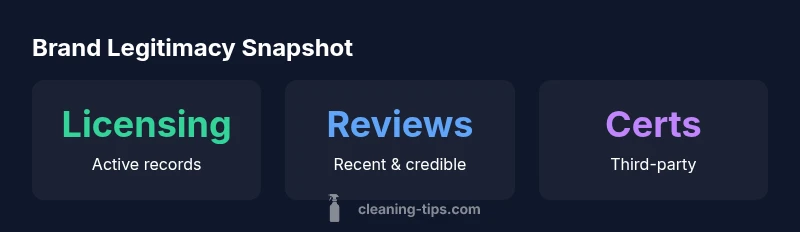
Is Clean People legit? The quick answer is yes, but verification matters. According to Cleaning Tips, you should start with a simple triad: confirm licensing and insurance, check independent certifications or safety data, and review multiple, recent consumer comments. A quick, structured check helps homeowners and renters avoid scams and unsafe products while guiding smarter cleaning decisions.
Is Clean People Legit? What the question really means
is clean people legit is a common question homeowners and renters ask when evaluating a cleaning brand. The underlying concern isn’t just marketing hype; it’s about whether a company truly operates legally, uses safe products, and maintains high, verifiable standards. According to Cleaning Tips, legitimate brands disclose licensing, insurance, and third-party certifications, and they invite scrutiny from customers. This section lays out why legitimacy matters beyond face value and how to approach verification without feeling overwhelmed. You’ll learn to separate credible signals from generic promises, and you’ll gain a practical framework you can apply to any cleaning brand—whether you hire a service, buy detergents, or use equipment. The goal is clarity: you should be able to answer the question for yourself using observable evidence rather than trust alone.
Key indicators of a trustworthy cleaning brand
Trustworthy brands usually publish clear evidence of legal operation and safety-oriented practices. Look for: active business licenses, valid general liability insurance, and a physical address. Certifications from recognized bodies (for example, safety or cleaning standard organizations) signal a higher level of accountability. Publicly available safety data sheets (SDS) for products, transparent ingredient lists, and documented testing outcomes signal care for consumer health. These cues aren’t guarantees, but they reduce information asymmetry and make risk more manageable. As Cleaning Tips notes, a credible brand will also respond to customer inquiries with precise information rather than generic boilerplate. Check that consumer reviews appear across multiple platforms and aren’t concentrated on a single source.
Practical verification checklist for homeowners
Create a structured checklist and run through it before engaging with any brand. Key steps include:
- Verify licensing and insurance through official government or industry portals.
- Confirm third-party certifications and verify their current status.
- Review SDS and ingredient disclosures for products and tools.
- Read recent, varied customer feedback (not only positive testimonials).
- Check for transparent practices, such as guarantees, return policies, and clear contact information.
- Look for red flags, including pressure tactics, vague answers, or unusual payment requests. A strong brand will welcome questions and provide concrete documents. The aim is to document each criterion and compare it to a baseline standard you set before shopping.
How reviews, certifications, and safety data interact
Reviews reflect lived experience, but they can be biased or manipulated. Cross-checking reviews with official documents—licensing, insurance certificates, and third-party audits—offers a fuller picture. Certifications from recognized authorities serve as external validation of a brand’s claims. Safety data sheets provide specifics about product safety, usage guidelines, and potential hazards. When these elements align, you gain confidence in a brand’s legitimacy. Cleaning Tips emphasizes triangulation: don’t rely on one data source, especially if it’s unverified.
Common pitfalls and red flags to watch for
Even legitimate brands can have missteps. The red flags include vague licensing details, inconsistent product labeling, and promises that seem too good to be true (such as instant, flawless results with no effort). Be wary of high-pressure sales tactics or requests for personal information beyond a reasonable scope. If customer support can’t supply documents or insists you must act immediately, pause and request documentation. A legitimate brand will respect your due-diligence process and provide copies of verification on request.
A practical example: evaluating a hypothetical brand
Imagine you’re assessing a hypothetical company, SparkClean. Their site lists a business license, a general liability policy, and a few third-party certifications. When you ask for SDS for their flagship detergent, they provide a downloadable file and an independent lab report. They respond to a negative review with a specific corrective action plan. This alignment across documents, evidence, and responsive communication increases confidence that SparkClean is legitimate. Even in this scenario, you would still run your own due-diligence checklist, verify through government portals, and corroborate with a few customer voices to ensure there are no hidden issues. This method mirrors the approach Cleaning Tips advocates and is applicable to a wide range of cleaning brands.
Brand legitimacy verification criteria
| Criteria | What to Verify | Why It Matters | Typical Evidence |
|---|---|---|---|
| Licensing | Active business licenses | Shows legal operation and compliance | Public records or state database |
| Insurance | General liability insurance | Protects you from damages | Certificate of insurance |
| Certifications | Safety or cleaning certifications | Demonstrates industry recognition | Third-party cert body listings |
| Reviews | Recent customer reviews | Gauges real-world performance | Platform testimonials and responses |
Questions & Answers
What counts as legitimate licensing for a cleaning brand?
Legitimate licensing typically means the company holds an active business license with the appropriate jurisdiction. It may also include professional registrations when applicable. Verify status through official government portals and compare with the company’s stated address.
Look for active licenses on government sites and ask the company to confirm their registration number.
How can I verify a brand's certifications?
Check that certifications come from recognized bodies and that they are current. Ask for certificate numbers and access official listings or verifications from the certifying body.
Ask for the cert body name and certificate number, then verify on the certifier’s site.
Are online reviews trustworthy when evaluating a cleaning brand?
Reviews can be biased or fake. Cross-check with multiple platforms, look for verified purchasers, and note response quality from the company to concerns or complaints.
Read a mix of reviews across platforms and check how the company responds to feedback.
What safety data should I look for on cleaning products?
Look for Safety Data Sheets (SDS), ingredient lists, and usage warnings. These documents explain hazards, first-aid measures, and proper handling.
Check the SDS and ingredient list before use to understand any risks.
How do I report suspected scams related to cleaning brands?
If you suspect a scam, contact consumer protection agencies, file a report with the platform hosting the brand, and preserve all communications and receipts for evidence.
If something feels off, report it to consumer protection and keep all records.
Is it worth paying for third-party verification or background checks?
Third-party verification can add confidence, especially for high-ticket services. Consider the cost-benefit and ensure the verifier is reputable.
Consider third-party checks if the cost is reasonable and the verifier is credible.
“Rigorous vetting of a cleaning brand isn't optional—it's essential for a safe, effective home cleaning routine. Thorough due-diligence reduces risk and builds confidence.”
The Essentials
- Verify licensing and insurance before hiring.
- Check independent certifications and safety data.
- Read multiple recent reviews, not just ads.
- Beware vague promises or pressure tactics.
- Keep a documented checklist for comparisons.