Is Clean Simple Eats Protein Good for You? A Balanced Review
An analytical review of Clean Simple Eats protein powder: ingredients, safety, and practical use in a balanced diet. Learn how it fits health goals with guidance from Cleaning Tips.


Overall verdict: Protein powders from Clean Simple Eats can be convenient for meeting daily protein targets, but they are not a magic bullet for health. When chosen carefully (low added sugar, clear ingredient list, third-party testing) they fit a balanced diet for most adults, with differences across whey vs plant-based options.
is clean simple eats protein good for you
Protein is essential for many body functions, from muscle repair to immune support. The question is is clean simple eats protein good for you, and if so, under what conditions? This section translates that broad query into practical criteria: ingredient transparency, protein source, and alignment with your overall diet. According to Cleaning Tips, value comes less from brand prestige and more from how clearly the label communicates what’s inside and how it was tested. Look for a straightforward ingredient list, a clear per‑serving protein amount, and evidence of third‑party testing. Remember, protein powder should complement—not replace—whole foods like lean meats, dairy, legumes, and nuts. Your goal is to meet protein targets while maintaining variety and balance, not to monetize a single supplement.
How protein powders fit into daily nutrition
Protein powders can help fill gaps when it’s hard to meet daily targets with whole foods alone. They offer portability, predictable protein amounts, and convenience for busy days. However, the best approach blends both powder and natural sources—think lean meats, fish, dairy, eggs, legumes, nuts, and seeds—so you get a wide amino acid profile and micronutrients. In practical terms, many people use powder to supplement breakfast or post‑workout meals, while still prioritizing real foods. When evaluating a product, weigh protein content against other nutrients on the label, and consider how the powder fits into your total daily energy intake and meal timing.
Brand overview: Clean Simple Eats and product variants
Clean Simple Eats is a widely used protein powder line known for its flavor variety and ease of use. While individual formulations differ, the core questions remain the same: what is the protein source, how much protein per serving, and what added ingredients exist? This review emphasizes universal criteria—ingredient transparency, third‑party testing, and realistic nutrition claims—rather than marketing claims. Consumers should look for clear labeling on protein origin (whey, casein, or plant-based), absence of unnecessary fillers, and a per‑serving amount that aligns with their goals. Throughout, the focus is on practical use in a balanced diet and on verifying claims with credible testing, not on brand hype.
Ingredient quality to inspect
When assessing any protein powder, start with the basics:
- Protein source: whey, casein, or plant-based blends each have pros and cons for digestion and amino acid profile.
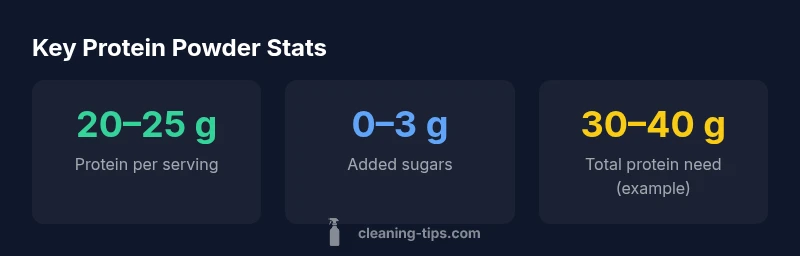
- Per‑serving protein: ensure the label reflects the claimed amount with little variance between batches.
- Added sugars and sweeteners: aim for low sugar per serving and avoid excessive artificial sweeteners if you’re sensitive.
- Fillers and additives: watch for unnecessary binders, thickeners, or artificial flavors.
- Certifications: third‑party testing or verification from credible bodies adds assurance.
- Allergens and cross‑contamination risks: check facility disclosures if you have sensitivities.
These checks help ensure the product supports your health goals without introducing avoidable risks.
Safety considerations and allergens
Protein powders are generally safe for healthy adults when used as directed, but there are safety considerations. If you have lactose intolerance or a dairy allergy, choose plant-based or lactose‑free options. If you have kidney disease, consult a clinician before increasing protein intake. Always start with a small serving to assess tolerance, especially if you have a sensitive stomach or a history of GI issues. Those taking medications or pregnant individuals should seek professional guidance before adding supplements. Additionally, verify that there are no prohibited substances if you are subject to drug testing in sports, and prefer products with transparent ingredient lists and third‑party testing. In short, safety hinges on personalization and informed choices.
Whey vs plant-based: which suits you better?
Whey and casein are fast to moderate in absorption, which can support post‑workout recovery and satiety. Plant-based proteins (pea, rice, soy blends) often appeal to vegetarians or those with dairy sensitivities, though taste and texture can vary by blend. Digestibility is individual: some people tolerate whey well, others prefer plant bases due to flavor or digestive comfort. If you’re balancing environmental concerns with health, note that protein quality (all essential amino acids) guides choice as much as source. Regardless of type, aim for a complete amino acid profile over the day, not just per serving. In practice, many people rotate protein sources to broaden nutrient intake while maintaining consistent protein totals.
Choosing the right variant for goals
Your goals shape the choice of variant. For muscle building, a higher‑quality protein with a strong essential amino acid profile is beneficial. For weight management, consider a powder with minimal added sugars and a satiating blend that pairs well with meals. If you’re dairy‑intolerant or vegan, plant‑based blends can meet protein needs, but watch for digestibility and taste. Consider ingredient lists, cost per gram of protein, and how easy the powder is to incorporate into meals. The best approach is to pick a variant that consistently helps you meet your protein targets without compromising overall diet variety.
Practical ways to incorporate into meals
Protein powder is versatile. Try these strategies:
- Smoothies: mix with milk or a dairy alternative, fruits, and greens for a balanced meal.
- Oatmeal or yogurt: stir in a scoop for added protein.
- Baked goods: add to pancakes or muffins for a protein boost.
- Quick snacks: blend with ice and a splash of water for a shake when on the go.
Season to taste with natural spices or cocoa powder, and choose flavorings with minimal artificial additives to keep meals enjoyable and aligned with health goals.
Testing the product: taste, mixability, digestion
A practical evaluation includes three dimensions:
- Taste and texture: assess flavor profile, sweetness, and mouthfeel. Good powders mix smoothly in water or milk without gritty aftertaste.
- Mixability: note clumping in different liquids and temperatures, and how quickly it dissolves.
- Digestive tolerance: observe gas, bloating, or fullness after consumption. If issues arise, try a different protein type or isolate/ concentrate variant.
Apply a consistent testing period (e.g., two weeks) with similar routines to compare products fairly. Documentation of observations helps support a reasoned choice.
Common myths vs reality
- Myth: Protein powder is essential for health. Reality: Most people can meet needs through whole foods; powder is a helpful supplement.
- Myth: All proteins are equal. Reality: amino acid profile, absorption, and digestibility vary by source.
- Myth: More protein equals faster muscle gain. Reality: total daily protein, training, and recovery drive results.
- Myth: Any powder is safe for everyone. Reality: allergies, kidney health, and medication interactions matter.
- Myth: Sugar‑free always means better. Reality: sweeteners can affect taste and digestion; consider overall nutrient balance.
Understanding these nuances helps set realistic expectations.
Powder vs whole foods: alternatives and budgeting
Powders offer convenience, cost per gram, and a reliable protein target when meals are limited. Whole food options—eggs, dairy, lean meats, beans, and grains—provide proteins plus natural micronutrients. Budget wisely by comparing the price per gram of protein, not just per serving. For some households, a mixed approach works best: powder on busy days, whole foods otherwise, to maximize nutrition and satiety without overspending.
Reading a label like a pro: a step‑by‑step guide
To read labels like a pro:
- Check protein per serving and serving size. 2) Review the protein source and whether it’s complete (contains all essential amino acids). 3) Look for added sugars and total carbohydrate content. 4) Scan for fillers, binders, or artificial additives. 5) Verify third‑party testing or certifications. 6) Review allergen information and facility disclosures. 7) Consider flavoring and sweeteners. Following these steps helps you select a product that aligns with health goals and dietary preferences.
7‑day sample plan using protein powder
Day 1: Breakfast smoothie with fruit, spinach, and vanilla protein; lunch with chicken salad; snack with yogurt and a scoop of protein powder blended in; dinner with fish and grains. Day 2: Oatmeal with protein, berries, and nuts; lunch quiche with veggies; snack shake; dinner turkey and quinoa. Day 3: Protein‑enriched pancakes for breakfast; lunch tuna wrap; snack smoothie; dinner chicken stir‑fry. Day 4: Greek yogurt bowl with protein topping; lunch lentil soup; snack protein shake; dinner beef and vegetables. Day 5: Egg‑white scramble with protein; lunch salmon salad; snack protein bar; dinner tofu and veggie curry. Day 6: Smoothie bowl with fruit and oats; lunch turkey slices; snack protein shake; dinner shrimp and veggie pasta. Day 7: Rest day with a protein‑forward breakfast and a light dinner, using protein to meet daily targets.
Note: Adapt portions to your energy needs and avoid relying solely on powder for nutrition. Hydration and fiber remain important.
When to seek professional guidance
If you have specific health conditions, chronic disease, or are pregnant or nursing, consult a physician or registered dietitian before regularly using protein powders. Professionals can tailor protein targets, suggest appropriate protein sources, and ensure no interactions with medications. For athletes, a sports nutritionist can align protein intake with training cycles and recovery needs. When in doubt, personalize your approach and track progress to decide whether powder supplementation remains a useful tool.
Practical decision checklist
- Define your protein target and assess how powder fits into meals.
- Compare protein sources and per‑serving amounts.
- Check for low added sugars and minimal artificial ingredients.
- Look for third‑party testing or certifications.
- Consider your dietary preferences (dairy vs plant) and allergies.
- Assess taste, texture, and mixability across different liquids.
- Plan how powder will integrate into your weekly meals for balanced nutrition.
Strengths
- Convenient way to meet daily protein targets
- Versatile for breakfast, snacks, and post‑workout meals
- Flavors and formulations offer options for different goals
- Transparency in labeling supports informed choices
- Third‑party testing adds quality assurance
Weaknesses
- Not a substitute for whole foods or fiber‑rich meals
- Taste and texture can vary by flavor and brand
- Sugar and additives vary; some products have higher sweetener loads
- Costs can add up relative to whole foods if overused
Solid option when used thoughtfully and paired with whole foods
The product category offers reliable protein supplementation for many adults. Choose variants with transparent labeling, low added sugars, and third‑party testing. For best results, use powder to complement meals rather than replace nutrient‑dense foods.
Questions & Answers
Is protein powder necessary if I eat enough protein from food?
Not strictly. Many people meet daily needs through food, but powder can help on busy days or after workouts. Use it to supplement, not replace balanced meals.
Most people don’t need powder if they already eat enough protein, but it can help when life gets busy.
What should I look for on a protein label?
Check per‑serving protein, protein source, added sugars, and any fillers. Look for third‑party certifications and allergen information.
Always read the label for protein amount and ingredients, then check certifications.
Are there risks with long‑term use of protein powder?
For healthy adults, occasional powder use is generally safe. Long‑term safety depends on overall diet, kidney function, and allergic status; consult a clinician if you have concerns.
If you have health issues, talk to a doctor before relying on powder long term.
How does Clean Simple Eats compare to other brands?
Results vary by product. Compare protein per serving, sugar, ingredients, and testing standards rather than brand name alone.
Different brands have different pros; compare the facts, not just the label.
Can protein powder help with weight loss?
Protein can support satiety and preserve lean mass during weight loss. Powder alone won’t cause weight loss without overall diet and activity changes.
Protein helps with fullness, but you still need a calorie plan and exercise.
Should children use protein powders?
Use with caution and only under professional guidance. Most children get enough protein from food; powders are generally not recommended for kids without supervision.
Ask a pediatrician before giving protein powders to children.
The Essentials
- Verify label transparency before buying
- Seek low-sugar options with clear ingredients
- Balance powder use with whole foods for nutrition
- Choose whey vs plant‑based based on tolerance and goals
- Look for third‑party testing to ensure quality