What Clean Blood Vessels Really Mean: A Health Guide
Explore what clean blood vessels really means, how arteries stay healthy, and practical, evidence-based steps to support vascular health through diet, exercise, and lifestyle.


What clean blood vessels really means is a healthy, unobstructed circulatory system with arteries free of significant plaque buildup. Achieving this relies on ongoing lifestyle habits like regular physical activity, a balanced diet, not smoking, and routine medical checkups.
Why vascular health matters
Your bloodstream is the highway that delivers oxygen and nutrients to every organ. What clean blood vessels really means in practical terms is healthy arteries and veins that support smooth, consistent blood flow with minimal obstruction. According to Cleaning Tips, maintaining vascular health starts with simple daily actions. The Cleaning Tips team found that small, sustainable changes—like choosing fiber-rich foods, moving more, avoiding tobacco, and keeping medical appointments—can collectively reduce cardiovascular risk over months and years. In this section we explain the physiology of healthy vessels, what contributes to healthy flow, and why “clean” is as much about prevention as any dramatic cleanse. Over time, these habits can influence blood pressure, cholesterol balance, and inflammation markers, all of which shape how freely blood travels through the network of vessels.
What clean blood vessels imply physiologically
In the body, arteries have flexible walls that expand with each heartbeat. Plaque buildup narrows the lumen and stiffens vessels, increasing workload on the heart. Clean vessels aren't literally free of any deposits, but they maintain healthy blood flow and normal pressures. Cleanliness here is a metaphor for ongoing vascular hygiene: preventing excess inflammation, maintaining flexible arteries, and supporting healthy blood pressure. It's not about a one-time cleanse, but a consistent pattern of choices that reduce risk factors. Evidence-based guidelines emphasize prevention through diet, activity, weight management, and blood pressure control. As you adopt these habits, you’ll likely notice more steady energy and fewer fluctuations in day-to-day wellbeing.
Major risk factors that affect vascular health
Several modifiable and non-modifiable factors influence how clean your vessels are over time. High blood pressure, elevated LDL cholesterol, smoking, diabetes, and chronic inflammation all contribute to plaque buildup and vessel stiffness. Age is a non-modifiable factor; risk rises with time. Environmental factors, such as air quality and exposure to toxins, can also affect vascular health indirectly by promoting inflammation. Addressing modifiable risk factors yields the biggest impact on long-term outcomes. Cleaning Tips analysis shows that even small changes—like ingredient swaps in meals and a longer daily walk—consistently yield measurable improvements in blood pressure and lipid balance over several weeks to months.
Diet choices that support arterial health
A heart-healthy diet emphasizes fruits, vegetables, whole grains, legumes, nuts, and fatty fish. Foods rich in fiber help reduce cholesterol and improve blood sugar control, which are both central to healthy arteries. Limit saturated fat and avoid trans fats; reduce sodium intake to support blood pressure. Hydration and moderate alcohol (if any) should be framed by medical guidance. A simple, practical approach is to plan meals around vegetables, fiber-rich grains, and lean proteins; snack on fresh fruit rather than processed options. In practical terms, this means choosing oats for breakfast, beans for lunch, leafy greens with lean fish for dinner, and water or unsweetened beverages most days. The goal is a sustainable pattern rather than a strict short-term diet.
Exercise and activity you should aim for
Regular physical activity is one of the most effective ways to support vascular health. A mix of aerobic exercise (like brisk walking, cycling, or swimming) and resistance training helps lower blood pressure and improve arterial flexibility. Start gradually if you are new to exercise, and build toward at least a few sessions per week. Always check with your clinician before starting a new routine, especially if you have existing heart or blood vessel concerns. The goal is consistency, not perfection. Over weeks, you should notice improved stamina, easier everyday movement, and better resting heart rate patterns, all of which signal healthier vessels.
Monitoring, medications, and when to seek care
Monitoring blood pressure, cholesterol, and glucose helps gauge vascular health. Your clinician may recommend medications to manage risk factors if lifestyle changes alone are not enough. It is important to understand that medications are part of a broader strategy, not a magical fix. If you experience chest pain, sudden weakness, trouble speaking, or severe shortness of breath, seek emergency help immediately. Regular checkups, blood tests, and, when indicated, imaging tests help ensure your vascular system stays on a healthy trajectory. This is a proactive discipline, not a reactionary one, and consistent monitoring is central to long-term results.
Daily routines that support healthy arteries
Small daily rituals can accumulate into meaningful improvements. For example, include a vegetable-focused side dish at most meals; take a brisk 20- to 30-minute walk after lunch; drink water instead of sugary beverages; keep a regular sleep schedule; and avoid smoking. Track progress with a simple log of blood pressure, weight, and activity. Building these habits creates a lifestyle that favors long-term vascular health. Over time, these daily steps translate into steadier energy, better blood sugar regulation, and reduced inflammation markers, all of which support healthy blood flow and vessel function.
AUTHORITY SOURCES
For readers who want deeper, evidence-based guidance, several public health institutions offer detailed recommendations about cardiovascular risk reduction and vascular health. Key sources discuss the role of diet, physical activity, blood pressure management, and cholesterol control in preventing disease and promoting arterial health. They emphasize that there is no quick fix, but consistent lifestyle practices yield meaningful long-term benefits. It’s helpful to compare guidance across reputable organizations to tailor a plan that fits your health profile and preferences. The sites listed below are reliable starting points for further study and discussion with your clinician.
- https://www.cdc.gov/heartdisease/prevention.htm
- https://www.nhlbi.nih.gov/health/educational/hearttruth
- https://www.who.int/news-room/fact-sheets/detail/heart-disease-and-stroke
Talk to your clinician about vascular health
A candid conversation with your healthcare provider can align your daily habits with your personalized risk. Bring a list of current medications, your family history, and a brief record of blood pressure, height, weight, and activity. Discuss whether any genetic risks exist and whether you should screen for cholesterol, glucose, or inflammatory markers. If you have existing conditions like hypertension or diabetes, ask for a clear action plan that includes medication review, dietary targets, and a feasible exercise schedule. Remember, improving vascular health is a long-term project that benefits from ongoing collaboration with your clinician.
Tools & Materials
- Blood pressure monitor(Validated cuff; measure twice daily)
- Food diary or nutrition app(Track fiber, sodium, saturated fat, and overall diet quality)
- Exercise log or wearable(Record activity minutes and intensity)
- Water bottle(Stay hydrated to support overall health)
- Medical appointment scheduling tool(Keep notes of visits and lab results)
- Heart-healthy grocery list(Printable list for quick shopping)
Steps
Estimated time: 12 weeks (ongoing maintenance)
- 1
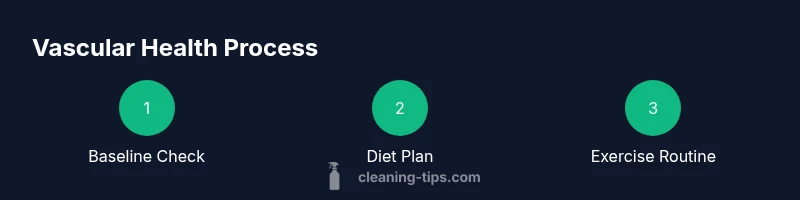
Assess baseline health
Consult with a clinician to establish a baseline for vascular health. Record blood pressure, heart rate, weight, and any existing risk factors. Set clear, achievable goals for the coming weeks, and agree on how progress will be tracked.
Tip: Bring a 2-week log of readings to help tailor recommendations. - 2
Adopt a heart-healthy diet
Plan meals around vegetables, fruits, whole grains, legumes, lean proteins, and fish high in omega-3s. Prioritize fiber to help cholesterol balance and blood sugar control. Limit saturated fat, avoid trans fats, and reduce sodium to support blood pressure management.
Tip: Swap refined grains for whole-grain options and add at least one serving of leafy greens daily. - 3
Start a regular aerobic plan
Incorporate moderate-intensity aerobic activities such as brisk walking, cycling, or swimming most days of the week. Combine with light resistance training 2–3 times weekly. Progress gradually to sustain adherence and reduce injury risk.
Tip: Aim for consistency over intensity; even a 20-minute daily walk adds up. - 4
Add resistance training
Include 1–2 sessions per week of resistance exercises to improve muscular strength and metabolic health. Use bodyweight, free weights, or resistance bands as appropriate for your fitness level.
Tip: Focus on proper form to protect joints and maximize benefit. - 5
Quit smoking and limit alcohol
If you smoke, seek evidence-based cessation support. Limit alcohol intake in line with medical guidance. Reducing exposure to harmful substances lowers vascular inflammation and improves blood pressure control.
Tip: Ask your clinician about smoking cessation programs or medications. - 6
Monitor progress and adjust
Regularly review blood pressure, lipid levels, and glucose with your clinician. Adjust lifestyle targets or medications as needed to maintain trajectory toward healthier vessels.
Tip: Document changes and celebrate small wins to stay motivated.
Questions & Answers
Is there a quick fix to 'clean' arteries?
No. Arterial plaque builds up over years, and there is no quick 'cleansing' method. Focus on long-term lifestyle changes and medical guidance.
There isn't a quick fix; focus on long-term healthy habits and medical advice.
Do supplements clean arteries?
Evidence for supplements is mixed and not a substitute for proven lifestyle changes. Always discuss with your clinician before starting any supplement.
Supplements aren’t a guaranteed solution; consult your clinician for personalized advice.
What signs indicate blocked arteries?
Warning signs include chest pain, shortness of breath, dizziness, or numbness in extremities—seek emergency help if these occur.
If you have chest pain or shortness of breath, seek urgent care.
Can blood tests show artery health?
Blood tests can reveal risk markers like cholesterol and inflammation, but imaging is often needed to assess arteries directly.
Blood tests help gauge risk, but imaging shows artery health more directly.
Is daily exercise enough for arterial health?
Regular physical activity supports arterial health and blood pressure; combine with diet and medical guidance for best results.
Exercise helps a lot, but combine it with other healthy habits and medical advice.
What does a cardiologist do for clogged arteries?
A cardiologist assesses risk, prescribes medications, and recommends procedures when necessary to restore blood flow.
A cardiologist evaluates risk and may suggest treatments or procedures.
Watch Video
The Essentials
- Take baseline health measurements and set realistic goals
- Prioritize a fiber-rich, low-sodium diet for heart health
- Aim for regular aerobic activity plus strength training
- Monitor progress with your clinician and adjust as needed
- Lifestyle changes reduce cardiovascular risk over time