What Clean Gold: Safe Ways to Polish Jewelry
Discover safe, at-home methods to clean gold jewelry using gentle supplies and simple steps. Cleaning Tips guides you through tools, precautions, and a practical approach to maintain shine without damage.


To clean gold safely, begin with a gentle routine using mild soap, warm water, and a soft cloth. For stubborn grime, use a soft toothbrush and rinse thoroughly. Do not use abrasive pastes or harsh acids, especially on gold plating or stones. If soldered or antique pieces exist, test a hidden area first and limit cleaning frequency.
Understanding what clean gold means for your pieces
Gold jewelry ranges from pure gold to alloyed mixtures like 14k or 18k. Understanding what clean gold means helps you pick the right method. If you search for 'what clean gold,' you're asking how to restore shine without damaging the finish or the stones. According to Cleaning Tips, gentleness is essential because gold can be scratched or dulled by abrasive cleaners. Start with the mildest approach and escalate only if needed.
A safe cleaning routine hinges on three pillars: gentle cleaning agents, minimal agitation, and thorough rinsing. These steps apply whether you wear a simple gold band daily or a set of heirloom earrings. The goal is to remove oils, skin residues, and cosmetics without affecting surface sheen or karat integrity. In this section, we’ll walk through a practical at-home method and explain when you should seek professional help.
Safe cleaning chemistry for gold
Gold is relatively inert, but the finish can be damaged by acids, ammonia, or abrasive powders. The safest approach uses a mild pH-neutral soap and warm (not hot) water. Household cleaners labeled for jewelry are acceptable if they are specifically non-acidic and non-abrasive. Avoid any paste or powder that could create micro-scratches on the surface.
For pieces with delicate stones, check the stone's tolerance—diamonds and sapphires usually tolerate mild cleaning, but opals and porous gems can be ruined by moisture or rapid temperature changes. If in doubt, treat the item as delicate and proceed with the mildest method (soap and water) first. Cleaning Tips notes that a soft brush can reach crevices without aggression.
Daily care and maintenance to keep shine
Establish a daily routine to prevent buildup. After wearing, wipe your gold jewelry with a soft microfiber cloth to remove oils and cosmetics. Store pieces individually in soft pouches or lined jewelry boxes to avoid scratching. When you do a deeper clean, perform it in a calm environment to avoid sudden temperature changes that can stress settings.
Humidity and salt air can accelerate tarnish in some alloys; if you live near the coast, consider a nightly wipe-down and periodic checks for loose settings. The combination of minimal cleaning and proper storage can extend the life of your gold without needing harsher products.
Special cases: plating, antique pieces, and stones
Gold-plated items require particular care—excess cleaning can remove the thin surface layer, revealing base metal. If the piece is plated, favor non-abrasive cleaning and avoid soaking long. For antique or heirloom jewelry, the setting may be fragile; you may want to limit the cleaning and consult a jeweler if you notice loose stones or visible wear.
When a stone is involved, avoid soaking pieces with porous stones. Diamonds are sturdy but prongs can accumulate residues; use a soft brush to clean around settings and rinse well. If the item has a composite finish or ruby, treat according to the stone type and metal alloy involved.
Common mistakes and troubleshooting
A frequent mistake is using toothpaste or baking soda paste on gold. These abrasives can scratch even well-kept surfaces. Another error is neglecting to rinse completely—residue can dull shine or irritate skin. Do not use hot water; sudden temperature shifts can loosen stones or warp delicate metal. Ultrasonic cleaners may loosen stones or cause damage in older pieces; skip them unless you know the piece can tolerate ultrasonic action.
If a piece looks dull after cleaning, re-clean with plain soap and water, then dry with a lint-free cloth. Check for loose stones and contact a jeweler if you notice movement.
Quick comparison: DIY cleaning vs professional cleaning
DIY cleaning with soap and water is quick and affordable, and suitable for most routine care. For antique or high-value items, or pieces with complex settings, a professional cleaning ensures proper inspection, ultrasonic options, and polishing that preserves patina and value. Regular checks by a professional can catch issues before they cause loss of stones or structural failure.
Testing for authenticity and wear (optional)
Some cleaning routines can help reveal wear patterns; if you notice unusual discoloration, discoloration, or metal fatigue, stop cleaning and consult a professional. This section focuses on safe handling, not on assessing value. For many consumers, home cleaning remains a first step before a professional evaluation.
Tools & Materials
- Soft microfiber cloth(Lint-free, non-abrasive finish)
- Warm distilled water(Not hot; avoid mineral-rich tap water)
- Mild dish soap(Dye-free, non-abrasive formula)
- Soft-bristled toothbrush(New or gently used; avoid stiff bristles)
- Small bowl(Non-metallic, for soaking)
- Gloves (optional)(Protect hands from soap and water)
- Toothpick or cotton swab (optional)(Detail cleaning for settings)
Steps
Estimated time: 15-25 minutes
- 1
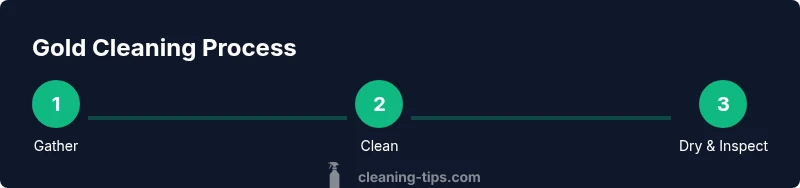
Gather supplies
Collect all tools and materials in a reachable area. This reduces interruptions and helps you follow the recipe precisely, which minimizes risk to delicate pieces.
Tip: Lay out a soft towel to cushion pieces if you drop anything. - 2
Prepare a mild cleaning solution
Fill the bowl with warm distilled water and add a drop of mild dish soap. Stir gently to create suds without foaming.
Tip: Avoid hot water, which can shock metal and loosen stones. - 3
Soak briefly
Dip the jewelry briefly in the soapy solution to loosen oils and grime. Do not soak for long, especially if stones are involved.
Tip: If you’re unsure about a piece, skip soaking and proceed to gentle brushing only. - 4
Gently brush crevices
Use a soft toothbrush to clean around settings and engravings with light, sweeping motions. Rinse periodically to check if you’ve removed buildup.
Tip: Focus on prongs, cores, and under stone interfaces where grime hides. - 5
Rinse thoroughly
Rinse the piece under lukewarm running water to remove all soap residue. Hold it securely to prevent slips.
Tip: Make sure no water remains in closed cavities that could trap moisture. - 6
Dry and inspect
Pat dry with a lint-free cloth and inspect for missed spots or loose stones. If needed, repeat the gentle cleaning cycle on stubborn areas.
Tip: Store in a soft pouch after drying to prevent scratching from other pieces.
Questions & Answers
Can I use toothpaste to clean gold jewelry?
No. Toothpaste is abrasive and can scratch gold and strip plating. Use a mild soap and water instead.
Toothpaste can scratch gold and remove plating, so avoid it. Use mild soap and water instead.
Is baking soda safe for gold cleaning?
Baking soda paste can scratch gold surfaces and remove delicate finishes. Use it only with caution, if at all.
Baking soda can scratch gold; use caution or skip it altogether.
Should I use an ultrasonic cleaner on gold?
Ultrasonic cleaners can loosen stones and damage delicate settings. Only use if the piece is designed to tolerate it and you’re confident in the setting.
Ultrasonic cleaners can loosen stones, so use them only if the piece tolerates it.
How often should I clean gold jewelry?
Clean as needed based on wear; many pieces benefit from a light wipe weekly and a deeper clean monthly or quarterly.
Clean as needed; wipe weekly and deep-clean every month or quarter as appropriate.
What about gold with porous stones like opal?
Porous stones are sensitive to moisture and cleaning products. Consider professional care or avoid soaking altogether.
Porous stones like opal can be damaged by moisture; seek professional care if uncertain.
Can I use jewelry cleaners bought at the store?
Only if the product is non-acidic and labeled safe for gold. Read ingredients and perform a hidden-area test first.
Only use non-acidic cleaners labeled safe for gold, and test first.
Watch Video
The Essentials
- Begin with mild soap and water for most gold pieces.
- Avoid abrasives and ultrasonic cleaners on plating or delicate stones.
- Rinse thoroughly and dry; store separately to prevent scratching.
- Test on hidden areas before full cleaning to prevent surprises.