What clean your lungs: Practical Steps for Lung Health (2026)
Learn practical, evidence-based ways to support lung health in 2026. Discover what clean your lungs means, reduce irritants, practice breathing techniques, and improve indoor air quality with clear, actionable steps.


What clean your lungs means in daily life is reducing irritants, supporting the lungs' natural mucus clearance, and building a simple routine of breathing exercises, hydration, and fresh air. This guide outlines practical steps you can start today: improve indoor air quality, engage in regular aerobic activity, practice diaphragmatic breathing, and monitor for warning signs that require medical advice.
What clean your lungs actually means and why it matters
According to Cleaning Tips, keeping lungs healthy isn’t about a single detox or a magical cleanse. It’s about limiting exposure to irritants, supporting the body’s natural mucus clearance, and adopting daily habits that make breathing easier. In 2026, this practical approach translates into concrete actions you can take at home, at work, and during exercise. It isn’t about quick fixes; it’s about consistent, science-backed steps that reduce inflammation, improve airflow, and protect lung function over time. If you’re wondering what clean your lungs looks like in real life, think of smaller daily choices—better air, more movement, and mindful breathing—as the core of the practice.
The lungs are remarkably resilient organs composed of airways, air sacs, and supporting tissues. The tiny hairs (cilia) lining the airways help move mucus out of the lungs, while the immune system guards against infections. When irritants like tobacco smoke, wildfire smoke, or chemical fumes irritate these pathways, inflammation can increase and mucus production rises. By limiting exposure and supporting healing through evidence-based actions, you can help your lungs perform at their best without complicated regimens. This section lays the groundwork for practical, sustainable steps you can adopt starting today.
Physiological basics of lung health
Your lungs work continuously, bringing oxygen in and expelling carbon dioxide. The exchange happens in tiny air sacs called alveoli, surrounded by capillaries. Mucus and the cilia lining the airways trap and clear debris. Everyday irritants can disrupt this delicate balance, leading to coughing, wheezing, or shortness of breath. Understanding this process helps you see why reducing irritants, staying hydrated, and breathing techniques matter. When you ask, what clean your lungs really entails, the answer centers on supporting natural clearance and minimizing exposures that trigger inflammation. The more you control your environment and activity, the closer you get to maintaining healthy lung function in a practical, non-extreme way.
How breathing is influenced by lifestyle choices
Breathing quality improves when you pair regular movement with breath-focused practices. Aerobic activities strengthen the heart and lungs, while diaphragmatic or pursed-lip breathing can reduce the work of breathing during exertion. Nutrition and hydration also play roles: water helps mucus mobility; certain foods offer anti-inflammatory benefits, though no single food “cleans” the lungs. By combining movement, breath work, and smart environmental controls, you’ll better support the lungs’ natural defenses and maintenance. This is the core idea behind what clean your lungs means in a practical, everyday routine.
Step-by-step breathing and hydration practices
A simple daily routine can make a meaningful difference. Start with 5–10 minutes of diaphragmatic breathing, then add a 20–30 minute aerobic session most days of the week. Sip water regularly to keep mucus thin and easy to clear. Over time, these habits help your lungs work more efficiently and reduce the perception of breathlessness during daily activities. The key is consistency and listening to your body—increase duration gradually and respect rest days. If you have a chronic condition, consult your healthcare provider before starting any new exercise plan.
Indoor air quality: creating a cleaner breathing environment
Indoor air quality has a direct effect on lung comfort and function. This means choosing low-toxicity cleaning products, ensuring adequate ventilation, and controlling humidity. Vacuum with a HEPA-filtered cleaner, use exhaust fans when cooking, and consider air purifiers in rooms where you spend the most time. Even small adjustments—opening a window for a few minutes, introducing houseplants, or using a damp cloth to remove dust—can reduce irritants that affect the lungs. What clean your lungs looks like here is actionable, repeatable steps that fit into busy schedules.
Safety, red flags, and seeking medical advice
If you notice persistent chest pain, sudden shortness of breath, wheezing that doesn’t respond to typical methods, or coughing blood, seek medical care promptly. While lifestyle changes can support lung health, some symptoms require professional evaluation. This is especially true if you have a history of respiratory disease, exposure to occupational irritants, or recent infections that worsen. The goal is to empower you with practical steps while recognizing when professional care is essential for safety and accuracy.
Authorities and further reading: credible sources for lung health
For additional guidance, consult authoritative sources such as the National Heart, Lung, and Blood Institute (NHLBI), the Centers for Disease Control and Prevention (CDC), and the National Institutes of Health (NIH). These sources provide evidence-based information on lung health, risks, and protective strategies. While this guide summarizes practical steps, these references offer in-depth explanations and updated recommendations for your specific situation.
Key sources include:
- NHLBI: https://www.nhlbi.nih.gov/health-topics/lung-disease
- CDC: https://www.cdc.gov/healthyair/index.html
- NIH: https://www.nih.gov/news-events/nih-research-matters/how-lungs-work
In 2026, staying informed through reputable institutions helps you tailor what clean your lungs means to your personal health situation.
Tools & Materials
- Water bottle(Hydration supports mucus clearance; aim for about 8 cups of water per day, adjust for activity and climate.)
- Humidifier(Keeps indoor air moist to ease irritation in dry environments.)
- Nasal saline spray( Helps keep nasal passages clear to support smooth breathing.)
- Breathing guide or app(Guided diaphragmatic and pursed-lip breathing sessions help form habits.)
- Mask for polluted environments(Protects against high particulate exposure when air quality is poor.)
Steps
Estimated time: 4-6 weeks
- 1
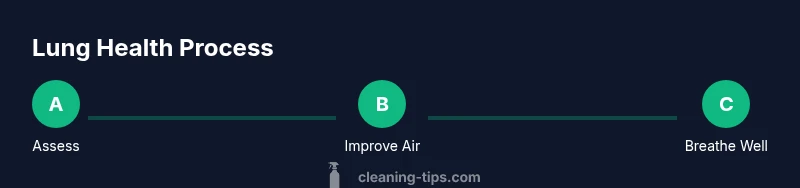
Assess baseline lung health
Begin with a simple self-check: note any coughing, wheeze, shortness of breath, or chest tightness. Track when symptoms worsen to tailor your plan.
Tip: Use a 0–10 scale for breathlessness to quantify changes over time. - 2
Audit indoor air quality
Identify common irritants at home (smoke, strong cleaners, dust). Open windows when possible, replace harsh products with low-VOC alternatives, and maintain clean surfaces.
Tip: Run a quick air-quality check after cleaning to ensure improvements. - 3
Prioritize hydration and healthy breathing
Hydration helps mucus clearance; pair this with daily diaphragmatic breathing to reduce breathing effort.
Tip: Schedule two 5-minute breath sessions between activities. - 4
Incorporate regular aerobic activity
Aim for at least 150 minutes of moderate activity weekly. Choose walking, cycling, or swimming at a comfortable pace to strengthen the lungs.
Tip: Gradually increase duration by 5–10 minutes per week to avoid overexertion. - 5
Practice diaphragmatic and pursed-lip breathing
Learn the mechanics: nose-in, mouth-out for diaphragmatic breathing and slow exhalations through pursed lips to keep airways open.
Tip: Practice in a quiet space first, then add into daily activities. - 6
Monitor progress and adjust
Reassess symptoms and activity tolerance every 2–4 weeks. If you notice worsening breathlessness or new symptoms, consult a clinician.
Tip: Keep a simple log of activities, symptoms, and environmental changes.
Questions & Answers
Can you detox your lungs?
Lung detox is not a single quick fix. Focus on reducing exposure to irritants and supporting lung function through exercise, hydration, and cleaning up indoor air.
Lung detox isn’t a one-time fix; it’s ongoing steps to reduce exposure and support function.
Do breathing exercises cleanse the lungs?
Breathing exercises don’t physically cleanse the lungs, but they can improve ventilation, reduce work of breathing, and help with mucus clearance.
Breathing exercises don’t detox the lungs, but they support better breathing and mucus movement.
What foods are best for lung health?
A balanced diet rich in fruits, vegetables, whole grains, and omega-3 fatty acids supports overall health, including the lungs, but no single food cures lung disease.
Eat a balanced diet; no single food cures lung issues, but nutrients support overall health.
Are air purifiers worth it for lung health?
Air purifiers with true HEPA filtration can reduce particulate exposure in enclosed spaces and may help with symptoms for some people.
Air purifiers can help reduce particles indoors, which may benefit breathing for some people.
Watch Video
The Essentials
- Define a daily lung-support routine and stick to it.
- Improve indoor air quality and reduce irritants.
- Incorporate regular aerobic activity and breathing practices.
- Monitor symptoms and adjust plan as needed.
- Consult credible sources for up-to-date guidance.