What cleanse kidneys fast: Safe, evidence-based guidance
Learn safe, evidence-based ways to support kidney health with hydration, nutrition, and lifestyle tips. Debunk detox myths while avoiding quick-fix cleanses.


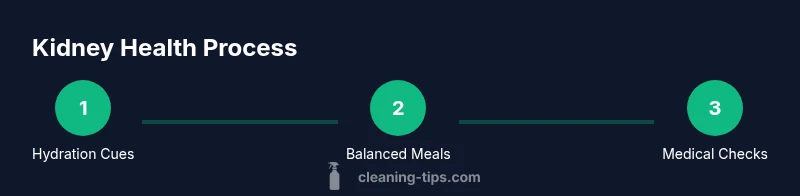
Kidneys don’t require dramatic cleanses, and there’s no proven fast method to purify them. The kidneys continuously filter blood, balance fluids, and excrete waste, so sustainable habits matter most. This guide shares safe, evidence-based ways to support kidney health and debunks detox claims that promise instant results. According to Cleaning Tips, most healthy adults don’t need aggressive cleanses—focus on steady hydration, balanced meals, and medical guidance when needed.
What does the phrase "what cleanse kidneys fast" really mean, and why it's a myth
If you’ve asked yourself what cleanse kidneys fast entails, the blunt truth is that there’s no rapid cleanse that dramatically purifies your kidneys. The kidneys are resilient organs that continuously filter blood and balance fluids, electrolytes, and waste. There is no evidence-supported method to speed up detoxification beyond the body’s own physiology. In this guide, we explain safe, evidence-based ways to support kidney health and debunk common detox claims. According to Cleaning Tips, most healthy adults do not need aggressive cleanses; instead, sustainable habits support long-term kidney function. This distinction matters because dramatic detox products can disrupt electrolytes or irritate the kidneys, especially if you have preexisting conditions. A lot of detox marketing targets quick results, but research emphasizes consistency over shortcuts. For readers seeking practical, at-home guidance, we break down hydration, meals, lifestyle choices, and when to seek medical advice. The guidance here is designed to help homeowners and renters implement safe routines that support kidney health within everyday life.
How kidneys work and what "cleansing" implies
The kidneys act as a filtration system, removing waste from the bloodstream and balancing fluids and minerals. They receive blood from the renal arteries, filter it through millions of microscopic tubules, reabsorb essential substances, and excrete waste in urine. This ongoing process happens day and night and is tightly regulated by hormones and nerves. Some people interpret this function as a natural detox, but there is no verified method to speed up detox beyond normal physiology. A “fast cleanse” often refers to extreme diets or laxatives that can cause dehydration and electrolyte imbalance, potentially harming kidney function. A healthy approach emphasizes steady, sustainable habits—hydration, balanced meals, regular activity, and medical check-ins—rather than dramatic external cleanses. Understanding how kidneys work helps readers resist unproven detox pitches and focus on reliable habits that fit into daily life.
Evidence-based ways to support kidney health
Hydration supports kidney function by aiding urine production and waste elimination. Choose water as your primary beverage and adapt intake to climate, activity, and health status. If you’re outdoors in heat or exercising, your needs may increase, but avoid overdrinking to prevent hyponatremia. Nutrition also matters: prioritize a plant-forward pattern that emphasizes fruits, vegetables, whole grains, legumes, and lean proteins. This approach supports cardiovascular health and helps maintain stable blood pressure and glucose levels, both of which influence kidney health. Limit highly processed foods, added sugars, and sodium because excess salt can raise blood pressure and stress kidney function over time. Regular physical activity complements dietary choices and helps maintain a healthy weight. Avoid smoking and limit alcohol, as these factors can reduce kidney blood flow and raise disease risk. Some supplements and detox products lack robust evidence and may interact with medications; always discuss significant dietary changes or supplements with a clinician, especially if you have kidney disease, diabetes, or hypertension. Routine medical checks—like blood pressure, glucose, and kidney function tests—help detect issues early. Lastly, certain medications, including NSAIDs, can impact kidney function if misused; use them only under medical guidance.
Practical daily steps to support kidney health
A practical daily routine centers on hydration, nutrition, and mindful medication use. Start by establishing a hydration habit: carry a reusable water bottle, sip regularly, and adjust based on your environment and activity level. Plan meals that are rich in vegetables, fruits, whole grains, and lean proteins while keeping portions reasonable and meals balanced. Reduce sodium by cooking at home with herbs and spices instead of relying on packaged foods. Incorporate movement into your day, even short walks after meals, to support cardiovascular health. If you take medications, review their kidney-related effects with a clinician and use them exactly as directed. Keeping a simple daily log of fluids, meals, and any symptoms can help you observe patterns and adjust as needed. If you have existing kidney concerns, work with a healthcare provider to tailor your plan.
Foods and beverages to embrace and avoid
In general, embrace a diet rich in vegetables, fruits, whole grains, beans, and lean proteins. Hydration should be the mainstay of your fluid intake, with other beverages used to complement water. Be mindful of potassium and phosphorus if you have preexisting kidney disease; for healthy individuals, a varied diet with moderation is usually suitable. Limit processed foods high in sodium, added sugars, and saturated fats, as these can raise blood pressure and contribute to kidney strain. Coffee and tea can be part of a balanced day, but avoid excessive caffeine. Detox teas or cleanse beverages marketed as kidney “experts” often rely on laxatives or dehydration and can be harmful; read labels carefully and consult a clinician if you’re unsure about a product’s safety. If you’re pregnant, nursing, or have kidney disease, talk to your clinician before making major dietary changes.
When to seek medical advice or testing
Seek care if you notice persistent symptoms such as swelling in the ankles or feet, foamy urine, persistent back or side pain, or unusual fatigue. If you have risk factors—such as long-standing high blood pressure, diabetes, a family history of kidney disease, or regular NSAID use—schedule routine checkups with a clinician. A healthcare professional may order urine tests, blood tests, imaging, or a kidney function assessment to monitor how well your kidneys are working. Early detection improves management options, so don’t delay care if symptoms appear or you notice rapid changes in urination, swelling, or appetite.
Debunking detox claims and extreme regimens
Detox products that promise dramatic or overnight results for kidney cleansing are often not supported by solid evidence and may cause harm. The kidneys’ natural detox process relies on steady hydration, balanced nutrition, and medical guidance when needed. Be skeptical of programs that advocate extreme fasting, laxatives, or diuretic beverages without professional supervision. If a program claims to “flush toxins” in a few days, request peer-reviewed data and consult a clinician before trying it. For most people, the safest path is a sustainable daily routine rather than a rapid detox.
Tools & Materials
- Reusable water bottle(12–20 oz capacity; keep refilling throughout the day)
- Hydration tracker or journal(Helpful for building a consistent habit)
- Fresh produce and lean proteins(Fruits, vegetables, legumes, fish, poultry, or tofu)
- Low-sodium pantry staples(Herbs, spices, and unsalted snacks to replace high-sodium options)
- Whole grains(Oats, quinoa, barley, brown rice as core carbohydrates)
- Medical information and clinician contact(List current meds and any kidney-related conditions)
Steps
Estimated time: 60-90 minutes
- 1
Assess hydration and daily fluid goals
Evaluate your current hydration by thirst cues and urine color in the typical environment you live in. Adjust intake gradually to avoid dehydration or excessive intake. This step sets a safe baseline so your kidneys can function optimally.
Tip: Keep a water bottle within arm’s reach and sip regularly throughout the day. - 2
Plan kidney-friendly meals
Design meals around vegetables, fruits, whole grains, and plant-based proteins with lean animal options if desired. Balance portions and avoid oversized meals that spike blood sugar or pressure. A consistent pattern supports kidney health and overall well-being.
Tip: Prep meals in advance to reduce reliance on processed options. - 3
Limit sodium and processed foods
Reduce reliance on packaged and restaurant foods that are high in salt. Read labels and choose low-sodium versions when available. Lowering sodium helps support steady blood pressure and reduces kidney workload.
Tip: Cook at home with fresh ingredients to control salt exposure. - 4
Avoid extreme detoxes and laxatives
Detox diets and cleansing beverages can cause dehydration and electrolyte imbalances that harm kidney function. If a program asks for laxatives or severe restrictions, skip it and seek professional guidance instead.
Tip: If a cleanse promises dramatic shortcuts, consult a clinician first. - 5
Track progress and adjust
Maintain a simple log of hydration, meals, medications, and any symptoms. Review weekly and adjust plans based on how your body responds and any lab results.
Tip: Use a single notebook or app to keep things simple. - 6
Consult a clinician for concerns
If you have ongoing symptoms or risk factors, seek medical advice to tailor a plan. A clinician may order urine or blood tests to monitor kidney function and guide care.
Tip: Bring a current meds list and any supplements to your visit.
Questions & Answers
Can you cleanse kidneys quickly with detoxes or fasts?
There is no fast or detox proven to cleanse kidneys. Kidneys filter wastes naturally; extreme regimens can cause dehydration and electrolyte imbalance.
No quick detox is proven to cleanse kidneys; the body does it best on its own.
Do detox teas cleanse kidneys?
Detox teas are not proven to cleanse kidneys and may have laxative effects or interact with medications. Use caution and consult a clinician if unsure.
Detox teas aren’t proven to help kidneys and can cause side effects.
What daily habits support kidney health?
Hydration, balanced meals, regular activity, and avoiding excessive salt and processed foods support kidney health.
Healthy daily habits help your kidneys work well.
Should I worry about my kidney function?
If you notice swelling, foamy urine, back pain, or persistent fatigue, consult a clinician. Risk factors like hypertension or diabetes also warrant checkups.
See a clinician if symptoms persist or you have risk factors.
When should I seek medical help for potential kidney issues?
Seek medical advice for persistent symptoms or known risk factors. A clinician can order tests to monitor kidney health and guide treatment.
Talk to a clinician if symptoms persist or you’re at risk.
Are there foods to avoid for kidney health?
Limit highly processed foods and excessive sodium. Kidney health depends on a balanced diet; specific restrictions may apply if you have conditions.
Avoid overly processed foods and too much salt; consult a clinician for personalized limits.
Watch Video
The Essentials
- Kidneys self-clean; there is no fast cleanse.
- Hydration and balanced nutrition support kidney health.
- Avoid extreme detoxes and consult a clinician for concerns.
- Monitor medications and seek medical testing when risk factors exist.