What Do Window Cleaners Use to Clean Windows? Essential Tools and Techniques
Explore the essential tools, cleaners, and techniques window cleaners rely on to achieve spotless, streak-free panes. Learn safety tips, gear selection, and pro techniques for homes and apartments.


Window cleaners rely on a mix of hand tools, cleaning solutions, and safe practices to achieve clear, streak-free panes. The core gear includes a squeegee, scrubber, microfiber cloths, and a spray bottle; for hard-to-reach windows, extendable poles or water-fed systems are common. This guide explains the essentials, safe usage, and how to choose the right setup for your home.
What do window cleaners use to clean windows? An overview
When you ask what do window cleaners use to clean windows, you’re looking at a toolkit that balances effectiveness with care for glass and frames. In residential settings, pros blend basic hand tools with precise technique to achieve crystal-clear results. According to Cleaning Tips, the most reliable approach combines a quality squeegee, a scrubber or pad, microfiber cloths, and a dependable cleaning solution. The goal is to lift dirt without creating streaks or film, while protecting frame materials from damage. This section helps you map a practical setup for home use, whether you’re cleaning a few interior panes or tackling exterior windows on a multi-story home.
In professional practice, the choice of tools also depends on window type—single-pane versus double-pane, tempered glass versus decorative panes—and on whether a ladder will be used or if a water-fed pole system is employed for safety and reach. While the exact gear can vary, a clean baseline helps you stay organized and efficient. Cleaning Tips Analysis, 2026, emphasizes that deliberate tool selection and consistent technique outperform random tool purchases over time. As you read, think about your home’s window style, climate, and how often you clean.
Key categories of tools: hand tools, water-fed systems, and safety gear
At the heart of every window cleaning session are three interlocking categories: hand tools for close-up panes, water-fed systems for exterior jobs, and safety gear to protect you during cleaning. Hand tools typically include a squeegee with a rubber blade that matches the window width, a scrubber or pad for removing stuck-on grime, and microfiber cloths or chamois for drying and detailing. Water-fed pole systems pull purified water through extendable poles to rinse without detergents, reducing streak risk on high or hard-to-reach windows. Safety gear spans gloves, non-slip shoes, and, when needed, a sturdy ladder or stand-off to prevent frame damage. For homeowners, a reliable starting kit combines these elements without overwhelming complexity. Brand-dependent, the right mix relies on your window size, the height of your windows, and how frequently you clean.
Cleaning solutions and their roles: soap, vinegar, and eco-friendly options
Cleaning solutions are not interchangeable with every pane. The primary role of a cleaner is to dissolve dirt and oils while leaving a film-free surface. Simple soap and water work well for routine dirt, while vinegar-water solutions offer a quick, eco-friendly alternative for mild grime. For more challenging residues—like mineral deposits from sprinkler water—internal and exterior windows benefit from specialist cleaners designed for glass. Professional setups may employ purified water with pH-balanced formulations that minimize the need for detergents. The key is to test a small area first and avoid harsh mixes that can degrade seals or coatings. Cleaning Tips recommends favoring solutions that are easy to rinse and compatible with your chosen tools to prevent streaks and residues.
Cloths, pads, and the art of drying: microfiber matters
Microfiber cloths play a critical role in removing moisture and picking up fine dust without scratching glass. Pads and scrubbing cloths should be gently abrasive to lift grime but not harsh enough to scratch. The technique matters as much as the tools: wipe corners and edges after the main glide of the squeegee, and use a clean side of the cloth for each pane. Proper drying prevents micro-dust from drying into a film. A dedicated drying cloth or chamois helps finish each window with a streak-free sheen. In essence, the right fabrics reduce the need for re-cleaning and ensure consistent results across rooms.
Reaching higher panes: poles, ladders, and safe access
Exterior windows, especially second-story panes, demand safer reach solutions. Extendable poles enable you to rinse from ground level using a water-fed approach, while ladders provide stability for detail work on interior and exterior edges. If you choose ladders, ensure stability, proper setup on even ground, and three-point contact during climbs. Water-fed pole systems reduce the risk of falls by letting you work from a distance while maintaining rinse effectiveness. For most homeowners, a modest investment in an extendable pole plus a compact ladder covers the majority of typical homes without requiring a pro installation.
Safety first: protecting glass, frames, and yourself
Safety is the backbone of any cleaning routine. Inspect window frames for loose seals or cracked wood, as moisture can worsen damage. Wear gloves to protect your hands from cleaners and sharp edges on frames. When using ladders, keep your body centered and never lean beyond the rails. If you’re cleaning outside in windy conditions or extreme heat, reschedule to prevent accidents and ensure cleaners stay on the glass rather than blowing away. By prioritizing safety, you keep your windows beautiful without compromising your well-being or the window frame.
Techniques for streak-free windows: top-to-bottom and seam-focused
Streak-free results come from deliberate technique as much as from the tools themselves. Start at the top and work downward in straight, overlapping strokes. Wipe the squeegee blade between passes with a microfiber cloth to avoid transferring grime. For corners and edges, use a corner wipe with a clean, dry cloth to prevent residual moisture. If a film develops, re-wet the pane with a light spray and re-squeegee only once you’ve reset the blade. With consistent technique, even beginner cleaners can achieve professional-looking panes over time.
Maintenance and storage: keeping tools ready for next time
After each cleaning session, rinse tools with clean water and air-dry them to prevent residue buildup and mildew. Store microfiber cloths in a dry, ventilated space, and launder them in a mild detergent without fabric softener that can reduce absorbency. Inspect squeegees for blade wear and replace blades as needed; scrapers and pads should be cleaned and kept dry to prevent rust and mold. Proper maintenance extends tool life, preserves cleaning quality, and reduces the likelihood of streaks caused by dirty equipment.
Tools & Materials
- Squeegee(Choose a blade width that matches most windows (14–18 inches is common). Replace blades when they streak.)
- Scrubber/Pad(Lambswool or microfiber pads work well; avoid overly harsh scouring pads on delicate glass.)
- Spray bottle(Use a bottle with a fine mist to control application and prevent pooling.)
- Microfiber cloths(Have multiple cloths on hand; microfiber traps dirt and dries without lint.)
- Bucket with grid or grit guard(Keeps grit off cloths and helps pre-wet tools before use.)
- Extendable pole(Useful for reaching upper stories or exterior panes from ground level.)
- Ladder (sturdy, non-slip)(Only if you don’t have a water-fed system or cannot safely reach from ground.)
- Water-fed pole system (optional)(For safe exterior cleaning with deionized or purified water.)
Steps
Estimated time: 30-45 minutes
- 1
Prepare the workspace and tools
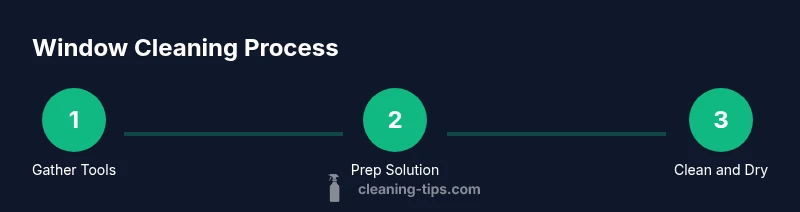
Clear the area around each window to prevent tripping hazards and protect furniture or plants. Gather your squeegee, scrubber, microfiber cloths, spray bottle, and a bucket, then check that blades and cloths are clean. If using a ladder or pole system, set them up away from doors and traffic paths. A quick checklist helps you start without missing essential steps.
Tip: Lay towels or a drop cloth to catch drips and prevent floor damage. - 2
Mix cleaner and test a patch
Fill your spray bottle with the cleaning solution you plan to use, whether a ready-made glass cleaner, diluted dish soap, or vinegar-water. Test on a small, inconspicuous pane or corner to ensure no adverse reactions with frames or coatings. If using water-fed systems, verify water purity and flow rate before starting the first pane.
Tip: Avoid mixing ammonia with vinegar—combine only stable, compatible solutions. - 3
Rinse and prep the first pane
If you’re using a traditional setup, lightly mist the pane to loosen dirt before squeegeeing. For exterior glass, rinse from top to bottom to flood dirt down and away from edges. Keep your cloths clean and ready to dry, and avoid scrubbing too aggressively against the glass.
Tip: Don’t scrub dry glass; moisture is essential for reducing drag. - 4
Apply the squeegee with steady strokes
Hold the squeegee at a slight angle (about 5–10 degrees) and pull downward in smooth, overlapping passes. Wipe the blade with a cloth after every few passes to avoid recirculating dirt. Work methodically from one edge toward the other to minimize drip gaps.
Tip: Keep blade pressure consistent; inconsistent pressure causes streaks. - 5
Detail edges and corners
Use a damp microfiber cloth to wipe along the window edges and corners where the squeegee can’t reach. Dry any remaining moisture with a clean, dry cloth for a crisp finish. Inspect for spots and re-clean only the affected areas to save time.
Tip: Rotate to a clean section of the cloth for best results. - 6
Inspect, final wipe, and store
Review the pane for streaks and re-clean any glare spots. Put tools away clean and dry; rinse cloths and re-wring before the next use. If you finished multiple panes, rinse remaining water from the bucket and let tools air-dry before storage.
Tip: A quick final wipe with a dry cloth can seal the look.
Questions & Answers
What basic tools do I need to clean windows at home?
For a simple home setup, you’ll want a squeegee, a scrubber or pad, microfiber cloths, a spray bottle, and a bucket. Add an extendable pole for high windows and a non-slip ladder if needed. Start with these essentials and expand as you gain experience.
Start with a squeegee, scrubber, microfiber cloths, spray bottle, and bucket; add a pole or ladder if you need reach.
Is vinegar safe for cleaning windows?
Diluted vinegar is commonly used for glass cleaning and is generally safe on most panes. Avoid mixing vinegar with ammonia-based cleaners, and test on a small area first to prevent any adverse reactions with frames or coatings.
Yes, diluted vinegar can work well, but don’t mix with ammonia cleaner.
How can I prevent streaks on glass?
Use a clean squeegee blade, start at the top, and work down in overlapping passes. Wipe the blade with a clean cloth between passes and dry edges with a separate microfiber cloth to remove residual moisture.
Keep your blade clean and go from top to bottom for streak-free panes.
What is a pure water fed pole system?
A water-fed pole system delivers deionized or purified water through an extendable pole to rinse windows without detergents. It’s especially helpful for exterior cleaning and reaching high spots safely.
A water-fed pole uses purified water to rinse from the ground up, reducing need for chemicals.
Are professional-grade tools worth it for home use?
If cleaning windows is a frequent chore, investing in durable tools pays off in faster, more reliable results. For occasional cleaning, basic tools paired with good technique are usually enough.
If you clean often, good tools save time; if rarely, basic gear still does the job.
Watch Video
The Essentials
- Choose an appropriate squeegee width for most panes
- Use clean water and a gentle cleaner to minimize streaks
- Work from top to bottom with steady strokes
- Dry edges with a microfiber cloth for a crisp finish