What to Clean Hardwood Floors With: Safe Cleaning Guide
Learn safe, effective methods for cleaning hardwood floors with pH-balanced cleaners, moisture control, and maintenance tips to protect finishes for long-term care.


To clean hardwood floors safely, start by removing dirt with a soft broom or vacuum with a wood-floor setting. Use a pH-balanced hardwood floor cleaner or a mild soap solution (a few drops of dish soap to a gallon of water). Wring the mop well, wipe in the direction of grain, and dry promptly.
What to Clean Hardwood Floors With: Fundamental Principles
If you are wondering what to clean hardwood floors with, the best practices emphasize minimal moisture and a
Cleaners: selecting safe formulations and what to avoid
Not all cleaners are suitable for hardwood floors. A
Prep steps: clear the space and set up for success
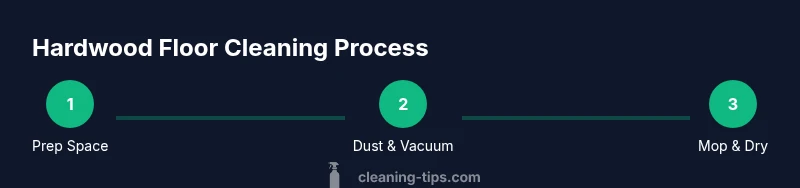
Before you damp-mop, prepare the room. Remove area rugs, furniture, and obstacles that could trap moisture or become damaged. Place towels near doorways to catch drips and use felt pads or coasters under furniture to prevent scratches. Vacuum or sweep thoroughly to remove grit, since grit acts like sandpaper on wood. If you must use a vacuum, choose a model with a hard-floor setting and disable the beater bar to avoid scratching. Prepping the space properly reduces the amount of moisture you’ll introduce and speeds up drying, which helps protect the finish. A well-prepped room is the foundation of a successful clean.
The right mop and technique for even results
A microfiber flat mop or a sponge mop with a microfiber head works best for hardwood floors. Wring the mop until it is only damp, never dripping, to prevent excess moisture from seeping into seams. Start at a far corner and work toward the exit, following the grain of the wood when possible. Use smooth, consistent strokes and avoid wet patches that linger. Rinse the mop frequently to prevent re-depositing dirt. After mopping a section, go over it with a dry microfiber cloth to expedite drying and reduce streaks. This approach keeps the finish shining while reducing the risk of water damage.
Moisture management: controlling exposure and drying
Moisture is wood’s enemy. The recommended method is damp-mopping, not soaking wet cleaning. Use a well-wrung pad and a dilution ratio that matches the cleaner’s directions. Immediately dry any pooled moisture, especially at door thresholds and along baseboards. For spills, blot with a dry cloth first, then clean with your solution to avoid saturating the wood. If you see standing water or cupping, pause and let the floor dry completely before continuing. Entry mats help reduce tracked moisture and protect the finish.
Handling spots, stains, and different finishes on hardwood floors
Spots and stains require attentive techniques to avoid finish damage. For most finishes, a small amount of cleaner on a microfiber cloth will lift the stain without soaking the wood. For tougher spots, use a soft-bristle brush gently and work along the grain. Always test a hidden area first when trying a new cleaner, especially on exotic woods or matte finishes. If a floor has multiple finish types, follow the manufacturer’s guidance for each area and avoid mixing cleaners on the same surface. Proper spot care prevents discoloration and extends the life of the finish.
Eco-friendly and budget-friendly options
Eco-friendly cleaning can be both effective and affordable. Use a gentle,
Routine maintenance and long-term care
Establish a regular cleaning cadence to protect hardwood floors. Light daily or weekly dusting with a microfiber duster minimizes dirt accumulation. A damp mop every one to two weeks, depending on traffic, helps remove residues that sweeping alone misses. Rotate cleaning tasks between rooms to avoid over-wetting any single area. Use protective pads under furniture and rugs to reduce grit and impact. Finally, develop a small seasonal routine: inspect for scratches, reapply protective finishes if needed, and refinish worn areas when necessary to maintain a uniform look.
Tools & Materials
- Soft broom or microfiber dust mop(Use for dry debris; avoid rough textures that scratch wood)
- Vacuum with hardwood-floor setting(Opt for a model that lacks a rotating beater bar on wood surfaces)
- pH-balanced hardwood floor cleaner(Follow label for dilution; avoid mixing with ammonia)
- Mild dish soap (optional, for DIY solution)(Only a few drops per gallon if used; prefer purpose-made cleaner)
- Microfiber mop or sponge mop(Wring until just damp; do not leave a dripping head)
- Microfiber cloths(For drying and spot cleaning)
- Felt pads / furniture coasters(Protects against scratches when moving furniture)
- Distilled water (optional)(Use only if cleaner’s label advises dilution with distilled water)
Steps
Estimated time: 30-45 minutes
- 1
Clear the space
Remove all furniture and rugs from the room. This prevents moisture from being trapped under objects and gives you full access to the floor. Move small items with care to avoid gouges, and place protective pads under anything you relocate.
Tip: Pro tip: Work in a single direction toward the exit so you don’t recontaminate cleaned areas. - 2
Dry-dust and vacuum
Give the floor a thorough dry sweep or vacuum with a hardwood setting to lift dust and grit. Avoid using the beater bar on wood surfaces. A clean surface reduces scratching and helps the cleaner work more effectively.
Tip: Pro tip: Vacuum at slow, deliberate speeds to pick up fine dust. - 3
Prepare your cleaning solution
If using a store-bought cleaner, dilute as directed on the label. For DIY, mix a tiny amount of mild soap in warm water. Ensure the solution is not too concentrated, which can leave residues or dull the finish.
Tip: Pro tip: Test a hidden corner before applying to the whole floor. - 4
Dampen the mop
Wring the mop until it’s barely damp. A dripping mop introduces too much moisture, which can seep into seams and cause swelling. Start in a far corner and work toward the exit to prevent re-wetting cleaned areas.
Tip: Pro tip: Rinse the mop frequently to avoid depositing dirt back onto the floor. - 5
Mop in the grain direction
Move the mop in smooth, controlled motions, ideally following the grain. If the floor has wide planks with grain variations, switch direction subtly to ensure even cleaning.
Tip: Pro tip: Avoid long, overlapping puddles; keep sections damp but not wet. - 6
Dry and inspect
After mopping, go over the floor with a dry microfiber cloth or separate dry mop to hasten drying and reduce streaks. Inspect for any remaining spots and spot-clean them with a minimal amount of cleaner.
Tip: Pro tip: Allow the entire room to air-dry for 15–30 minutes before returning furniture. - 7
Spot treatment for stains
Tackle stubborn spots with a soft cloth and a tiny amount of cleaner. Do not scrub aggressively, which can remove finish. For persistent stains, consult manufacturer guidelines before applying heavier cleaners.
Tip: Pro tip: Always blot instead of rubbing to prevent finish wear. - 8
Return furniture and protect
Once dry, move furniture back into place and reintroduce protective pads. Consider placing doormats at entry points to minimize tracked moisture in future cleanings.
Tip: Pro tip: Reapply felt pads periodically to avoid metal-on-wood contact.
Questions & Answers
Can I use vinegar on hardwood floors?
Vinegar is not recommended for most hardwood floors, especially those with polyurethane finishes, because acidity can dull the finish over time. If you want a natural option, opt for a diluted, pH-neutral cleaner and test first.
Vinegar is not usually recommended for hardwood floors; it can damage the finish. Consider a pH-neutral cleaner and test first.
Is steam cleaning safe for hardwood floors?
Steam cleaning can force moisture into joints and warp wood. Avoid steam cleaners on solid hardwood and use damp mopping with a microfiber pad instead.
Steam cleaning can damage wood floors; skip it and use a damp mop with microfiber.
How often should I clean hardwood floors?
Perform light cleaning weekly, with damp mopping as needed. Do a deeper clean every 1–2 months depending on traffic, pets, and whether you have area rugs.
Clean weekly with a damp mop; deep clean every month or two depending on use.
Should I wax or seal hardwood floors after cleaning?
Most modern polyurethane floors don’t require waxing. Waxing can cause buildup and may require stripping in the future. Follow the flooring manufacturer’s recommendations.
Most polyurethane floors don’t need waxing; follow the manufacturer’s guidance.
What’s the difference between damp-mopping and wet-mopping?
Damp-mopping uses a barely damp mop to limit moisture, while wet-mopping uses more liquid. Always wring out the mop well and avoid pools of water on wood.
Damp-mopping is safer because it minimizes moisture; avoid leaving water on the floor.
Can I use homemade cleaners on all wood finishes?
Homemade cleaners can work, but effectiveness and safety depend on your polish or finish. Test any DIY mix in a small area and use minimal concentrations.
DIY cleaners can work, but test first and use low concentrations.
Watch Video
The Essentials
- Choose a pH-balanced cleaner and damp mop.
- Avoid excess moisture and protect seams.
- Dry promptly after cleaning to prevent water damage.
- Test finishes before applying new cleaners.
- Use pads and mats to minimize scratches.