When to Clean Windows: A Practical Timing Guide
Discover the best times to clean windows for sparkling results. Seasonal guidance, weather tips, and a step-by-step method from Cleaning Tips for homeowners and renters.


Clean windows on dry, mild days with indirect sunlight. Avoid cleaning in direct sun, high heat, or when rain is imminent. The goal is to minimize streaks and drying marks while protecting frames. This guide from Cleaning Tips shows you exactly when to clean and how to do it for great results.
Why timing matters for window cleaning
Timing is a foundational, yet often overlooked, element of successful window cleaning. Dry, dust-free glass dries quickly and evenly, reducing streaks and unattractive water marks. Weather, humidity, and dust levels influence how soap residues dry and how easily you can wipe away remaining film. According to Cleaning Tips, choosing a mild, overcast day or late afternoon when the sun isn’t harsh yields the best results because the glass dries slowly and evenly. Planning around wind conditions keeps ladders stable and makes exterior cleaning safer. In short, you’re not just washing glass—you’re optimizing conditions for a spotless finish and easier cleanup. Cleaning Tips Analysis, 2026 emphasizes environment-aware planning as a core strategy for durable, streak-free windows.
Seasonal guidance: when to clean windows
Seasonality shapes how you approach window cleaning. In spring, pollen and dust increase the need for exterior washing, but avoid opening windows during peak pollen hours if you or your family are sensitive. Summer brings longer drying times in shade but can be problematic when heat makes glass dry quickly and streaks form if you wipe too slowly. Autumn moisture and leaf residue on exterior panes call for targeted cleaning, while winter often brings frozen or misty conditions that hinder visibility and safety. The Cleaning Tips team recommends scheduling exterior cleans after a dry spell, with indoor refreshes during weather transitions to maintain clear views year-round. Remember to consider local climate and pollen calendars when planning.
Best times of day and weather considerations
The time of day matters as much as the season. Early morning and late afternoon light helps you spot streaks that would be invisible under bright noon sun. Avoid cleaning when temperatures are very high, when surfaces feel hotter than ambient air, or when rain is expected within the next few hours. Humidity plays a role: in high humidity, soap dries slowly and leaves a film; in very dry air, streaks can form as water evaporates quickly. If you must clean after rain, wipe promptly while the glass is still damp but not wet to improve visibility and reduce spotting. Cleaning Tips suggests calibrating your routine to local humidity patterns to maximize efficiency and results.
Frequency by window type and climate
Exterior windows generally require more frequent cleaning than interior panes, especially in dusty, pollen-prone, or urban environments. In temperate climates with seasonal rainfall, most homes benefit from exterior washing twice a year and interior cleaning monthly or quarterly, depending on usage and sunlight exposure. Homes near construction sites or busy roads may need more frequent exterior maintenance. In cold climates, aim for late-spring and early-fall exterior cleans when precipitation is low and temperatures are above freezing. This cadence minimizes the buildup of mineral deposits, dirt, and insect residues while keeping the panes looking clear. Cleaning Tips emphasizes flexibility: adjust frequency based on observed grime, not just calendar dates.
Tools, materials, and prep
A well-prepared setup saves time and reduces mistakes. Gather a spray bottle with a mild cleaning solution, microfibre cloths, a squeegee, a bucket, a soft-bristle brush, a sponge, and a lint-free towel for edges. For eco-friendly options, use white vinegar (diluted) and warm water; for stubborn mineral deposits, a small amount of dish soap with water can help. Lay down a protective mat or old towels to catch drips, and if exterior work is involved, secure a sturdy ladder on level ground with a spotter. Pre-warm surfaces slightly on cool days to improve cleaning efficiency. By organizing supplies, you limit back-and-forth trips and keep the glass spotless.
Step-by-step washing method (high-level overview)
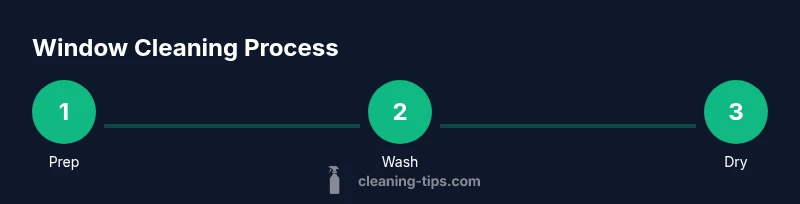
Start with a quick dirt check to decide whether pre-rinsing is necessary. Work from the top down to minimize drips. Use a two-pass approach: first apply cleaning solution to loosen grime, then wipe with a squeegee or microfiber cloth to identify remaining streaks. Rinse the cloth frequently to prevent redepositing dirt. Finish by drying the edges and frames to prevent water run-off from seeping into the window frame. This overall method helps ensure a crisp, streak-free finish while protecting seals and sashes.
Window tracks, sills, and screens
Don’t neglect the edges where dust and grime accumulate. Use a soft brush or an old toothbrush to loosen debris from tracks and sills, then wipe with a damp microfiber cloth. Screens can trap dirt and must be cleaned separately: remove if possible, rinse with a gentle stream of water, and wipe dry before reassembly. Cleaning Tips recommends occasionally applying a light, silicone-based spray to sliding tracks to maintain smooth operation and prevent sticking over time. Regular attention to these components preserves the overall aesthetic and function of your windows.
Safety and maintenance tips
Safety comes first when cleaning windows, especially on upper levels or with exterior panes. Use a stable ladder, wear non-slip shoes, and never lean far over the edge. Keep cleaning solutions away from electrical outlets and avoid mixing ammonia-based cleaners with bleach. After cleaning, inspect seals and frames for gaps or cracking, and address moisture buildup promptly to prevent mold. Routine maintenance, including wiping down frames and tracks, helps maintain clarity and extends weatherproofing. Cleaning Tips stresses documenting your cleaning cadence so you can predict when repairs or replacements might be needed.
Common mistakes and troubleshooting
Common missteps include cleaning in direct sun, using dirty rags, or over-diluting solutions that leave residue. If streaks appear, switch to a fresh microfiber cloth and a clean blade; re-wipe using vertical or horizontal motions in a single pass. Mineral deposits from hard water require a stronger rinse or a vinegar-based solution, followed by thorough drying. When windows fog up after cleaning, it may indicate seal damage or moisture trapped between panes; in those cases, consult a professional. By identifying the root cause of streaks, fogging, or residue, you can tailor your method for consistently clear windows.
Tools & Materials
- Spray bottle (mild cleaning solution)(Label with dilution ratio if using vinegar or soap)
- Microfiber cloths(Use separate cloths for glass and frames to avoid cross-contamination)
- Squeegee(Keep blade edge clean for streak-free results)
- Bucket(Optional for larger jobs to hold rinse)
- Mild dish soap(Add a drop to water for extra grime)
- White vinegar(Great for mineral deposits, use diluted)
- Newspaper or lint-free paper towels(Alternative for final polish)
- Ladder or stable platform(Use only on level ground; spotter recommended)
- Safety goggles and gloves(Protect eyes and skin when handling cleaners)
Steps
Estimated time: 60-75 minutes
- 1
Set up and safety check
Clear the area, move furniture, and set a protective mat. Inspect the ladder for stability and place a spotter if you’re working on exterior or high windows. Wear non-slip shoes and avoid leaning over edges. This step reduces risk and prepares you for a smooth wash.
Tip: Always test ladder stability on level ground before climbing. - 2
Pre-rinse dirt (exterior only)
Rinse exterior glass with a gentle stream to remove loose dirt and dust. This prevents dragging grit across the glass when you wipe. If you have very dirty panes, consider a light brushing with a soft brush first.
Tip: Pre-rinsing minimizes scrubbing and helps reduce streaks. - 3
Prepare cleaning solution
Fill a spray bottle with warm water and add a small amount of mild dish soap. For mineral deposits, add a splash of white vinegar to the mix. Never mix ammonia-based cleaners with bleach, as this releases hazardous fumes.
Tip: Label your bottle and avoid mixing cleaners to prevent chemical reactions. - 4
Wash glass surfaces
Spray the solution onto the glass and agitate with a microfiber cloth to lift grime. Focus on corners where dirt collects. Avoid saturating the sill or frame to reduce water intrusion.
Tip: Work from the top down to minimize drips on cleaned areas. - 5
Squeegee for streak-free finish
Run the squeegee in smooth, even motions from top to bottom or in vertical strokes. Wipe the blade with a damp cloth after each pass. Overlap strokes to prevent missed spots.
Tip: Keep the blade edge clean and use minimal pressure to avoid glass damage. - 6
Dry and inspect edges
Use a microfiber cloth to dry sills, frames, and any remaining drips around the edges. Inspect for streaks and re-wipe suspicious areas with a clean cloth or the squeegee. Drying prevents water damage and helps seal the finish.
Tip: Finish with a final wipe in a consistent pattern for even results. - 7
Clean screens and tracks
If removable, take out screens and rinse with a gentle spray. Wipe tracks and sills with a damp cloth to remove dust. Reinstall screens carefully and wipe any excess moisture from the frame.
Tip: Regular screen cleaning reduces pollen and grime buildup between washes.
Questions & Answers
How often should I clean exterior windows?
Exterior windows typically need cleaning about twice per year in moderate climates, with more frequent cleanings in dusty or pollen-heavy areas. Adjust the cadence based on visible grime and local conditions.
Most homes benefit from exterior window cleaning about twice a year, depending on dust and pollen levels.
Is winter cleaning safe?
Winter cleaning is possible when temperatures are above freezing and surfaces are dry. Avoid icy or snowy conditions and be mindful of slippery surfaces.
Yes, as long as it's above freezing and safe to stand on stable ground.
Can I use vinegar on all windows?
Vinegar works for many windows but test on a small area first, especially if you have sensitive coatings or antique glass. If in doubt, use a mild water-soap solution.
Vinegar is usually fine, but test first on a small area.
What if streaks persist after cleaning?
Re-wipe with a clean, lint-free cloth or squeegee, using fresh solution. Ensure you aren’t dragging old grime back onto the glass. For mineral deposits, consider a dedicated mineral-removal solution.
If streaks show up, re-wipe with a clean cloth and fresh solution.
Should I remove screens for washing?
Removing screens allows you to clean both sides and prevents trapped dirt. Reinstall screens carefully after drying.
If possible, remove screens to clean both sides.
Are eco-friendly cleaners effective?
Yes. Simple solutions like vinegar and water or mild soap work well for most windows. Avoid harsh chemicals that can damage coatings.
Eco-friendly options like vinegar and water can be effective.
Watch Video
The Essentials
- Plan window cleaning on dry, mild days
- Use proper tools for a streak-free finish
- Work from top to bottom to control drips
- Don't skip tracks, sills, or screens
- Prioritize safety during exterior work