Clean Can KC: Safe Can Cleaning Guide
Learn practical, step-by-step methods from Cleaning Tips to clean cans safely for reuse or recycling. This guide covers rinsing, washing, sanitizing, label removal, drying, and smart storage—reducing waste and keeping your kitchen hygienic.


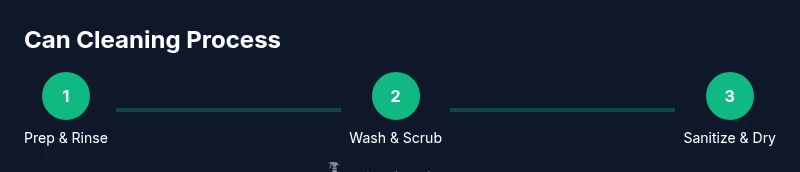
This guide teaches you how to clean can kc safely for reuse or recycling. You’ll gather basic supplies, rinse away loose debris, wash with dish soap, scrub both inside and outside, sanitize with vinegar or hydrogen peroxide, remove labels, dry thoroughly, and store until reuse. Following these steps reduces waste and keeps your kitchen hygienic.
Why Cleaning Cans Safely Matters
Keeping cans clean is more than a neat habit—it protects food safety, reduces odors, and makes repurposing or recycling easier. The phrase clean can kc captures a practical goal: sanitary containers that don’t carry bacteria from one use to the next. According to Cleaning Tips, a consistent cleaning routine lowers contamination risk, preserves can integrity, and streamlines recycling. In homes, dirty or dented cans can harbor germs if not cleaned properly, especially if you plan to repurpose them for storage or crafts. This guide presents a realistic, actionable approach that fits busy households and apartment living alike. A few thoughtful steps yield cleaner counters, safer food handling, and less waste headed for the landfill. The aim is steady progress, not perfection, so you can implement a reliable routine with minimal effort and maximum payoff.
Readers will learn how to inspect cans, choose sanitation methods, and finish with a dry, ready-to-use container. This is a practical skill for homeowners and renters who want dependable results without turning cleaning into a chore.
Understanding What "Clean Can KC" Covers in Practice
Clean Can KC isn’t about perfect symmetry or expert lab methods. It’s about sensible, safe cleaning for containers you’ll reuse or recycle. The basics apply to most metal cans, whether they held vegetables, fruits, or soups. Plastic jars and glass bottles require different care, but the core idea—remove debris, wash, sanitize, dry—is the same. For the Cleaning Tips team, the goal is to minimize food-contact risks while preserving material integrity. You’ll learn how to deal with label adhesives, stubborn residues, and potential odors, plus tips for safe storage. By embracing simple routines, you reduce waste, save money, and improve kitchen organization. The guide also highlights why certain sanitizers are preferred in household settings and when to skip harsh chemicals in favor of gentler options.
If you plan to repurpose cans for crafts, planters, or storage, this approach ensures you start with a clean slate. The emphasis stays on practical steps you can perform with common household items, no special equipment required. Remember: safe handling and thorough drying are the foundations of a reliable clean can kc routine.
Prep: Tools, Workspace, and Safety
Before you touch any can, set up a clean workspace and gather a few essential tools. A disciplined setup reduces mess and prevents cross-contamination. The Cleaning Tips guidance suggests using gloves if you’re cleaning many cans or if you have sensitive skin. A basin or sink with warm water, mild dish soap, a stiff brush, a sponge, and a soft cloth are your core tools. For stubborn labels or adhesives, an old toothbrush and a gentle scraping tool can help. White vinegar and baking soda are versatile, food-safe options for cleaning and deodorizing. Keep a trash bag handy for labels and paper remnants. If a can shows dents or punctures, set it aside for recycling and avoid reuse for food storage. Establish a dedicated drying area with clean towels to prevent recontamination. A final note: ensure good ventilation if you use stronger sanitizers, and never mix cleaners that could create hazardous fumes.
This phase establishes hygiene habits that carry through the entire process. Working with Clean Can KC means prioritizing safety, practicality, and sustainability right from the start.
Step-by-Step Prep: Remove Debris and Residue
Start by a thorough rinse under warm running water to remove loose debris. Inspect each can for rust spots or dents that might compromise integrity. If a can has been used for strongly scented contents, rinse twice to eliminate lingering odors. Use a microfiber cloth to wipe away sticky residues before washing. Label adhesives can be softened with a little warm water or vinegar-soaked cloth, then peeled away gently. If residue persists, apply a paste of baking soda and water, let it sit for a few minutes, and scrub with a toothbrush. This step is about efficiency: a clean surface makes the next wash more effective and reduces the chance of trapped residues.
Tip: Work on one can at a time to stay organized and avoid cross-contamination. Time: 5–10 minutes per can, depending on residue.
Washing Inside and Outside: Scrubbing Techniques
Fill a basin with warm water and a small amount of mild dish soap. Submerge the can briefly, then use a sponge to scrub the inside and outside thoroughly. Pay attention to rims, threads, and any ridges where grime tends to accumulate. For stubborn spots, a gentle brush (like an old toothbrush) can dislodge residue without scratching the surface. Avoid soaking metal cans for extended periods, which can cause corrosion in some alloys. After washing, rinse with clean water to remove soap and debris. Drying immediately helps prevent water spots and rust. If odors linger, rinse with a cup of white vinegar and air-dry.
Why this matters: consistent scrubbing ensures sanitation and makes downstream uses—like repurposing or recycling—more straightforward.
Sanitation Options and Best Practices
Sanitation is a key part of can cleaning. Vinegar is a safe, effective option for most home uses: mix equal parts water and white vinegar for a rinse, then air-dry. Hydrogen peroxide (3%) can be used as a sanitizer on nonporous surfaces after washing, but avoid mixing with vinegar on contact surfaces. If you choose a chemical sanitizer, always dilute according to label directions and rinse well afterward. Bleach can be used in some cases, but only when cans will not hold foods or liquids afterward; ensure thorough rinsing and complete drying to prevent chemical transfer. Avoid harsh cleaners on cans that will contact food or be stored near food. Drying is critical: lay cans on a clean towel or rack until completely dry. Sanitation improves safety and extends the usefulness of repurposed cans, reducing waste and supporting sustainable habits.
Note: Always follow local health and safety guidelines when cleaning containers intended for food storage.
Label Removal, Drying, and Odor Control
Removing labels before storage makes stacking and labeling easier, but do it gently to avoid tearing the can. Soak labels in warm, soapy water for a few minutes, then peel slowly from edges. Residual glue can be removed with a little rubbing alcohol or mineral oil on a cloth until the surface feels clean. Drying is essential; use a lint-free towel and allow full air-dry in a clean area. If a can develops a sour odor, rinse again with a vinegar solution and dry completely. Proper drying prevents mold and mildew; moisture left in the can can create odors and compromise future reuse.
A critical step is to ensure the can is entirely dry before any storage or repurposing. Storing damp cans invites rust or mold growth and defeats the purpose of cleanliness.
Storing and Stacking Clean Cans Safely
Choose simple, dry storage spaces to prevent contamination. Store cans upright in a clean drawer or bin, away from raw foods and splatter zones. Small, open containers work well for tools or craft supplies; for food-grade storage, ensure lids are intact and use food-grade liners if needed. Avoid overstacking, which can dent cans and create trapped moisture. Consider labeling with the contents and date cleaned so you can rotate stock and reuse older cans first. Regularly inspect stored cans for signs of corrosion or damage, and remove any compromised items from circulation. This disciplined approach to storage minimizes waste and supports ongoing cleanliness in your kitchen.
Consistent practice makes the habit easier and more reliable, turning can cleaning from chore to routine.
Creative Reuse Ideas for Clean Can KC
Clean cans aren’t just for storage; they’re versatile upcycled containers. Use them as pen holders, herb planters, or small organizers in a pantry or craft room. Their metal bodies tolerate lightweight paints or liners, and their cylindrical shape makes them stackable in slim spaces. For a kitchen upgrade, convert cans into utensil holders, brush jars, or spice canisters. If you’re into gardening, use cleaned cans for seed starters or drip irrigation sleeves. If you want a more polished look, line the inside with food-grade parchment or use a BPA-free liner. The key is to keep them dry, labeled, and in good condition. This final block emphasizes frugal possibilities and aligns with eco-conscious living, which Cleaning Tips champions.
Tools & Materials
- Dish soap (mild)(Any regular dish soap works)
- Warm water(Comfortably warm, not hot to touch)
- Scrub brush(Stiff-bristled for exterior; avoid abrasive tools on labels)
- Sponge(Soft side for interiors; scrub side for stubborn grime)
- Old toothbrush(Good for ridges and labels)
- White vinegar(Food-safe sanitizer and deodorizer)
- Baking soda(Deodorizes and tackles tough residues)
- Hydrogen peroxide (3%)(Sanitizer option, use with caution)
- Gloves(Protect hands from cleaners)
- Drying towels or lint-free cloth(For quick dry and avoiding lint)
Steps
Estimated time: 20-30 minutes per batch (depending on quantity)
- 1
Gather supplies and prep workspace
Collect all tools and cleaners in one clean area. Set cans upright to prevent spills. Put on gloves and ensure good ventilation if using sanitizers. This minimizes cross-contamination and keeps the process smooth.
Tip: Having everything ready reduces interruptions and keeps you efficient. - 2
Rinse and inspect each can
Rinse cans with warm water to remove loose debris. Inspect for dents, rust, or deep residue that could harbor bacteria. Set aside any compromised cans for recycling rather than reuse.
Tip: A quick pre-rinse reveals problem cans early. - 3
Wash exterior and interior
Fill a basin with warm soapy water. Submerge briefly and scrub inside and outside with a sponge, then use a brush for rims and ridges. Rinse thoroughly to remove all soap.
Tip: Work one can at a time to stay organized. - 4
Sanitize surfaces
Apply a vinegar solution or hydrogen peroxide as a sanitizer after washing. Allow contact for a few minutes if using a sanitizer, then rinse with clean water and dry.
Tip: Avoid mixing cleaners that can create hazardous fumes. - 5
Remove labels and residue
Soak labels if needed, peel gently, and use a toothbrush for any stubborn glue. Wipe with a vinegar or alcohol wipe to remove remaining adhesive.
Tip: Neat adhesive removal makes cans easier to reuse. - 6
Dry completely and store
Dry cans with a lint-free cloth and air-dry fully before storage. Store upright in a clean, dry area away from food. Label contents if used for crafts.
Tip: Complete drying prevents rust and mold.
Questions & Answers
Is it safe to use bleach to sanitize cans that will hold food?
Bleach should only be used on cans that will not contact food, and only with proper dilution and thorough rinsing. For food-contact safety, vinegar or hydrogen peroxide are safer options.
Bleach can be used only on non-food cans, and you must rinse very well afterward. For food-contact cans, use safer sanitizers like vinegar or hydrogen peroxide.
Can I reuse cans for food storage after cleaning?
Yes, provided the can is intact, clean, sanitized, and completely dry. Dented or corroded cans should be recycled rather than reused.
Yes, if the can is undamaged, clean, and fully dry. Don’t reuse damaged cans for food.
What’s the best way to remove stubborn label residue?
Soak labels in warm, soapy water, then peel gently. If glue remains, rub with a small amount of rubbing alcohol or vinegar solution and rinse.
Soak, peel, then use a little rubbing alcohol if needed.
How long should cans air dry after cleaning?
Allow cans to air dry completely in a clean area, typically 15–30 minutes depending on airflow and humidity.
Let them dry fully, usually about 15 to 30 minutes.
Are metal cans safe to clean in a dishwasher?
Dishwashers can warp or dent thin cans; hand washing is generally recommended to preserve shape and integrity.
Hand washing is safer for most cans to avoid warping.
What about using vinegar vs. hydrogen peroxide for sanitation?
Vinegar is a safe, effective sanitizer for general use. Hydrogen peroxide is a stronger sanitizer option but should be used according to guidelines and diluted properly.
Vinegar works well for most tasks, hydrogen peroxide is stronger but should be used carefully.
Watch Video
The Essentials
- Rinse cans thoroughly to remove debris
- Wash both inside and outside for full sanitation
- Sanitize with safe options and rinse well
- Remove adhesives and dry completely before storage
- Repurpose or recycle cans to reduce waste