How to Clean Creatine: Spill Cleanup and Storage Tips
Learn practical steps to keep creatine clean, prevent spills, and store it safely. This guide covers handling, cleanup, and safe surface care for a healthier home.


You will learn how to clean creatine spills, disinfect surfaces, and store creatine properly to prevent contamination. This quick guide covers containment, safe cleaning methods, and container care, plus safety reminders for homes. Follow these practical steps to keep your kitchen or workout area clean, minimize waste, and preserve creatine potency for longer.
What clean creatine means in everyday cleaning
In home cleaning, the phrase clean creatine refers to the practice of handling, cleaning, and storing creatine supplements to minimize powder residue, prevent cross-contamination, and preserve potency. Cleaning Tips explains that practical hygiene reduces airborne dust and surface staining, especially in kitchen counters and gym areas where powder can settle. By treating creatine like any other kitchen supplement—careful scooping, prompt cleanup, and proper containment—you ensure a healthier, more organized space. This approach is especially important for households with children or pets, where dust and residue can be accidentally ingested. Start with a simple rule: keep powders contained, clean spillage promptly, and sanitize surfaces after use. When you do this consistently, you’ll notice less mess, easier maintenance, and more reliable dosing for every workout or daily routine. The goal is not perfection, but repeatable cleanliness that supports routine hydration and supplement adherence.
Cleanliness and safety: why it matters for supplements
Creatine powders are fine and inert in itself, but like any powder, they can spread across surfaces and into air currents if not managed properly. Regular cleaning helps prevent residue buildup that can attract dust, bacteria, and moisture. Clean creatine also reduces the chance of cross-contact with other foods or supplements, which is especially relevant in shared kitchen spaces. In households that prepare meals near fitness areas, a clean approach minimizes contamination risk and supports a calm, tidy environment. Following best practices—using dry containment, mild cleaners, and proper storage—helps maintain product integrity and ensures the powder remains free-flowing and easy to measure. For safety, always wash hands before handling supplements, wipe spills promptly, and avoid mixing cleaning products that could react with plastics or produce fumes.
Managing spills and residue on counters and appliances
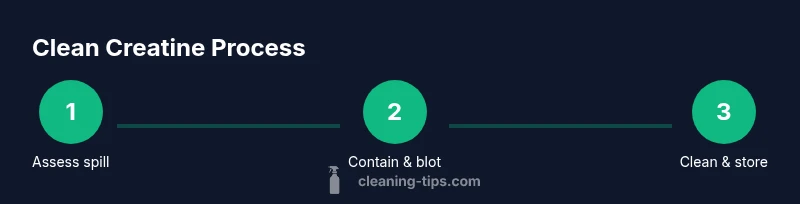
Powder spills can quickly become aerosolized if brushed, so it’s best to absorb them first with dry towels or a microfiber cloth. Start by placing a barrier of towels around the spill to keep it from spreading. Then blot rather than wipe, using light pressure to lift powder without pushing it into gaps. Once absorbed, clean the area with warm water and a mild dish soap solution, and rinse with a clean, damp cloth. Dry thoroughly to prevent moisture buildup. For appliances like blenders or coffee makers, remove detachable parts and wipe all surfaces with the same approach, paying attention to crevices and seals where powder can hide. After cleanup, inspect the area for any remaining residue and repeat if necessary. Keeping the work area clean reduces dust and makes dosing more accurate next time.
How to store creatine properly to stay clean and potent
Store creatine in a tight-sealing container in a cool, dry place away from direct sunlight and heat. The container should be free of cracks and should have a gasket or lid that seals well to prevent moisture ingress. When transferring powder from a bulk bag to a smaller container, do so over a clean surface and immediately reseal the bag or transfer to a storage jar. Label containers with the fill date to monitor freshness. Avoid transparent jars if you’re keeping it in a bright pantry; if you must use clear glass, ensure the space is darkened or covered to reduce light exposure that can degrade certain ingredients. For households that use prep tables or shared surfaces, designate a clean spot for supplement storage and keep it separate from foods.
Cleaning tools and surfaces: safe choices and routines
Choose non-abrasive tools such as microfiber cloths, soft sponges, and gentle dish soap. Avoid rough scrub pads that can scratch plastic containers or left-over residues. For surfaces, a mild soap solution followed by a rinse with clean water is typically sufficient; consider a light spray disinfectant if the area is high-traffic, but avoid products that could react with plastics or leave strong odors. Maintain a regular wipe-down schedule—after each use, if you’re keeping creatine near food prep, or at least a few times per week. Dry surfaces completely to prevent moisture buildup that can attract mold or mildew. If you’re concerned about mineral deposits or hard water, a little baking soda paste can help gently lift residues without damaging surfaces.
Weekly maintenance and a simple checklist
Create a simple weekly routine to keep creatine clean and ready for use. Checklist: inspect storage container for cracks; wipe exterior with a damp cloth; confirm the lid seals tightly; wipe the measuring scoop and any utensils; check for moisture in the container; replace if damp; refresh shelf organization to prevent clutter. Include a quick surface clean in the area where you measure and scoop each week, and if you notice any unusual odors or color changes, consider replacing the container or performing a deeper clean. Keeping notes helps track freshness and ensures you’re consuming fresh creatine.
Quick-start routine you can adopt today
To begin right now, designate a dedicated clean zone for creatine in your kitchen or workout area. Gather your materials, wipe down the area, and ensure the storage container is sealed. As you scoop, keep the container away from food and avoid breathing in the powder by using a small scoop and gentle motion. After use, wash your hands, dry the area, and store the container properly. This simple routine sets the foundation for ongoing cleanliness and product quality.
AUTHORITY SOURCES
For reliable information on creatine safety and best practices, consult official resources such as the NIH Office of Dietary Supplements and the NCCIH. These organizations provide science-based guidance on supplement handling, safety, and storage. While individual experiences may vary, following established hygiene steps helps maintain product integrity and a clean home environment.
Next steps and quick reference
Now that you know how to clean creatine effectively, you can implement a quick-start routine, keep a ready-to-go cleaning kit, and set up a dedicated storage space. Use the tips in this guide to reduce powder spread, protect surfaces, and extend the freshness of your creatine. Regular, calm cleaning practices map to better adherence and safer, tidier kitchens.
Tools & Materials
- Paper towels(for blotting spills)
- Microfiber cloth(non-abrasive and dust-trapping)
- Mild dish soap(dilute in warm water for cleaning)
- Warm water(for rinsing surfaces)
- Disinfectant wipes (optional)(surface sanitizing after heavy use)
- Airtight container or sealed lid(for transferring or resealing creatine powder)
- Gloves (optional)(hand protection during cleaning)
Steps
Estimated time: 15-25 minutes
- 1
Assess spill and contain
Quickly scan the area to identify the spill boundary. Place towels around the spill to prevent spreading and to create a contained work zone. This reduces airborne powder and makes cleanup easier.
Tip: Containment minimizes dust spread and makes the cleanup more efficient. - 2
Gather cleaning supplies
Collect paper towels, microfiber cloths, mild soap, and a small scoop or spoon. Having everything on hand prevents multiple trips and reduces dust.
Tip: Set up a dedicated cleaning kit near the spill area. - 3
Blot, don’t wipe, the spill
Gently blot the powder with a dry towel to absorb as much as possible. Press lightly to avoid pushing powder into seams and cracks.
Tip: Blotting traps powder particles rather than spreading them. - 4
Wash the area with soap and water
Mix a small amount of mild dish soap with warm water. Wipe the surface, then rinse with a clean damp cloth to remove soap residue.
Tip: Rinsing prevents sticky residues that attract more dust. - 5
Dry thoroughly and inspect
Dry the area completely with a clean towel. Check for any remaining specks and repeat the wipe if needed.
Tip: Moisture invites mold; dry thoroughly before returning to use. - 6
Clean containers and scoops
Wipe the exterior of the creatine container and scoop with the same mild soap solution. Dry before resealing to maintain powder integrity.
Tip: Keep scoops and containers clean to avoid cross-contamination. - 7
Store creatine properly
Seal the container tightly and store in a cool, dry place away from sunlight. Label with date and batch if applicable.
Tip: A good seal protects freshness and reduces clumping. - 8
Sanitize the area (optional)
If the spill area is high-traffic, wipe with a mild surface sanitizer approved for food-contact surfaces, then rinse and dry.
Tip: Avoid harsh solvents on plastic surfaces. - 9
Review and maintain routine
Add short maintenance prompts to your weekly routine, like checking the lid seal and wiping the measuring scoop after every use.
Tip: Consistency beats intensity for long-term cleanliness.
Questions & Answers
Is it safe to inhale creatine powder?
In general, try to avoid inhaling powder. Spills can irritate airways, so contain and pick up powder promptly using dry towels. Provide ventilation if there is a lot of dust.
Avoid inhaling creatine powder and ventilate the area. If exposure occurs, rinse with water and move to fresh air.
Can I mix creatine with hot liquids?
Creatine dissolves better in cold to warm liquids. Hot liquids can cause some degradation and may reduce effectiveness over time. Use room temperature or warm water instead.
Creatine should be mixed with cold to warm liquids, not hot. It helps maintain potency.
How should I store creatine to stay clean and effective?
Keep creatine in a tightly sealed container, in a cool, dry place away from direct sunlight. Avoid moisture and heat exposure to preserve texture and potency over time.
Store creatine in a sealed container in a cool, dry place away from sunlight.
What should I do if powder gets on skin or clothes?
Rinse the skin with water and wash contaminated clothing to remove residue. Avoid rubbing the skin and wash hands after cleaning to prevent spread.
Rinse skin with water if contact happens, and launder any affected clothing.
Are there cleaning agents I should avoid around creatine?
Avoid strong solvents or cleaners that can degrade plastics or leave strong odors. Stick to mild dish soap and water for routine cleaning, and test any new cleaner on a small area first.
Stick to mild cleaners; avoid harsh solvents near your containers.
Do I need to sanitize the cleanup area regularly?
Sanitizing is optional for low-traffic areas, but helpful in kitchens or gyms. Use a food-safe cleaner and allow surfaces to dry completely before reuse.
Sanitizing is optional for low-traffic spaces, but useful in busy areas.
Watch Video
The Essentials
- Contain spills promptly to prevent spread
- Use mild cleaners and rinse well
- Seal containers to protect freshness
- Wipe utensils and scoops after use
- Maintain a clean routine for better dosing