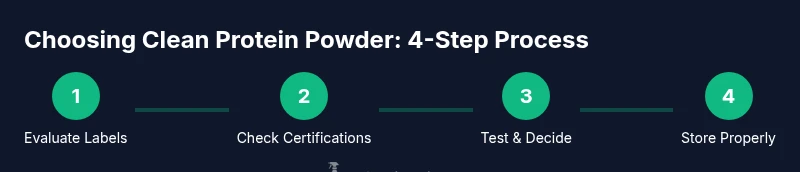
How to Choose and Use Clean Protein Powder
Learn how to choose clean protein powder, read labels for purity, and store it properly. This step-by-step guide from Cleaning Tips covers selecting, using, and maintaining protein powders with minimal additives for a healthier kitchen.


In this guide you’ll learn how to choose clean protein powder, read labels for purity, and use it safely in everyday meals. We cover what clean means in protein powders, how to spot red flags, and practical tips for mixing, storage, and cleaning your kitchen tools. By following these steps you’ll confidently select powders with minimal additives and maintain kitchen hygiene. Cleaning Tips provides a practical framework for safer nutrition in busy homes.
What clean protein powder is and why it matters
Clean protein powder is a practical way to boost daily protein intake without unnecessary additives, artificial sweeteners, or hidden fillers. In practice, the term refers to powders that prioritize transparent labeling, simple ingredient lists, and trustworthy sourcing. The Cleaning Tips team finds that when people prioritize purity, they report fewer digestive issues and greater confidence in their daily nutrition. Key criteria include ingredient-list simplicity, absence of undesired fillers, non-GMO status where applicable, and accessible information about manufacturing practices and batch testing. This section helps you understand how to evaluate a powder’s cleanliness in real-world terms and how those choices influence flavor, texture, and long-term adherence. Reading reviews and cross-referencing third-party testing can further confirm a powder’s safety and consistency. In short, clean protein powder is less about a brand label and more about visible, verifiable quality.
How to read labels: purity, sourcing, and certifications
Label literacy is the cornerstone of choosing clean protein powder. Start with the ingredient list: fewer ingredients usually signal a cleaner product, but watch for vague terms like natural flavors which can mask sweeter compounds or synthetic additives. Look for third-party testing seals from recognized organizations and certifications that indicate quality control steps, such as lot-specific testing and allergen management. Sourcing transparency matters too—note where the protein originates, whether the plant or animal-based source is sustainably produced, and if the product discloses anti-doping or contaminant screenings. Informed Choices and NSF certifications are common benchmarks; meanwhile, some powders publish batch numbers and lab results on their websites. Cleaning Tips analysis shows that powders with clear, verifiable data inspire more confident daily use and a smoother path to dietary goals.
Protein types and finishing touches (flavors, sweeteners) for different goals
Proteins come in several forms, each with its own texture, absorption rate, and suitability for different diets. Whey isolate typically offers higher protein per scoop with fewer carbohydrates and lactose, while whey concentrate may be gentler on the wallet but carries more calories. Plant-based options — such as pea, rice, or a blend — can match amino acid profiles when thoughtfully formulated. For clean labeling, focus on powders that avoid unnecessary additives and opt for natural sweeteners in modest amounts. If you’re sensitive to sweeteners, consider unflavored or lightly flavored options and pair with real foods to balance taste and nutrition. The goal is to meet daily protein targets without compromising your dietary principles, whether you’re dairy-free, vegan, or low-sugar.
Practical kitchen practices to minimize contamination while using protein powder
Keep your kitchen hygienic when handling protein powder to preserve its quality and safety. Store powders in a cool, dry cabinet away from moisture, heat, and sunlight, ideally in the original container with the seal intact. Use a clean scoop kept separate from other ingredients to prevent cross-contact, and wash it after each use. Rinse the shaker bottle promptly and wash with mild dish soap; dry thoroughly before reusing. Moisture is the enemy of powder quality, so avoid leaving the container open for long periods and inspect the powder for clumping, which can indicate moisture exposure. Regularly wipe down shelves and containers to remove dust and potential powder residue. By maintaining clean surfaces and tools, you protect taste, texture, and overall nutritional integrity of your clean protein powder.
Smart usage: mixing, timing, and absorption
To maximize absorption and minimize digestive discomfort, mix clean protein powder with water or milk (or a fortified plant-based beverage) 15–30 minutes after a meal or as a post-workout shake. Use the recommended serving size on the label and consider pairing with a small amount of healthy fats or fiber to slow digestion and improve amino acid utilization. If you notice bloating or heaviness, try a smaller serving or a different protein source. Keep your routine consistent—consistency matters more than perfection. Experiment with different temperatures and textures (shakes, smoothies, or recipes that bake protein into muffins) to keep your regimen enjoyable while meeting daily protein goals.
Tools & Materials
- Container label for protein powder(Keep original label; check batch code)
- Measuring scoop (included with powder)(Use the scoop that came with the powder; avoid heaping)
- Glass or BPA-free shaker bottle(Shake 15-30 seconds; ensure lid seals)
- Mild dish soap and warm water(For cleaning scoop and bottle)
- Soft sponge or bottle brush(Avoid abrasive scrubbers)
- Dry towel or air-drying rack(Drying after washing)
Steps
Estimated time: 15-25 minutes
- 1
Identify your protein needs
Assess dietary goals, protein timing, and any dietary restrictions to guide powder choice. Decide daily protein target and whether you prefer whey, plant-based, or mixed blends.
Tip: Start with a 20-25 g serving to gauge tolerance. - 2
Check labels for purity
Read ingredient list, allergen statements, added sugars, artificial sweeteners, and third-party testing seals. Look for certifications like NSF, Informed Choice, or USP.
Tip: If the label lists vague terms like 'natural flavors', investigate further online. - 3
Choose a reputable brand
Select brands with transparent sourcing and batch testing. Compare price per gram rather than per bottle to gauge value.
Tip: Avoid powders with long lists of fillers. - 4
Set up your mixing routine
Pre-wash your scoop and bottle; measure powder accurately; add liquid first to reduce clumping when shaking.
Tip: Room temperature liquids mix more smoothly. - 5
Mix and monitor absorption
Shake well for 20-30 seconds or blend for 15-20 seconds. Observe taste and digestion and adjust timing if needed.
Tip: Pair with a small amount of fat or fiber if digestion is sensitive. - 6
Clean after use promptly
Rinse bottle, wash with mild soap, and dry thoroughly to prevent odor and bacterial growth.
Tip: Air-dry inverted with cap off to ensure complete drying.
Questions & Answers
What makes a protein powder 'clean'?
Clean protein powder typically features minimal ingredients, transparent labeling, and third-party testing to verify purity and safety. Look for certifications and detailed batch data.
Clean powders have fewer ingredients and verified testing. Check for certifications and batch data.
Are there downsides to 'clean' powders?
Some clean options can be more expensive or may have different taste or texture. Availability and shelf life can also vary by brand.
They can be pricier and may taste different; always check the label and testing.
How should I store protein powder safely?
Keep the powder sealed in a cool, dry place. Avoid moisture exposure and wipe the container rim before resealing to prevent moisture entry.
Keep it sealed in a cool, dry place and dry the rim after use.
Can plant-based powders be as effective as whey?
Yes, many plant-based powders provide complete essential amino acids when formulated as blends. Pay attention to protein content per serving and overall daily intake.
Plant-based can be effective if it’s a complete blend and you meet your protein goals.
What certifications should I look for?
NSF Certified for Sport, Informed Choice, and USP are common third-party certifications indicating independent testing and quality controls.
Look for NSF, Informed Choice, or USP certifications.
Should I cook with protein powder?
Cooking can denature some proteins and alter texture. Most powders are best used in shakes or recipes designed for mixes; follow label guidance.
Powders are usually for shakes, not heavy cooking unless the label says otherwise.
Watch Video
The Essentials
- Know what clean means in protein powder.
- Always read labels and certifications.
- Maintain proper cleaning to prevent contamination.
- Test and adjust usage for best absorption.