How to Clean Windows: A Step-by-Step Guide for 2026
Learn how to clean windows effectively with practical tips, safe cleaners, and a step-by-step method for both indoor and exterior panes. Achieve streak-free shine, clearer views, and brighter rooms in your home.


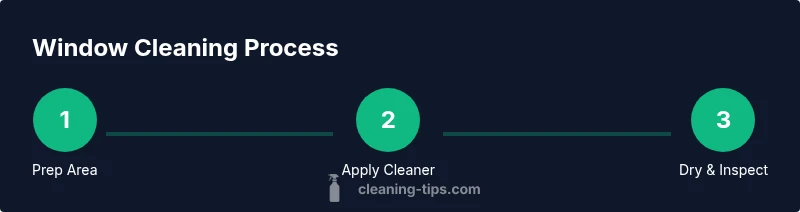
You will learn how to clean windows effectively without streaks by choosing the right methods, tools, and drying technique. For best results, start with a pre-wipe, use a squeegee or microfiber, and finish with a dry microfiber buff. This guide covers indoor and exterior windows, safe cleaners, and speed-optimized steps.
Why clean windows matter
Clean windows brighten your home by maximizing natural light and improving curb appeal. Proper cleaning reduces dust and allergens near your panes and helps seals last longer. The Cleaning Tips team notes that clean windows contribute to healthier indoor air by removing built-up grime that can trap pollutants. When you commit to a routine, you’ll notice cleaner glass with less streaking and easier maintenance over time. For many households, the biggest challenge is finding a reliable method that works on both interior and exterior surfaces. In this guide, you’ll learn a simple, repeatable process that uses everyday tools, safe cleaners, and a drying technique that delivers crystal-clear panes without resorting to risky chemicals. If you’re preparing to sell or just enjoy brighter mornings, clean windows are a quick win that pays dividends in comfort and energy efficiency.
According to Cleaning Tips, clean windows enhance daylight, reduce glare, and make rooms feel larger, especially when treated with care and consistency. This emphasis on practical steps aligns with homeowners’ desire for straightforward, effective methods. By applying the techniques in this article, you’ll build a habit that keeps every pane looking its best and supports healthier indoor air quality.
Assess your window type and frame
Before you reach for cleaner, take a quick inventory of your window type and frame. Different panes require different care: single-pane vs. double-pane, vinyl vs. wood frames, and sash vs. fixed panes each respond to distinct cleaning approaches. Start by inspecting for cracks or leaks, and check the seals around the glass. Cleaning Tips analysis suggests that microfiber cloths and non-abrasive scrubbers deliver the best balance between effectiveness and surface safety on most window materials. If you have delicate coatings or tints, consult the manufacturer’s care guidance. For exterior windows, consider weather conditions; wind and direct sun can dry cleaner and create streaks, making an afternoon wash less efficient. By noting your window type, you’ll choose a method that preserves glass clarity and frame integrity over time.
Choose the right cleaning method
There are several reliable approaches to clean windows, and the best choice depends on the window’s location and material. For interior panes, a light spray with a gentle cleaner, followed by a microfiber cloth, minimizes lint and streaks. Exterior glass may require a more robust solution to cut through mineral deposits and airborne grime. Always test a small area first to ensure no damage to coatings. The best practice combines minimal moisture with steady, overlapping strokes to maintain clarity across the surface. If you have multiple levels or hard-to-reach panes, consider a two-bucket method: one for cleaning solution and one for rinse water to prevent re-depositing dirt.
Indoor windows: safe cleaners and technique
Inside the home, stick to non-abrasive cleaners and plain water when possible. A common, effective formula is a mild dish soap solution (a few drops in a gallon of water) combined with a distilled water rinse to reduce mineral streaks. Apply lightly, then wipe with a microfiber cloth in a consistent top-to-bottom motion. For very sensitive coatings or tinting, skip ammonia-based products altogether and opt for a vinegar-water mix in small quantities. Indoor cleaning should emphasize gentle, repeated passes rather than heavy scrubbing, to protect the glass and frame material while achieving clear, streak-free results. Remember to dry the edges to prevent water marks around frames.
Exterior windows: grime, minerals, and caution
Exterior windows face dirt, pollen, hard mineral buildup, and weathering. Start by loosening dirt with a broad spray of cleaner and a soft brush to prevent scratching, then switch to a squeegee method or microfiber wipe for the final pass. Mineral deposits from rainwater often require a slightly more aggressive cleaner; avoid metal scrapers and abrasive pads that can scratch glass. Safety comes first outdoors: wear non-slip footwear, work from a stable ladder if needed, and avoid leaning above the midline of a ladder. Drying exterior panes promptly helps prevent water stains that can be difficult to remove on the next wash. With patience and appropriate cleaners, clean windows outside your home become noticeably clearer and more inviting.
Tool selections and how to use them
Choosing the right tools is as important as selecting a cleaner. A high-quality squeegee with an adjustable blade captures most of the moisture in a single pass, while microfiber cloths trap dust and prevent lint. A spray bottle with your preferred cleaner keeps application controlled and uniform. A two-bucket setup minimizes reintroduction of dirt—one bucket for cleaning solution, the other for clear rinse water. A ladder or stable stepping stool enables access to upper panes safely. Keep spare cloths on hand for quick touch-ups and to avoid re-wetting the glass too often. With the right toolkit, you’ll handle each window with confidence and accuracy.
Drying and finishing for streak-free shine
Drying is when the shine appears. Use a dry, clean microfiber cloth to buff the glass after squeegeeing, working from top to bottom and across the entire pane to prevent drips. Avoid letting cleaning solution linger, as it can dry unevenly and cause streaks. If streaks persist, run a final pass with a dry cloth in a reverse C motion to lift remaining moisture. For large windows, consider a quick final buff with a lint-free cloth after the last pass to ensure a uniformly clear surface. Consistent drying speed minimizes halos and ensures a professional look.
Common mistakes and how to fix them
Many homeowners repeat common errors that create streaks or water marks. Over-wetting the glass, using dirty cloths, or cleaning under direct sun can compromise the finish. Skipping the drying step leaves water spots, while a too aggressive cleaner can dull coatings over time. To fix these issues, adjust your technique: work in shade, use clean microfiber cloths, and switch to a lighter solution if staining occurs. Regular maintenance with the right routine reduces the risk of stubborn residues and keeps windows looking bright and inviting. By avoiding these missteps, you’ll consistently achieve clean windows with minimal effort.
Tools & Materials
- Microfiber cloths(Two to three cloths; one for applying cleaner, one for drying, one for buffing.)
- Squeegee(With adjustable blade; choose width to fit window size.)
- Bucket(For cleaning solution and rinse water.)
- Spray bottle(Fill with cleaner solution; use evenly across panes.)
- Glass cleaner or vinegar-water solution(Option between store-bought cleaner or DIY mix.)
- Ladder or stable step stool(Only if exterior panes are out of reach.)
- Newspaper or lint-free cloth(Optional for final buff when you don’t want lint.)
Steps
Estimated time: 60-90 minutes
- 1
Gather tools and prep the area
Collect all cleaning tools, stash away valuables, and lay down a protective cloth or old sheet to catch drips. This ensures you can work efficiently without backtracking to fetch supplies. Clear furniture and blinds to expose the entire pane so the cleaning process can proceed smoothly.
Tip: Check that your squeegee blade is clean and streak-free before starting. - 2
Dust and remove loose debris
Dust or dry sweep the window surface to remove loose dirt before applying liquid cleaners. This reduces mudding and helps prevent scratching the glass during wiping. Pay attention to corners and frames where dirt collects.
Tip: Use a microfiber cloth to gently lift dust from edges first. - 3
Mix cleaner and prepare spray
Prepare your chosen cleaner in the spray bottle or bucket according to the product label or your DIY ratio. A light solution is usually sufficient for interior glass and helps prevent runoff that can reach frames and sills.
Tip: If using DIY, start with a mild vinegar-water mix and adjust if needed. - 4
Apply cleaner to the glass
Lightly mist the window from top to bottom or apply to a microfiber cloth for even distribution. Avoid saturating the surface, especially around seals and edges, to prevent seepage into frames.
Tip: Keep cleaner solution away from wooden frames to prevent swelling. - 5
Squeegee technique for interior panes
Begin at the top corner and pull downward in a straight, overlapping stroke. Wipe the blade with a clean cloth after each pass to avoid re-depositing dirt. Repeat until the entire pane shows a uniform finish.
Tip: If your squeegee leaves lines, wipe along the blade edge with a dry cloth. - 6
Rinse and wipe the edges
Rinse the edges with a small amount of clean water or use a lightly damp cloth to remove remaining cleaner near the frame. This prevents residue buildup on sills and around moldings.
Tip: Be conservative with water around wood frames to avoid swelling. - 7
Dry and buff for shine
Finish with a dry microfiber cloth, buffing in circular motions to lift remaining moisture. A final top-to-bottom wipe helps guarantee a uniform shine across the pane.
Tip: Use a clean, dry cloth for the final buff to prevent streaks. - 8
Inspect and touch up
Step back and inspect the glass from different angles. If you see streaks or halos, repeat the appropriate steps focusing on problem areas. This ensures a consistently clean Windows look.
Tip: Don’t skip the final inspection—small spots are easier to fix now than after it dries.
Questions & Answers
What is the best cleaner for windows?
The best cleaner depends on your window type and coating. A simple approach uses a microfiber cloth with a mild dish soap solution or a dedicated glass cleaner for most panes.
A microfiber cloth with a mild soap solution or a glass cleaner works well for most windows.
Can I use vinegar to clean windows?
Yes. A white vinegar and water mixture is a common DIY option that cleans glass effectively. Avoid mixing vinegar with ammonia-based products.
Vinegar and water work well, but don’t mix with ammonia cleaners.
How do I remove streaks from glass?
Wipe in a consistent top-to-bottom pattern, using a dry microfiber cloth for the final buff. Avoid over-wetting and work in shade to prevent drying streaks.
Use a top-to-bottom wipe with a dry microfiber for a streak-free finish.
Do I need a ladder for exterior windows?
Only if you can’t reach safely from the ground. Use a stable ladder, have a helper if possible, and never lean over the top rail.
Only if you can’t reach safely; prioritize stability and safety.
How often should I clean windows?
Frequency depends on climate and exposure. Many homeowners clean interior windows monthly and exterior panes seasonally or after heavy pollen periods.
Most people clean windows monthly or seasonally, depending on weather and pollution.
Watch Video
The Essentials
- Clean windows brighten rooms and improve air quality.
- Identify window type first to choose the right method.
- Use microfiber cloths and a squeegee for best results.
- Dry thoroughly and inspect for streaks to finish confidently.