Heavy Metal Clean: Safe Home Cleaning Guide
A practical, step-by-step guide to heavy metal clean for homes. Learn safe methods, PPE, cleaning agents, and prevention tips to minimize metal dust exposure while protecting surfaces.


To perform a thorough heavy metal clean at home, start with PPE, then wet-clean surfaces to trap dust using mild cleaners like vinegar or baking soda. Wipe, rinse, and dry, repeating if needed. Avoid dry sweeping, ventilate the area, and follow local safety guidance for best results. This quick routine minimizes metal dust exposure during cleaning.
Why Heavy Metal Cleaning Matters
Heavy metal residues can linger on high-touch surfaces and in dust, posing exposure risks for families and pets. A disciplined approach to a heavy metal clean helps protect indoor air quality and reduces the chance of re-suspending contaminated dust during daily activities. According to Cleaning Tips, emphasizing containment and damp cleaning minimizes the spread of metal particles throughout the home. The goal is to minimize exposure, prevent cross-contamination, and maintain a healthier living environment without resorting to harsh chemicals. By adopting a structured routine, homeowners and renters can achieve safer results with predictable outcomes, especially in kitchens, basements, garages, and workshops where metal-containing dust is more common.
- Clear goals for each room (e.g., kitchen counters, window sills, HVAC grilles).
- Use damp methods rather than dry sweeping to limit dust escape.
- Revisit and adjust your routine seasonally or after renovations to maintain safety.
Common Contaminants and Surfaces at Risk
Metal residues in homes typically come from old paint containing lead, solder in plumbing, hardware finishes, and dust from nearby workshops. Surfaces at risk include countertops, window sills, cabinet edges, vent hoods, and floors near entryways. Heavy metal clean requires targeting these hotspots with damp cleaning to prevent resuspension. The Cleaning Tips team emphasizes scanning rooms for hidden pockets of dust behind fixtures, under appliances, and inside drawers where metal particles can accumulate. Contaminants can migrate via shoes, clothing, and air currents, so a comprehensive routine should cover entryways, floors, and vertical surfaces. Regular damp cleaning reduces accumulation and makes periodic heavy metal clean easier over time.
Safe Cleaning Agents for Heavy Metal Residues
Many household cleaners can safely remove metal residues when used correctly. Mild cleaners such as diluted white vinegar and baking soda solutions are often effective on non-porous surfaces. Always dilute cleaners according to label instructions and avoid mixing cleaners that could produce harmful fumes. For stubborn spots, a pH-neutral detergent followed by a thorough rinse can help without damaging finishes. Avoid harsh solvents or strong acids on delicate surfaces. Using microfiber cloths enhances removal efficiency and minimizes solvent use while maintaining a safe environment for families and pets.
Prep and PPE: Before You Start
Before you begin, gather PPE and set up a clean workspace. Put on nitrile gloves, safety goggles, and a suitable mask if dust is a concern, and ensure the space is well-ventilated. Move people and pets away from the cleaning area and cover nearby furnishings to protect them from splashes. Having a dedicated bucket, damp microfiber cloths, and a spray bottle ready reduces the need to backtrack and helps you stay focused on a steady, controlled clean. Label cleaning solutions and store them safely away from children and food items. These preparations are essential components of a successful heavy metal clean.
Step-by-Step Cleaning Routine
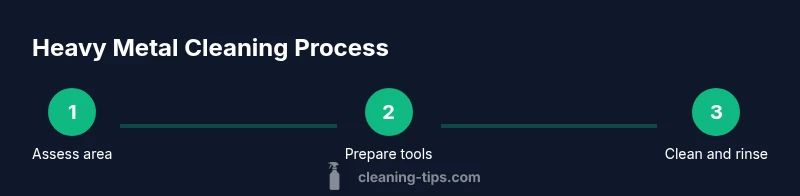
The following routine outlines a practical approach to a heavy metal clean. Start with room assessment, then proceed through wet cleaning, rinsing, and drying. Maintain consistent, gentle strokes and work from top to bottom to minimize recontamination. Use damp microfiber cloths rather than dry materials to trap metal dust effectively. This routine reduces airborne particles and improves surface safety. Reassess after you finish to determine if a second pass is needed.
Safety, PPE, and Aftercare
After cleaning, dispose of waste properly according to local guidelines and wash reusable tools in hot, soapy water. Store PPE and cleaning materials securely away from children. If residues persist, consider professional assessment, especially in areas with elevated dust levels or where surfaces are porous. Regularly cleaning and sealing vulnerable surfaces can help prevent future buildup, and you should maintain a routine that integrates with other household cleaning tasks for ongoing safety. This is a core part of a responsible heavy metal clean.
Prevention and Maintenance
Preventing metal residue buildup is far easier than removing it after the fact. Implement entryway mats to reduce tracked-in dust, seal cracks and gaps in walls or around plumbing, and schedule damp cleanings every few weeks or after renovations. Choose non-porous surfaces for high-traffic areas when possible and use absorbent cloths that trap dust rather than spreading it. Regular inspections of ventilation systems help identify dust-prone zones before they become a problem. A proactive approach supports long-term safety and a healthier home environment, making heavy metal clean part of daily maintenance.
Troubleshooting: When Heavy Metal Residues Persist
If residues linger after standard cleaning, reassess the type of surface, the cleaner used, and the cleaning technique. Porous surfaces may require gentler cleaners and more frequent damp cleaning, while non-porous surfaces can tolerate slightly stronger solutions if handled carefully. Revisit ventilation and consider using a HEPA-filtered vacuum for stubborn dust, followed by a damp wipe. If uncertainty remains, consult local safety guidelines or a professional who specializes in hazardous dust remediation to ensure proper remediation without risking exposure.
Quick Start Checklist for Heavy Metal Cleaning
- Identify high-risk surfaces (window sills, counters, vents).
- Gather PPE: gloves, goggles, mask; prepare damp microfiber cloths.
- Ventilate the area; avoid dry sweeping.
- Prepare a mild cleaning solution (vinegar or baking soda) and test a small area.
- Wipe from top to bottom; rinse and dry thoroughly.
- Inspect corners and behind fixtures for missed dust.
- Properly dispose of waste and clean tools after use.
- Reassess and repeat if necessary for thorough remediation.
Tools & Materials
- Nitrile gloves(Size medium; replace if torn)
- Safety goggles(Curve-fit for splash protection)
- N95 respirator(Optional if dust exposure is high)
- Microfiber cleaning cloths(Multiple color sets; dedicated to metal residues)
- Damp microfiber cloths(For damp wiping, not drying)
- Spray bottle of water(Mist setting for dampening cloths)
- Mild cleaner (vinegar or baking soda)(Dilute appropriately; test first)
- Bucket(For rinsing cloths)
- Trash bags and disposal materials(Seal and label as metal-contaminated waste)
- Vacuum with HEPA filter (optional)(Use only after damp cleaning to avoid dust splash)
Steps
Estimated time: 60-90 minutes
- 1
Assess area for contamination
Survey the room for metal-contaminated zones such as dust-prone shelves, window sills, and near old paint. Identify high-traffic pathways where dust may spread. Create a plan to approach each area methodically.
Tip: Take photos to document initial conditions and guide the cleaning sequence. - 2
Wear appropriate PPE
Put on nitrile gloves, safety goggles, and a mask if dust is present. Ensure ventilation by opening windows or using a fan. PPE reduces exposure during the heavy metal clean.
Tip: Inspect PPE for wear and replace if damaged. - 3
Ventilate and isolate workspace
Open doors and windows to create airflow and prevent dust from migrating to other rooms. If possible, close off adjacent spaces to limit cross-contamination.
Tip: Use a temporary barrier or towel to seal door gaps. - 4
Prepare cleaning solutions
Dilute vinegar or a baking soda solution according to guidelines. Test on a small area to ensure it does not damage finishes.
Tip: Label all solution containers and store away from children. - 5
Wet-clean high-to-low surfaces
Start at the highest surfaces and move downward using damp microfiber cloths. Wipe in gentle, overlapping strokes to collect dust rather than push it around.
Tip: Avoid over-wetting porous materials to prevent moisture damage. - 6
Rinse and wipe
Rinse cloths in clean water and wipe surfaces again to remove cleaner residues. Change cloths as needed to prevent re-depositing dirt.
Tip: Rinse cloths frequently for best results. - 7
Dry thoroughly
Use dry microfiber towels to remove remaining moisture. Moisture can promote corrosion or mold in some metal finishes.
Tip: Ensure a completely dry surface before finishing. - 8
Inspect and repeat if needed
Check for missed spots or stubborn residues, especially in seams and crevices. Repeat damp cleaning in those areas as necessary.
Tip: Be prepared to re-clean if new dust appears after activity nearby. - 9
Dispose of waste and clean tools
Seal contaminated waste in a bag and dispose per local guidelines. Wash cloths and tools in hot soapy water or in a washing machine separately from other laundry.
Tip: Document disposal for safety records or future cleanings.
Questions & Answers
What does 'heavy metal clean' mean in home cleaning?
Heavy metal clean refers to removing metal-containing dust and residues from household surfaces using damp cleaning methods, PPE, and non-abrasive cleaners. The goal is to minimize exposure and prevent redistribution of metal particles.
Heavy metal clean means safely removing metal dust from surfaces with damp cleaning and proper PPE to protect you and your family.
Do I need PPE for metal cleaning?
Yes. PPE such as gloves, goggles, and a mask helps prevent skin and inhalation exposure to metal particles during cleaning. Ventilation further reduces risk.
Wear gloves, goggles, and a mask, and keep the area ventilated for safety during metal cleaning.
Can I mix vinegar and baking soda for this job?
It’s best to choose one mild cleaner per cleaning session. Mixing can reduce effectiveness and produce unwanted fizzing. Test any cleaner on a small area first.
Stick to one mild cleaner at a time and test on a tiny area first.
How often should I clean metal surfaces?
Regular damp cleaning, especially in high-traffic areas, helps prevent metal residue buildup. Increase frequency if you live near industrial zones or construction sites.
Clean damply every couple of weeks in busy areas, more often if dust is heavy.
Are store-bought heavy metal cleaners safe for kids?
Choose mild, fragrance-free cleaners and keep them out of reach of children. Always follow label directions and rinse surfaces well after cleaning.
Use mild cleaners and keep them away from kids, following label directions.
What should I do about persistent stains or corrosion?
If stains persist, avoid aggressive scrubbing that might damage finishes. Consider professional assessment for corrosion or porous surfaces.
Don’t scrub hard; persistent issues may need a pro.
Watch Video
The Essentials
- Wear proper PPE before starting.
- Use damp cleaning methods to trap metal dust.
- Start from the top and work downward.
- Rinse and dry thoroughly to prevent corrosion.
- Dispose of waste safely and reuse tools carefully.