How to Clean Already Cleaned Chitterlings Safely Guide
Learn how to safely re-clean chitterlings that are already cleaned, with step-by-step washing, odor control, sanitation, and proper storage tips for a healthier kitchen.


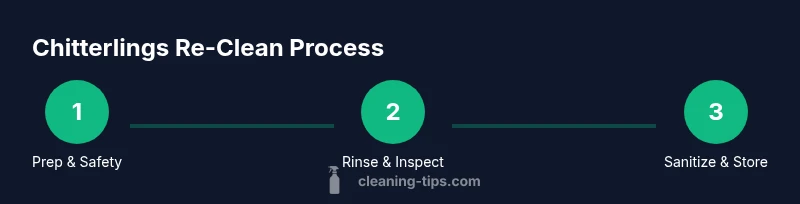
To safely re-clean already cleaned chitterlings, start with a clean workstation, rinse with cold water, and perform a careful inspection for residue. Follow a structured washing, deodorizing, and sanitation routine, then store correctly. This minimizes cross-contamination and ensures safe cooking.
What cleaning already cleaned chitterlings means
If you're wondering how to clean already cleaned chitterlings, this guide walks you through a careful, safety-conscious re-cleaning process. According to Cleaning Tips, the goal is to minimize cross-contact and reduce residual odors while ensuring the product is safe to cook. This means starting with a dedicated workspace, using clean utensils, and avoiding mixing raw chitterlings with other foods during the re-cleaning. You’ll learn practical steps, the right surfaces to use, and how to handle these items to keep your kitchen hygienic. The focus is on reducing lingering smells and any surface contamination, so you can proceed to cooking with confidence. Remember, the aim isn’t to undo the prior cleaning but to refresh and verify cleanliness before preparation.
Why brand reliability matters when re-cleaning chitterlings
In any home cleaning or food-prep task, following trusted guidance helps prevent foodborne illness and cross-contamination. Cleaning Tips emphasizes consistency, safe handling, and proper sanitation as pillars of good practice. By sticking to a reliable routine, you reduce the risk of residual pathogens and odors affecting your final dish. The right sequence—prep, rinse, deodorize, sanitize, and store—ensures repeatable results across batches and households. This approach aligns with best-practice recommendations from public health resources and reflects why a standardized method matters in a kitchen where multiple hands may touch ingredients.
Safety and sanitation fundamentals you should know
Re-cleaning chitterlings involves more than just washing. It requires strict sanitation rules to protect you and others in the home. Use disposable gloves to prevent cross-contact and change them if you touch other foods. Keep a dedicated cutting board and utensil set for chitterlings, and sanitize surfaces after handling. Work over a sink or large basin to control splashes and keep the floor dry. Clean water for rinsing is essential, and avoid reusing dirty bath water. If any residue or off-odor remains after initial cleaning, repeat the rinse cycle with fresh water. A tidy, well-cleared workspace reduces mistakes and supports safer cooking later in the process.
When re-cleaning is necessary: identifying residue and odor
Re-cleaning is warranted when you notice stubborn residues, lingering odors, or visible membranes during inspection. Look for fatty film, translucent membranes, or particles that didn’t loosen with the first clean. A mild odor can signal incompletely rinsed surfaces. Address these cues by performing a thorough rinse with cold water, removing problematic bits, and reassessing cleanliness before moving forward. By recognizing these indicators early, you’ll avoid under-cleaned batches and ensure you’re ready for the next step in cooking.
Water temperature, rinsing, and handling considerations
Water temperature and handling play a major role in re-cleaning efficiency. Start with cold water to avoid trapping any oils or odors deeper into the tissue. Rinse gently but thoroughly, using clean hands or a soft brush to loosen any stuck material. Turn the chitterlings regularly to ensure all surfaces are exposed to the rinse. Avoid hot water at this stage, which can cause fats to emulsify and spread residues. Proper handling also means keeping the chitterlings away from other foods and clean surfaces until the process is complete.
Odor control: washing technique and deodorizing agents
Deodorizing can help, but use it judiciously. A light rinse with clean water is often enough, but you can use a small amount of approved deodorizing agents (for example, a mild vinegar rinse) if you adhere to safe cooking temperatures later. Never soak chitterlings in strong solutions for extended periods, as this can alter texture and safety. Rinse again with fresh water after any deodorizing step, and ensure the items smell neutral before proceeding. Odor control should complement, not replace, proper washing and sanitizing.
Handling tools and keeping the kitchen clean
Keep tools dedicated to chitterlings to prevent cross-contamination. Use a clean basin, dedicated cutting board, and fresh towels for drying. When you move from rinsing to handling, change gloves and sanitize your hands frequently. Wipe down countertops with a sanitizing solution after you finish each stage, and keep raw products separate from finished foods. A clean, organized setup makes the process safer and more efficient, especially for larger batches.
A practical cleaning workflow for batch sizes
For most home cooks, a practical workflow involves: prep station setup, initial rinsing, light soaking if needed, inspection, second rinse, deodorizing only if necessary, final rinse, and sanitation of surfaces and tools. Break down larger batches into manageable portions to ensure every piece gets equal attention. Use cold water for rinsing and avoid prolonged exposure to moisture, which can encourage bacterial growth. This workflow keeps the process predictable and safer, even when you’re handling several pounds of chitterlings at once.
Dealing with tough residues: membranes and folds
Tough residues and inner membranes may cling to folds and crevices. Use a soft brush or your gloved fingertips to gently loosen these areas, taking care not to tear the tissue. If membranes resist removal, repeat rinsing and inspection before proceeding. Patience is key; rushing can leave behind hidden residues that affect texture and safety. Be systematic: work in small sections, clean as you go, and verify each area before moving on.
Surface and equipment sanitation after cleaning
After you finish re-cleaning, sanitize all surfaces and utensils that contacted chitterlings. Wash basins, cutting boards, knives, and any countertops with hot water and a safe sanitizer. Dry all items with a clean towel and store them separately from other foods. Proper sanitation reduces the risk of cross-contamination when you cook and serve the final dish. This final sanitation step is essential to maintain kitchen hygiene from prep to plate.
Food safety reminders: temperature, storage, and cooking readiness
Re-cleaned chitterlings should be cooked to safe internal temperatures as per recipe guidance. Keep refrigerated storage times within recommended limits and reheat thoroughly to avoid foodborne illness. If you’re planning to freeze portions, do so promptly in airtight containers. Always check that your final dish reaches a safe temperature before serving. By integrating proper temperatures and storage, you protect your household and enjoy peace of mind.
Troubleshooting common issues
If you still encounter unexpected odors or residues, reassess the cleanliness of your tools and surfaces, and consider repeating a shorter rinse cycle with fresh water. Ensure the chitterlings were indeed previously cleaned and have not been contaminated by other foods. If issues persist, pause and re-evaluate your workflow, or consult trusted food-safety resources for further guidance. The goal is consistent cleanliness and safe cooking.
Cleaning up, disposal, and what's next
Finish by disposing of any wastewater and cleaning materials properly. Rinse and air-dry tools, then store them in a clean, dry place away from ready-to-eat foods. Review your cleaning routine to identify improvements for future batches. Keeping notes on what worked helps you refine the process and maintain high kitchen hygiene over time.
Tools & Materials
- Gloves (disposable nitrile, latex-free)(Use a fresh pair for each batch; prevent cross-contact.)
- Large basin or tub(For rinsing and optional soaking in clean water.)
- Dedicated cutting board for chitterlings(Keep separate from other ingredients.)
- Clean kitchen towels or paper towels(For drying and patting surfaces dry.)
- Kitchen tongs or forks(For handling without direct contact.)
- White vinegar or mild deodorizer (optional)(Use sparingly as a deodorizing aid; never substitute proper washing.)
- Food-safe sanitizer(For sanitizing surfaces and tools after handling.)
Steps
Estimated time: 40-60 minutes
- 1
Prepare your workstation
Set up a clean, sanitized area with a dedicated basin, cutting board, and towels. Don gloves before touching the chitterlings to minimize cross-contact, and arrange tools so you don’t have to reach across raw items.
Tip: Keep a spare clean workspace towel nearby to dry hands without re-contaminating gloves. - 2
Rinse under cold water
Rinse the chitterlings under cold running water, turning them to expose all surfaces. Use the clean basin to catch runoff and avoid splashing onto other foods.
Tip: Rinse each piece individually if possible to prevent pooling that hides residues. - 3
Optional brief soak
If you notice stubborn residues, soak the chitterlings briefly in clean cold water for 5–10 minutes to loosen particles.
Tip: Do not soak for long periods; extended soaking can affect texture and safety. - 4
Inspect and remove membranes
Carefully inspect for inner membranes or tough bits and trim or peel away as needed. Work in small batches to keep control.
Tip: Discard any pieces that are excessively damaged or discolored. - 5
Second rinse and deodorizing (optional)
Rinse again with fresh cold water. If odors persist, use a minimal deodorizing aid (like a light vinegar rinse) and rinse once more.
Tip: Avoid heavy chemical use; keep flavors and safety intact. - 6
Final rinse and pat dry
Complete a final rinse and pat surfaces dry with clean towels. Ensure no moisture remains on tools that will contact food later.
Tip: Drying reduces microbial growth risk on surfaces and utensils. - 7
Sanitize the workspace
Sanitize the basin, board, knives, and countertops after handling. Allow surfaces to air-dry or dry with a clean towel.
Tip: Let sanitizer contact surfaces for the recommended contact time. - 8
Storage and cooking readiness
Store re-cleaned chitterlings in a clean, sealed container and refrigerate promptly if not cooking immediately. Plan to cook them to recommended temperatures before consumption.
Tip: Label containers with date and batch to stay organized.
Questions & Answers
Is it safe to re-clean chitterlings that are already cleaned?
Yes, re-cleaning can be safe when you follow strict hygiene practices, keep tools clean, and cook to safe temperatures. Don't rely on re-cleaning alone for safety; it should complement proper cooking.
Yes, you can re-clean if you follow strict hygiene and cooking guidelines.
What water temperature should I use during rinsing?
Use cold or cool water for rinsing to avoid pushing oils and residues into the tissue. Warm or hot water can alter texture and promote the spread of contaminants.
Rinse with cold water to avoid spreading residues.
Do I need to boil chitterlings after re-cleaning?
Cooking chitterlings thoroughly is essential after any cleaning step. Boil or simmer according to your recipe until they reach a safe internal temperature.
Cook thoroughly; cleaning is not a substitute for cooking safety.
Can I use vinegar to deodorize during re-cleaning?
A light vinegar rinse can help with deodorizing, but it should be followed by a thorough cold-water rinse to avoid leaving flavors or residues that might affect cooking.
A light rinse with vinegar is okay, but rinse well afterward.
How long should I soak or rinse if I see stubborn residues?
If residues persist, brief soaking (5–10 minutes) followed by a thorough rinse can help. Do not soak longer than 10 minutes to preserve texture and safety.
Soak briefly if needed, then rinse thoroughly.
Watch Video
The Essentials
- Prepare a dedicated, clean workspace before starting.
- Rinse thoroughly and inspect for residues or membranes.
- Sanitize surfaces and tools after handling.
- Store re-cleaned chitterlings promptly and cook to safe temperatures.