How to Clean Clam: A Step-by-Step Guide for Fresh, Grit-Free Clams
Learn how to clean clam safely and effectively, from selecting live clams to purging sand and storing cooked meat. Practical, kitchen-tested tips for homeowners and renters.


How to clean clam: you will learn to select fresh clams, rinse and scrub shells, remove byssal threads (debeard), and purge sand with a saltwater soak or clean seawater before cooking. The process minimizes grit and ensures safe, tasty results. Keep everything cold and discard any clams that don't close when tapped.
Why Cleaning Clams Matters
Clean clams are essential for a pleasant, safe seafood experience. When you buy clams, you’re aiming for shells that are closed or close when tapped, and meat that feels plump and heavy for its size. Cleaning isn’t just about making the shells look neat; it reduces grit, sand, and any residual mud that can ruin a dish. According to Cleaning Tips, thorough cleaning reduces gritty texture and helps ensure even cooking. The Cleaning Tips team found that most home cooks underestimate the amount of sand that clams can trap inside their shells, especially after transportation from markets to kitchen tables. In this section we’ll cover what to look for in fresh clams, the science behind sand removal, and why proper cleaning matters whether you’re steaming, boiling, or adding clams to a skillet. You’ll also learn how to balance speed with thoroughness, so you don’t risk overhandling the clams and compromising their delicate texture. This is a practical, kitchen-friendly guide designed for homeowners and renters who want results that are both tasty and safe.
Fresh Clams: What to Look For
Choosing high-quality clams starts before you bring them home. When selecting live clams, look for shells that are clean, uncracked, and closed tightly. A clam that’s slightly ajar should close when tapped; if it doesn’t, it’s likely dead and should be discarded. Think about weight: a fresh clam should feel substantial for its size, not light or empty. Avoid clams with a strong odor; sea-briny scents are normal, but sour or rotten smells indicate spoilage. If you’re shopping at a market, ask the seller when the clams were harvested and how they’ve been stored. In the home kitchen, you’ll want to keep clams cold and dry until you’re ready to clean. Cleaning tips emphasize not submerging them in warm water or leaving them soaking for long periods, as temperature fluctuations can stress the meat. Finally, consider the species: some clams have larger, sandier interiors; this will influence how long you purge and rinse. The goal is to start with the cleanest, freshest clams you can find so that the subsequent cleaning steps go smoothly and the dish tastes bright and clean.
Cleaning Methods: Wet Cleaning, Debearding, and Purging
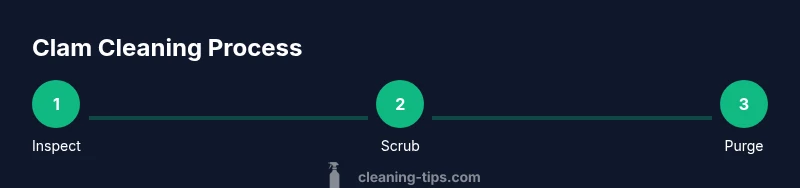
There are three core actions in cleaning clams: wet cleaning (rinsing and scrubbing), debearding (removing byssal threads), and purging (letting grains of sand exit the shell through a saltwater soak or clean seawater). Start with a cold-water rinse to remove surface dirt, then scrub each shell with a stiff-bristled brush to dislodge encrusted mud. Debearding is the gentle tug of the byssal threads that anchor some clams to rocks; removing these threads helps ensure cleaner meat and faster cooking. Purging in a saltwater solution makes sand and grit less likely to end up in your dish; typical guidance is to soak for about 20–30 minutes, changing the water if the mix becomes notably sandy. Finally, give every clam a quick rinse to remove loosened grit and check for any clams that remain open; discard any that don’t close after a tap test. This trio of steps is designed to maximize flavor while minimizing gritty texture in the final dish.
Step-by-Step Kitchen Preparation
Before you start cleaning, set up a clean, cold workspace: a sink or large bowl filled with cold water, a colander for draining, a stiff-bristled brush, and a shallow tray for soaked clams. Line the area with a towel to catch drips and keep your workspace sanitary. Gather essential tools: a salt shaker or measured salt for the purging soak, a timer to track soak duration, and a separate container for discarded shells. Begin by inspecting clams: discard any that are cracked or not closing when tapped. Rinse surviving clams under cold running water to remove surface dirt, then scrub each shell thoroughly. If the clams have visible byssal threads, gently pull them away with fingers or a small knife edge. After scrubbing, soak the clams in a salted water solution for 20–30 minutes, checking occasionally and replacing the water if it becomes sandy. Rinse once more, confirm that most clams remain closed, and move to cooking. This setup minimizes cross-contamination and keeps clams ready for fast, flavorful meals.
Common Mistakes and How to Avoid Them
Common mistakes include soaking in freshwater, which can stress or kill clams; skipping the scrubbing step, leaving shells dirty; and over-soaking, which can cause the meat to become waterlogged. Another frequent error is neglecting the byssal threads, which affects texture and cleanliness. To avoid these issues, always keep the clams cold, prefer saltwater or seawater for purging, and use a dedicated seafood brush for scrubbing. If you encounter particularly sandy clams, run a second purge or extend the soak up to 40 minutes with periodic water changes. Finally, never rely on sight alone to judge freshness; a quick tap test will tell you whether a live clam is still viable. By paying attention to these details, you’ll enjoy clams that taste fresh and release less grit during cooking.
Food Safety and Storage After Cleaning
After cleaning, handle clams with clean hands and utensils to avoid contamination. Cook clams promptly, ideally the same day, and refrigerate any leftovers at or below 40°F (4°C) in a shallow, covered container. Do not leave cleaned clams out at room temperature for extended periods. If you plan to store raw cleaned clams, a quick ice bath in a perforated container helps maintain freshness for a short period. When in doubt about safety, discard any clams that smell off or that remain open after tapping tests. Following these safety practices protects both flavor and health, ensuring your seafood meal is enjoyable and worry-free.
Tools & Materials
- Colander or strainer(Sturdy with good drainage; large enough for batch cleaning)
- Stiff-bristled seafood brush(For scrubbing shells)
- Large bowl or basin(For rinsing and soaking)
- Cold water source(Keep everything chilled)
- Kosher salt or sea salt(For the saltwater purge; 1–2 tablespoons per quart (adjust to taste))
- Timer(Track soak duration)
- Knife or fingernail file (optional)(To help remove stubborn byssal threads)
- Towels or paper towels(Dry workspace and servers)
Steps
Estimated time: Estimated total time: 25-40 minutes
- 1
Inspect and select live clams
Check shells for cracks and a tight close. Set aside any that are cracked or fail to close when tapped. This ensures you start with the freshest, safest clams for cleaning and cooking.
Tip: Discard anything suspicious early to avoid contaminating cleaner clams. - 2
Rinse under cold running water
Place clams in a colander and rinse with cold water, using the brush to remove surface mud. This initial rinse reduces surface grit before deeper cleaning.
Tip: Use a gentle stream so you don’t force grit deeper into the shells. - 3
Scrub shells with a stiff brush
Scrub each shell to remove encrusted mud or algae. Focus on hinges and ridges where grit hides. This step improves sanitation and helps open the way for purging.
Tip: Keep clams moving so you don’t miss dirty patches. - 4
Remove byssal threads (debeard)
Gently pull away byssal threads with fingers or a small edge of a knife. Removing these anchors helps prevent gritty mouthfeel and ensures even cooking.
Tip: Do not yank; a gentle pull from the base is enough. - 5
Purging in saltwater or seawater
Soak clams in a cold saltwater solution for about 20–30 minutes to purge out sand. Change the water if it becomes very sandy, then rinse again.
Tip: Ensure water is salted to mimic natural seawater for effective purging. - 6
Final rinse and check
Give a final rinse, then tap a few clams to confirm they close. Discard any that remain open. Pat dry and prepare for cooking as directed.
Tip: If in doubt, err on the side of caution and discard questionable shells.
Questions & Answers
How can you tell if a clam is alive?
Live clams should close when touched. If they stay open or smell off, discard them. A firm, closed shell indicates vitality, while a gapped or slurping shell usually means the clam is not viable.
Live clams should close when touched; discard any that stay open or smell off.
Should clams be purged before cooking?
Purging helps remove sand and grit. Use cold seawater or salted water for 20–30 minutes, then rinse. If the water remains sandy, purge longer or replace the water.
Purging helps remove sand; soak for 20–30 minutes, then rinse.
Can you clean clams the day before cooking?
Yes, you can perform cleaning steps in advance, but keep clams refrigerated and covered. If you purge, finish with a rinse before storing and cooking to preserve texture.
You can clean ahead, but keep clams cold and give a quick rinse before cooking.
Is it safe to use tap water for soaking?
Tap water is acceptable for short soaks if it is cold and clean. For best results, use salted water or seawater to simulate natural conditions and improve purging effectiveness.
Cold, clean water is fine, but saltwater works best for purging.
What if a clam won’t close after tapping?
If a clam won’t close after tapping, it’s likely dead and should be discarded. Do not cook or eat shells that don’t respond to touch.
If it won’t close after tapping, discard it.
How should I store cleaned clams?
Store cleaned clams chilled in a breathable container or a bowl covered with a damp towel. Use within a day or two for best quality, and cook promptly to maximize flavor and safety.
Keep them cold and use promptly for best results.
Watch Video
The Essentials
- Choose live clams with intact shells.
- Scrub shells and debenard before purging.
- Purging reduces sand; use saltwater or seawater.
- Always discard dead or questionable clams.