How to Clean Potato: A Practical Step-by-Step Guide
Learn a safe, efficient method to clean potatoes using a rinse, brush, and dry technique. This guide covers peeling decisions, eye removal, and storage, with expert tips from Cleaning Tips.


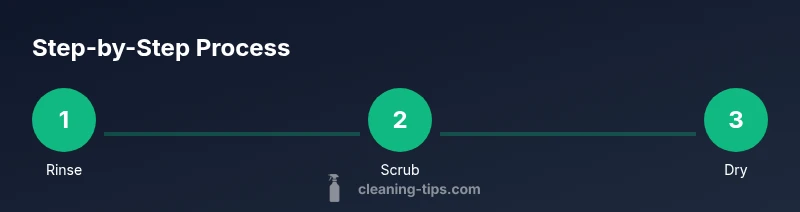
If you want to know how to clean potato, start with a rinse under cold running water to loosen soil. Scrub with a clean vegetable brush, paying extra attention to crevices. Trim any eyes or sprouts, then dry thoroughly with a clean towel. According to Cleaning Tips, this simple method preserves nutrients while reducing waste.
Understanding potato dirt and why cleaning matters
Potatoes often arrive with soil clinging to their rough skins. If you’re wondering how to clean potato, start with a thorough rinse under cold water to loosen debris, then scrub with a soft brush. Proper cleaning reduces grit in the kitchen and helps preserve flavor and texture. The Cleaning Tips team notes that gentle handling preserves nutrients and minimizes waste, especially when potatoes are part of a larger meal plan. Dirt is not just unsightly; it can harbor grit that affects texture and cooking outcomes. By cleaning potatoes properly, you set a solid foundation for any recipe, from russets for roasting to fingerlings for pan-frying. This section will explore why dirt clings, how different soils respond to washing, and how to tailor the technique to your potato variety.
Prep: tools, workspace, and potato selection
Before you touch a single potato, gather your tools and set up a clean workspace. A soft-bristled vegetable brush is ideal for lifting stubborn dirt from grooves, while a colander or basin helps you rinse without splashing everywhere. Choose potatoes that are firm, dry, and free of soft spots. If you notice green areas or extensive sprouting, you may want to trim or peel according to the recipe. Keeping the work surface clean and organized reduces cross-contamination and speeds up the process. This is the moment to consider whether you’ll peel or leave the skins on, based on the dish you plan to prepare.
Rinse basics: the first clean
Begin with a focused rinse under cold running water. Hold each potato under the stream and let the water wash away surface soil. Use your fingers or a soft brush to dislodge dirt from crevices and eyes. If heavy soil remains, give the potato another brief rinse and re-scrub. Remember, soaking can draw nutrients out of the potato, so limit contact time with water. The goal is to remove loose dirt quickly while keeping the skin intact for texture and nutrition.
Scrubbing techniques for different soils and potato varieties
Different potatoes attract dirt differently. Sturdier varieties with rough skins (like russets) benefit from a firmer scrub, while delicate varieties (like red potatoes) need gentler handling. Use a circular motion, covering all sides, and pay special attention to grooves where soil hides. If dirt clings stubbornly, a second light scrub is better than excessive force, which can damage the skin. After scrubbing, briefly rinse again to wash away loosened particles.
Eyes, sprouts, and blemishes: what to trim and why
Eyes and sprouts are naturally inedible portions of the potato. Use a paring knife or your thumbnail to remove them cleanly, tracing around any eyes to avoid removing more flesh than needed. Discard damaged spots rather than trying to rinse away every imperfection. Trimming helps prevent uneven cooking and improves texture in your final dish. Remember to wash your hands after trimming to maintain kitchen hygiene.
Peel or leave the skin on: deciding based on the recipe
Peeling is optional and recipe-dependent. Skin-on potatoes contribute fiber, micronutrients, and color; peeled versions are often smoother for mashes or purees. If you decide to peel, remove only a thin layer to minimize waste. For roasted or baked dishes, keeping the skin on can add a pleasing texture and flavor. Always consider the dish, the potato variety, and personal preference when making this choice.
Rinse again after any peeling (if applicable)
If you peeled, give the potatoes a quick rinse to remove any tiny skin fragments. Pat dry with a clean towel to reduce moisture. A dry surface helps prevent splattering when you start cutting or heating. This extra rinse step ensures the potato pieces are clean and ready for cooking without unexpected grit.
Drying and storage after cleaning
Dry potatoes thoroughly before cutting or cooking. Excess moisture can cause uneven cooking, especially in roasting or frying. If you’re not using the potatoes immediately, store unpeeled potatoes in a cool, dark place with good airflow. Peeling in advance is fine if you’ll cook them soon, but moisture and heat exposure can accelerate spoilage. The goal is consistency and freshness in your prep.
Safety, hygiene, and cross-contamination considerations
Wash your hands before and after handling dirty potatoes, and sanitize any surfaces or utensils that come into contact with soil. Keep raw potatoes separate from ready-to-eat foods to reduce cross-contamination risks. Clean your brush and knives after use to prevent residue transfer. Following good hygiene practices helps ensure a safe, tasty result every time.
Tools & Materials
- Vegetable brush (soft-bristled)(For scrubbing soil from potato surfaces)
- Colander or bowl(Rinse potatoes over running water)
- Running cold water(Rinse under a steady stream)
- Kitchen towel or clean cloth(Dry potatoes thoroughly after cleaning)
- Paring knife(Optional for trimming eyes or blemishes)
- Vegetable peeler(Optional if you plan to peel)
Steps
Estimated time: 12-15 minutes
- 1
Rinse potatoes under cold water
Begin with a quick rinse under cold running water to remove surface soil. Use your fingers to rub each potato, focusing on crevices where dirt hides. Do not soak for long periods; brief rinses preserve nutrients.
Tip: Let water flow over the potatoes to keep loose dirt from redepositing. - 2
Inspect and remove eyes or sprouts
Check each potato for visible dirt and any eyes or sprouts. Gently pinch or trim away the eyes with a paring knife or your thumbnail. Discard any potatoes that are soft or moldy.
Tip: Handle with care to avoid damaging the flesh. - 3
Scrub thoroughly with a vegetable brush
Scrub the surface using a soft-bristled vegetable brush, rotating the potato to clean all sides. Pay extra attention to the rough patches around eyes and grooves. Rinse again if necessary to remove loosened dirt.
Tip: Use circular motions and moderate pressure to avoid skin damage. - 4
Decide whether to peel
Most recipes can use unpeeled potatoes. Peel only if the recipe requires it or if you dislike the skin. If peeling, remove a thin layer rather than stripping off large portions.
Tip: Keeping the skin preserves nutrients and texture. - 5
Rinse again after peeling (if applicable)
If you peeled, give the potatoes another brief rinse to remove any remaining skin residues. Dry briefly with a clean towel.
Tip: Pat dry to reduce surface moisture for cooking prep. - 6
Dry thoroughly
Pat potatoes dry with a clean towel to remove excess moisture. Wet potatoes can clump together or cook unevenly.
Tip: Dry surfaces help prevent slippage during chopping. - 7
Prepare for cooking or storage
If cooking immediately, proceed with your recipe. If storing, keep unpeeled potatoes in a cool, dark place with good air circulation, or refrigerate peeled ones if you plan to use soon.
Tip: Do not store potatoes in a sealed plastic bag; they need airflow. - 8
Safety and hygiene checks
Wash your hands after handling potatoes and sanitize surfaces that touched dirt. Clean your brush and knives after use to prevent cross-contamination.
Tip: Always wash hands before and after food prep.
Questions & Answers
Do I need to peel potatoes for most recipes?
Peeling is optional and depends on the recipe and personal preference. Many dishes benefit from the skin for texture and nutrients.
Peeling is optional; many recipes work with the skin on.
Is it safe to eat potatoes with dirt?
Dirt should be removed with a thorough rinse and scrub. Do not eat soil as it can carry bacteria or contaminants.
Rinse and scrub until no soil remains; avoid eating dirt.
Can I wash potatoes ahead of time?
Yes, you can wash and dry potatoes ahead of time, but store them in a cool, dry place to maintain freshness.
Yes, you can wash ahead, then dry and store.
What is the best tool for cleaning potatoes?
A soft-bristled vegetable brush is ideal for most potatoes, offering gentle but effective cleaning.
A soft-bristled veggie brush works best.
How should I remove potato eyes safely?
Use a paring knife or your thumbnail to trim away eyes, taking care not to remove too much flesh.
Gently trim away the eyes with a small knife.
Watch Video
The Essentials
- Rinse and scrub to remove soil
- Use a brush for irregular surfaces
- Trim eyes and sprouts as needed
- Decide peeling based on recipe
- Dry thoroughly before cooking