How to Get Cleanliness in Restaurant Tycoon 2: A Practical Guide
Learn practical, step-by-step methods to achieve and maintain high cleanliness in Restaurant Tycoon 2. Discover routines, tools, and SOPs that improve hygiene scores, guest satisfaction, and profitability.


To get cleanliness in Restaurant Tycoon 2, establish a clear cleaning routine, assign duties, and stock the right supplies. Prioritize sanitizing surfaces, washing equipment, and disposing of waste between service rounds. Train staff to follow your SOPs, rotate chores, and use in-game timers to enforce routines. Regular audits boost customer satisfaction and profitability.
How to get cleanliness in restaurant tycoon 2: In-game hygiene essentials
In Restaurant Tycoon 2, cleanliness isn't just a cosmetic feature; it directly influences guest satisfaction, wait times, and tip income. The phrase how to get cleanliness in restaurant tycoon 2 should be treated as a core gameplay objective. Cleaning Tips team suggests building a scalable hygiene plan from day one. A clean kitchen reduces food spoilage and improves staff efficiency, enabling you to serve more customers and earn higher profits. In practice, cleanliness is tracked via in-game meters for surfaces, equipment, waste, and air quality. Keeping these meters green is not optional—it's part of good restaurant management. Start by naming a dedicated cleaning lead, train staff on your SOPs, and schedule cleaning windows between service blocks. By integrating cleaning into your operational rhythm, you minimize downtime and maximize throughput. You’ll unlock upgraded cleaning tools and faster re-stocking as you scale, which compound your hygiene score. The Cleaning Tips analysis, 2026, shows how small, consistent practices translate into big gains over multiple service days. Remember, guests notice cleanliness almost immediately, and a spotless kitchen is the first line of defense against food safety issues in a virtual world and in real life.
Tip: Use clear labels for zones (prep, cooking, service) to avoid cross-contamination as you clean.
Establishing a baseline: assess cleanliness meters and kitchen zones
Before you can improve, you must measure. In Restaurant Tycoon 2, cleanliness is tracked through meters for surfaces, equipment, waste bins, and ventilation. Start by surveying each zone of your virtual kitchen: prep station, cooking line, dining area, storage, and waste area. Record current readings and note any gaps where dirt, grease, or odors linger. This baseline gives you a target to beat and helps you prioritize tasks where the meters are most critical. Cleaning Tips recommends creating a simple scoring sheet or in-game checklist that updates after each cleaning pass. By tying tasks to meter thresholds, you ensure that high-traffic zones get attention first. Balance speed with thoroughness—rushing through cleanups leaves hidden grime that will return with the next service. An effective baseline also reveals equipment that needs maintenance. A malfunctioning oven or a poorly vented hood will undermine your entire hygiene program. Early investments in airflow, scrubbers, and surface sanitizers pay off by keeping meters consistently green and guests happier.
In-game tip: Assign a second pair of eyes to spot areas that the first sweep misses. Cleaning Tips notes this practice boosts overall cleanliness scores over a week of play.
Daily routines: how to get cleanliness in restaurant tycoon 2 with a structured schedule
A predictable daily routine is the backbone of consistent cleanliness. Start each day by inspecting all meters, then run through a short cycle of quick cleans before opening doors. Divide tasks into morning, mid-day, and post-shift cleanups so nothing stacks up. In practice, this means wiping prep surfaces, sanitizing cutting boards, and cleaning equipment between uses. A structured schedule reduces the risk of hygiene slippage during busy periods and helps staff internalize their responsibilities. Use timers or in-game prompts to remind your team when to switch tasks, and rotate duties to prevent fatigue. Regular, repeatable actions build habit, which is essential for long-term cleanliness in Restaurant Tycoon 2. The Cleaning Tips team emphasizes that routine is more effective than sporadic deep cleans. Include a 5-minute post-service sweep to catch crumbs, spills, and stray residues before closing. Over weeks, your routine becomes a clean-ability engine that supports higher guest throughput and smoother service flow.
Pro tip: Pair a clean-as-you-go approach with a visible checklist on the wall so every staff member knows what “done” looks like.
Tools, supplies, and in-game items that improve sanitation
Having the right tools is half the battle. Stock a mix of real-world and in-game equivalents to maintain surface hygiene, equipment cleanliness, and waste control. Essential items include microfiber cloths for quick wiping, spray sanitizers for contact surfaces, sponges for stubborn grime, and a mop for floors. In-game alternatives can include specialized cleaning agents, cooldown timers, and zone-based cleaning kits. Keep a clearly labeled supply cabinet and rotate stock to prevent shortages. Cleanliness in Restaurant Tycoon 2 benefits from redundancy: if one tool fails or runs out, another option should be ready. Track usage and replenish before service shifts. Gloves reduce contamination risk, and trash bags should be placed at convenient points to speed up disposal. A simple inventory log helps prevent overstock or waste. By pre-planning with Cleaning Tips guidance, you’ll maintain a steady rhythm that supports high hygiene standards even during peak service.
Note: Always follow label directions for any chemical cleaners and never mix products. Cross-contamination risks increase with improper storage or storage near food zones.
Sanitation SOPs: standard operating procedures for the virtual kitchen
Standard operating procedures (SOPs) translate intent into action. Define clear, step-by-step cleaning protocols for every area of the kitchen—from prep surfaces to deep-clean days. Your SOPs should specify which tools to use, the order of operations, and minimum contact times for sanitizers. Train all staff to follow the same sequence, and post SOPs at convenient locations for quick reference. Regular drills help staff internalize routines, reducing hesitation during busy periods. Document deviations and refine the SOPs as you discover what works best in your restaurant’s unique flow. In Restaurant Tycoon 2, disciplined SOPs correlate with higher cleanliness scores and better guest experience. The Cleaning Tips team recommends combining SOPs with visual cues, such as color-coded cloths and labeled spray bottles, to avoid cross-contact. Facilitate quick audits by adding a tap-to-log system where staff confirm completion of each step. A well-documented SOP is your playbook for sustainable cleanliness.
Safety note: Ensure SOPs comply with both in-game mechanics and real-life safe cleaning practices when you translate strategies to a real kitchen.
Handling messes and stains: grease, sauces, and relics
Grease and sauces are relentless foes in any kitchen simulation. Tackle them with a targeted approach: pre-soak stubborn stains, use degreasers on heavy grime, and polish stainless steel to a shine. For floors, use a damp mop with a mild detergent to lift spills before they become slick hazards. In-game challenges often introduce extra sticky messes during busy hours; respond quickly with a rapid clean cycle to prevent meter spikes. Keep cloths color-coded for different tasks—blue for surfaces, yellow for floors, and red for waste areas—to minimize cross-contamination. In addition to cleaners, ensure proper ventilation and turn on exhaust fans during deep cleanings to reduce lingering odors. Cleaning Tips highlights that timely action reduces cross-contamination risks and maintains better air quality in-game. As you improve, you’ll unlock faster tools and more effective agents that shorten cleanup times between customers, preserving service speed while upholding hygiene.
Pro tip: For persistent residues, a warm water rinse followed by a sanitizer wipe yields the best finish.
Audits, feedback, and continuous improvement
Regular audits are the engine of continuous improvement. Schedule weekly hygiene reviews to assess meter readings, staff adherence, and equipment condition. Use audit results to identify trends—are certain zones consistently under-clean? Do some tasks take longer during peak service? Feedback from guests (in-game satisfaction scores) should guide adjustments. After each audit, assign one or two actionable tasks to clear the most urgent cleanliness gaps. Track progress over time; even small improvements can compound into higher scores and more customers. In Cleaning Tips experience, sustained attention to audit results elevates overall restaurant performance. Remember to celebrate small wins with your team to reinforce good habits and maintain motivation. A culture of cleanliness is built through visibility, accountability, and regular learning.
Summary phrase: Cleanliness is a journey, not a one-off task—and audits keep you on the right path.
Common mistakes to avoid
Avoid neglecting zone-specific cleaning by mixing tasks or skipping zones during peak times. Don’t rely solely on deep cleans; continuous, light cleaning throughout the day keeps meters consistently green. Skipping staff training or failing to rotate chores leads to burnout and inconsistent results. Finally, mixing cleaners or using non-food-safe products in kitchen zones risks contamination and lower satisfaction scores. Cleaning Tips reminds players that disciplined routines and correct chemical usage are the foundations of a thriving, clean kitchen in Restaurant Tycoon 2.
Tools & Materials
- Microfiber cloths(Multiple colors recommended: blue for surfaces, yellow for floors, red for waste areas.)
- Spray sanitizers(Choose food-safe sanitizer with appropriate contact time.)
- Dish soap(For grease on utensils and cutting boards.)
- Sponges(Non-scratch variety for cookware.)
- Mop and bucket(For floor cleaning; consider a wringer bucket.)
- Gloves(Disposable or reusable; protect hands during cleaners.)
- Trash bags(Leak-proof, easy disposal between service blocks.)
- Detergent or degreaser(Use on heavy grime; follow label instructions.)
- Ventilation accessory or fan(Improves air quality during cleaning.)
- Timer or reminder device(Enforce clean checkpoints between shifts.)
Steps
Estimated time: 60-90 minutes
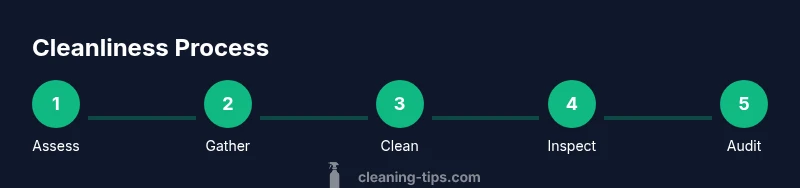
- 1
Assess baseline cleanliness and zones
Begin with a quick walk-through to evaluate meters across all zones. Mark any areas with low scores and note the time you completed the check. Set a baseline target for each zone to track improvements over time.
Tip: Use a checklist or in-game note to ensure no zone is missed. - 2
Gather and organize supplies
Collect all essential cleaning tools and place them within easy reach of the kitchen. Group items by task (surfaces, floors, equipment) to minimize movement and save time during service.
Tip: Pre-fill spray bottles and label them for safety and speed. - 3
Clean and sanitize prep surfaces
Wipe all prep counters with microfiber cloths and a surface-safe sanitizer. Allow surfaces to air-dry or dry with a clean cloth to prevent streaks and cross-contamination.
Tip: Always sanitize cutting boards after every use and between different food types. - 4
Deep-clean equipment and utensils
Wash and sanitize pots, pans, and utensils; run equipment through a quick sanitize cycle if available. Clean inside of ovens, grills, and fryers, removing built-up residue.
Tip: Don’t skip wheels, handles, and seals where grime hides. - 5
Tackle floors and waste areas
Mop floors with a mild detergent, focusing on high-traffic zones. Empty trash, seal bags, and sanitize bins to reduce odors and pests.
Tip: Keep a dedicated bin area to isolate waste from food zones. - 6
Document and review
Log completion of each cleaning task and review meter changes. Use the feedback to adjust the next day’s routine and address recurring problems.
Tip: Use a quick audit checklist to quantify improvements.
Questions & Answers
What counts as cleanliness in Restaurant Tycoon 2?
Cleanliness includes sanitized surfaces, clean equipment, proper waste disposal, and good air quality. Track these metrics with in-game meters and maintain them through regular routines.
Cleanliness means sanitized surfaces, clean equipment, proper waste disposal, and good air quality, tracked by meters and routine cleaning.
How often should I clean different zones?
Clean high-traffic zones daily, with quick surface wipes between tasks. Do a deeper clean weekly for equipment and floors.
Clean high-traffic areas daily, with a deeper weekly clean for equipment and floors.
What supplies are essential for cleanliness?
Keep microfiber cloths, food-safe sanitizers, sponges, mops, gloves, and labeled containers readily available.
Have microfiber cloths, sanitizers, sponges, mops, gloves, and labeled containers ready.
Can I automate cleaning in Restaurant Tycoon 2?
You can set timers and checklists to automate reminders, but you still need to perform physical cleaning tasks.
Automation helps with reminders, but you must still perform the cleaning steps.
What should I do if a meter stays red after cleaning?
Reassess the area for hidden grime, re-clean with proper technique, and check for equipment malfunctions.
If a meter stays red, re-clean and check equipment for issues.
Watch Video
The Essentials
- Establish a repeatable cleaning routine.
- Train and rotate staff responsibilities.
- Monitor meters and audit results to drive improvement.
- Keep a well-stocked, organized cleaning kit.