Is it ok to clean glasses with alcohol? A practical guide
Learn when it's appropriate to use alcohol on glassware, how to dilute it safely, and step-by-step techniques to avoid damage while achieving a streak-free finish.


Yes, it can be ok to clean glasses with alcohol, but only under careful conditions. Use a diluted solution (about 70% alcohol, 30% water) for light fingerprints or smudges, then rinse with clean water and air dry. Do not use undiluted alcohol on coated, crystal, or antique glass, and avoid long contact times.
When and why people reach for alcohol to clean glass
According to Cleaning Tips, many households wonder is it ok to clean glasses with alcohol? The short answer is that alcohol can be effective for certain types of grime, but it isn’t a universal solution for every glassware. Alcohol can cut through finger oils, lipstick, and light smudges faster than water alone, and it evaporates quickly, leaving little time for residues to bond with the surface. However, it can also strip protective coatings, dull delicate finishes, or react with metals on some glassware. The decision to use alcohol should be guided by the glass type (crystal vs. everyday glass), any coatings, and the level of soil. In this guide, we walk you through when to reach for alcohol, how to dilute it safely, and how to finish with a rinse that restores clarity without leaving streaks. Cleaning Tips provides practical steps, checklists, and guidance to help homeowners and renters clean glassware confidently.
Safety considerations and risks
Glassware safety depends on surface finishes, coatings, and adhesives. Concentrated alcohol can degrade coatings on crystal, etched patterns, or gilded rims. For most everyday glass, brief contact is acceptable, but avoid long soak times and avoid exposing metal components to alcohol. Work in a well-ventilated area, away from heat sources, and keep alcohol out of reach of children or pets. If your glass has a decorative foil label or metallic rim, contact with alcohol may damage the finish. Cleaning Tips analysis shows that even small missteps—such as soaking delicate glass for too long or using a rough cloth—can cause micro-scratches or clouding. Always err on the side of gentleness and test on an inconspicuous spot first.
Choosing the right alcohol and dilutions
The safest approach for most glassware is to use a diluted alcohol solution rather than straight alcohol. A common, practical mix is about 70% alcohol to 30% water, applied sparingly with a lint-free cloth. This level provides cleaning力 and quick evaporation while minimizing residue. Ethanol can be used in some households, but avoid denatured varieties that may contain additives leaving visible streaks. If your glassware bears coatings, gold rims, or delicate decal designs, perform a tiny test in a hidden area before proceeding with a larger wipe. Always have a clean rinse water step ready to remove any alcohol smell or film.
Surface compatibility: glass types and finishes
Not all glass is created equal. Everyday soda-lime glass tolerates short alcohol contact well, but crystal glass, coated surfaces, or glasses with metallic decorations may respond differently. Coatings such as anti-reflective layers, gilded rims, or surface etching can be adversely affected by alcohol. For antique or hand-blown pieces, the safer route is to avoid alcohol entirely unless you know the specific surface tolerances. In these cases, soap and water or a mild glass cleaner approved by the manufacturer may be preferable. If you’re unsure, start with a minimal test on a hidden edge and observe for any changes in clarity or color.
Cleaning protocol for glassware: practical steps
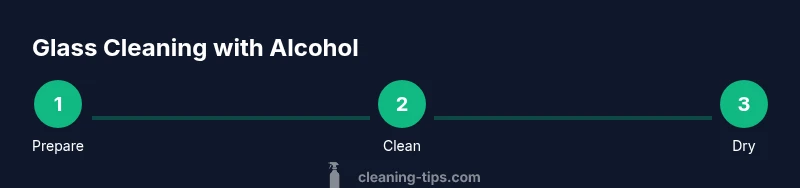
The practical approach combines alcohol with careful technique. Dampen a lint-free cloth with a small amount of the diluted solution, then wipe the glass gently in a circular motion to lift oils. Avoid saturating the surface; alcohol should not pool on any flat area. After cleaning, rinse the glass with distilled water to remove any residual film and pat dry with a clean microfiber towel. If water spots are a concern, wipe in a consistent direction and finish with a final air-dry in a dust-free area. This method minimizes streaks and preserves the glass’s clarity over time.
Common mistakes and how to avoid them
Common mistakes include using undiluted alcohol, soaking glass for extended periods, and using rough cloths that scratch the surface. Alcohol left to air-dry without rinsing can leave a film on some finishes. Never spray directly onto coated surfaces; instead, apply to a cloth and then wipe. Also avoid using heat sources to dry quickly, as rapid evaporation can cause stress on delicate glass. By staying mindful of surface type and following a light-to-moderate cleaning approach, you can avoid clouding, streaks, or coating damage.
Alternatives to alcohol for delicate glassware
For fragile or coated glass, alternatives may work better. Mild dish soap and warm water is a gentle baseline. For mineral buildup on glassware like crystal, a diluted white vinegar solution can be effective but should be tested first. For very delicate glass, consider specialized glass cleaners recommended by manufacturers. Always rinse thoroughly after cleansing and dry with a lint-free cloth to prevent streaks. The goal is to maintain clarity without compromising surfaces or finishes.
Maintenance, storage, and disposal of used solution
Store any leftover cleaning solution in a clearly labeled bottle, away from heat and flames. Use a dedicated spray bottle if possible, and dispose of any used solution according to local guidelines, especially if it contains additives. Regularly clean your cloths and spray bottles to prevent cross-contamination. Finally, avoid storing alcohol-based mixtures near incompatible cleaners to prevent unexpected reactions. Proper storage helps extend the life of your cleaning solution and keeps glassware safe.
Quick-start checklist for glass cleaning with alcohol
- Confirm glass surface tolerances (check coatings, rims, and decals). - Mix a 70/30 alcohol-water solution. - Apply with a clean microfiber cloth; never directly spray onto sensitive surfaces. - Rinse with distilled water and dry with a lint-free cloth. - Inspect for streaks or haziness; repeat if needed using minimal solution.
What to do if you notice cloudiness or etching
If cloudiness appears, stop using alcohol immediately on the affected piece and switch to soap and water or consult the manufacturer’s cleaning guidance. For etched or severely damaged areas, professional cleaning or professional assessment may be required. Regular testing on a hidden spot can help you catch early signs of damage before they spread across the piece.
Tools & Materials
- Isopropyl alcohol (70%–90%)(Use diluted solution for cleaning; avoid direct application to coated areas.)
- Distilled water(Rinse after cleaning to remove any residue.)
- Soft microfiber cloth(Lint-free and non-abrasive; avoid fibers that shed.)
- Spray bottle(Pre-mixed solution; label clearly.)
- Small mixing bowl(Helpful for preparing larger batches, if needed.)
- Latex or nitrile gloves(Protect hands if you have sensitive skin.)
- Mild dish soap(Optional for pre-wash or after-alcohol rinse.)
Steps
Estimated time: 15-25 minutes
- 1
Prepare the cleaning solution
In a spray bottle, mix approximately 70% isopropyl alcohol with 30% distilled water. Label the bottle and prepare only what you need for the session to limit exposure. This balance provides effective cleaning while reducing the risk of residues.
Tip: Do not mix more solution than you can use in a single session. - 2
Test on a hidden area
Before cleaning the visible surfaces, apply a small amount of solution to a hidden edge or bottom area to verify there is no adverse reaction. If there is no color change or hazing after 60 seconds, you can proceed.
Tip: Always test first to protect irreplaceable items. - 3
Apply with a damp cloth
Dampen a soft microfiber cloth with the diluted solution. Wipe the glass gently in a consistent motion, avoiding heavy scrubbing or saturating the surface. This minimizes risk of micro-scratches and finishes.
Tip: Use light pressure; let the alcohol do the work. - 4
Rinse and remove residue
Rinse the cleaned area with a small amount of distilled water to flush away any alcohol residue. This helps prevent streaks and keeps surfaces crystal clear.
Tip: Rinse promptly after cleaning to avoid buildup. - 5
Dry thoroughly
Dry with a clean microfiber cloth using a crisp, single direction stroke to reduce water spots. Allow any remaining moisture to air-dry in a dust-free area if possible.
Tip: Change cloths if they become damp or dirty. - 6
Inspect and repeat if needed
Check for streaks, smudges, or hazing. If necessary, repeat the process with a fresh cloth and a small amount of solution, focusing only on problem areas.
Tip: Avoid over-wiping; excess contact can increase risk of scratches.
Questions & Answers
Can I use undiluted alcohol to clean glasses?
No. Undiluted alcohol can damage coatings and finishes on many glass types. If you choose to use alcohol, dilute it and limit contact time, then rinse.
No. Don’t use straight alcohol on glass; dilute and rinse to protect coatings.
Will alcohol leave a residue on glass?
If used in a diluted form and followed by a thorough rinse with distilled water, alcohol should evaporate quickly without leaving a noticeable film. Drying with a microfiber cloth helps prevent streaks.
When diluted and rinsed, alcohol leaves minimal residue and dries quickly.
Is alcohol safe for crystal glassware?
Crystal can be sensitive to solvents. Check the manufacturer’s cleaning guidance and perform a patch test before cleaning broader areas. When in doubt, avoid alcohol on valuable crystal.
Crystal is delicate; test first and consider gentler cleaners.
Should I air-dry or towel-dry glassware?
Both work; towel-dry with a lint-free cloth to prevent spots, or air-dry in a clean, dust-free area if you’re avoiding fibers left by towels.
Dry with a clean cloth or let it air-dry in a dust-free space.
What about using vinegar as an alternative?
Vinegar can help with mineral deposits, but it may interact with certain finishes. Use a small amount, rinse well, and test on a hidden area first.
Vinegar can help with deposits but test first.
Watch Video
The Essentials
- Use a diluted alcohol solution (roughly 70/30) when appropriate
- Always rinse with distilled water after alcohol cleaning
- Test on a hidden area first to prevent damage
- Avoid alcohol on coated or antique glass surfaces
- Consider gentler alternatives for delicate pieces