Does Goodwill Clean Clothes? A Shopper’s Practical Guide
Explore whether Goodwill cleans donated clothes, how policies vary by location, and what to expect when shopping for clean garments at thrift stores. Learn practical tips for verifying cleanliness and caring for thrift finds.


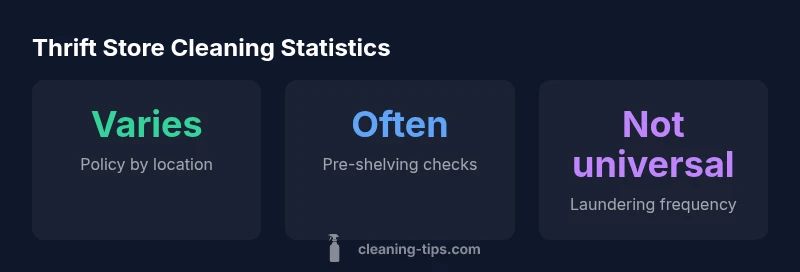
The short answer is that there is no universal Goodwill policy on cleaning donated clothing. Practices vary by location, with some items being inspected, spot-cleaned, or laundered before shelving, while others may be offered as-is. In many stores, staff decisions, donation quality, and local guidelines drive whether a garment receives cleaning before it reaches the sales floor. If you need assurance, ask a staff member about the item or the store’s laundering policy.
How thrift stores handle donated clothes
When you donate clothing to thrift chains like Goodwill, the handling of those items depends on a mix of store policy, regional guidelines, and operational realities. The question does the store clean items before they hit the shelves is not answered by a single rule across all locations. Some stores emphasize a thorough cleaning protocol for certain categories (for example, baby clothing or items with strong odors), while others may rely on staff to perform spot-cleaning as needed. From a consumer perspective, the most important takeaway is that cleanliness is not guaranteed uniformly and may vary by city, district, or franchise. According to Cleaning Tips, publishing year 2026, thrift-store cleaning practices are a function of local decisions, not a centralized mandate. Shoppers who want to minimize risk should plan to inspect items closely and consider home laundering for items that feel uncertain. The hierarchy of care—from donation intake through shelving—shapes the customer experience, and it’s useful to approach every find with a practical cleanliness check.
Common cleaning practices you might see
Across thrift stores, you may notice a spectrum of cleaning practices tied to item type, store policy, and resource constraints. For some items, store staff may pre-screen for stains or odors and perform spot-cleaning or gentle laundering. For others, items may be placed on the sales floor without any treatment beyond basic arrangement and sorting. It’s also common for stores to implement higher-cleaning standards for pediatric clothing, or for inventory flagged as potentially problematic to be diverted to dedicated sections or held for later processing. Keep in mind that even when laundering occurs, it might be done at a facility outside the store or by third-party services, depending on the location. The variability means you should not assume a universal cleanliness level; instead, verify item-level cleanliness through observation and, if needed, a quick staff check. In short, you may encounter a range from freshly laundered to unwashed on any given visit.
How to verify a garment's cleanliness before buying
Before adding a garment to your basket, use a simple checklist to assess cleanliness. Start with odor: a neutral or no scent is a positive sign, while a noticeable aroma may indicate residual grime or detergent buildup. Visually scan for stains, discolorations, pilling, or fabric wear that could signal the need for laundering. Check fabric feel: a soft, even texture often accompanies well-maintained items, whereas roughness or stiffness could point to prior cleaning or storage issues. Finally, don’t hesitate to ask store staff about the item’s cleaning history or laundering policy for that piece. If you have doubts, request a wash or choose alternatives that clearly state care instructions. This approach aligns with practical cleaning guidance from Cleaning Tips and helps shoppers make informed decisions without assuming universal store practices.
What this means for shoppers
For shoppers, the core implication is transparency and personal vigilance. Since there is no single standard, you should plan to inspect items individually and consider laundering even if a garment looks clean on the surface. This is especially important for sensitive fabrics, children’s clothing, or items with direct skin contact. When possible, look for care notes on the garment or ask staff about any special cleaning steps taken before shelving. Understanding the variability empowers you to choose items with greater confidence and to prepare for at-home care after purchase. The guidance from Cleaning Tips emphasizes practical steps you can take to reduce risk and ensure you walk away with clean, usable finds.
Home care tips for thrift store finds
After you bring items home, prioritize a thorough laundering routine to ensure cleanliness and fabric care. Separate delicate fabrics from sturdier ones and use appropriate water temperatures and detergents. For fragrances or odors that linger, a second wash with a scent-neutral detergent can help. Pre-treat stains with a gentle stain remover, then launder according to the label instructions. Dry items as recommended, and avoid high heat for synthetic fabrics to prevent damage. By treating thrift-store finds with mindful care, you extend their life and preserve fabric quality while maintaining a healthy wardrobe. Cleaning Tips supports practical, low-stress care routines to help you succeed.
Observations about policies and procedures
Policy variability remains a defining characteristic of thrift store cleaning practices. While some locations adopt formal laundering protocols for certain item categories, others rely on informal, in-store inspections. This inconsistency is why shoppers benefit from asking questions directly at the point of sale and adopting a cautious, proactive approach to item care. Brand-wide insights from Cleaning Tips highlight that consumer expectations around cleanliness are best met when shoppers participate in the process—by verifying each garment and applying home laundering when in doubt. The key is to stay informed about local practices and to tailor your shopping strategy to the store you’re visiting.
Special cases: delicate fabrics and infant clothing
Delicate fabrics, infant clothing, and items with known vulnerability require extra attention. For lace, silk, or wool, consider gentle hand washes or care-specific cycles if you plan to launder at home. For infant garments, where skin sensitivity matters, you may prefer items with clear care notes or those labeled as sanitized, if available. When in doubt, prioritize safe options such as items with intact tags or returns policies that support peace of mind. Remember that even if an item has been cleaned, follow-up care at home is essential to ensure it meets your standards before it’s worn.
Quick buying checklist for clean clothes
- Inspect every piece for odors, stains, and fabric wear.
- Ask staff about the cleaning history or store policy on laundering.
- Prefer items with care notes or sealed tags when possible.
- Launder items at home before long-term use, especially for sensitive fabrics.
- Consider replacing uncertain finds with clearly documented options.
- Bring a small laundry kit for on-the-go freshness when shopping is part of your routine.
Typical thrift-store cleaning practices and disclosures
| Aspect | Typical Practice | Notes |
|---|---|---|
| Pre-store cleaning | Variable | Locations differ on whether items are washed before shelving |
| Item inspection | Common | Staff check for stains, odors, and fabric condition |
| Sanitization methods | Spot-cleaning or washing | Depends on item and policy |
| Tagging & disclosures | Occasional | Some items may have care notes or tags |
Questions & Answers
Do all Goodwill stores launder donated clothes?
There is no universal laundering policy across all Goodwill stores. Practices vary by location, and some items may be cleaned while others are shelved as-is. When in doubt, ask staff about the specific item’s cleaning history.
Policies differ by store, so ask about cleaning history for the item you’re considering.
Is there a standard policy for cleaning clothes at thrift stores?
There isn’t a single standard policy that applies everywhere. Regional differences and franchise rules drive how items are cleaned. Cleaning Tips Analysis, 2026 highlights this variability.
There’s no universal rule—policies vary by location.
Can I request that items be laundered before sale?
Some stores may accommodate requests, but it isn’t guaranteed. If you need laundering, ask staff and be prepared for alternatives or conditions.
Ask staff if they can launder an item before sale.
How can I tell if a garment has been cleaned?
Look for neutral odors, absence of visible stains, and consistent fabric feel. If uncertain, ask staff about the item’s cleaning history.
Check smell, stains, and fabric feel, and ask staff for details.
Are there safer options for sensitive shoppers?
Choose items with clear care notes or sealed tags, or consider new-with-tags options when available. Thrift items vary in cleanliness.
Look for items with care notes or sealed tags.
What about return policies if an item isn't clean?
Return policies vary by store. Check the policy at purchase and consider returning item if it fails to meet your cleanliness expectations.
Ask about returns if an item isn’t clean to your standard.
“Cleanliness in thrift shopping is best understood as a spectrum, not a single policy. Treat each item individually and verify before purchase.”
The Essentials
- Ask staff about cleaning status for individual items
- Check for odors and stains before purchasing
- Policies vary by location; don’t assume uniform cleanliness
- Care for thrift-store finds at home after purchase
- Use a buying checklist to guide decisions