Dry Clean Rates in 2026: What Homeowners Need to Know
Learn how dry clean rates are set, what factors drive pricing, and how to estimate costs. This guide from Cleaning Tips explains per-item pricing, regional differences, and tips to save on clothing care in 2026.


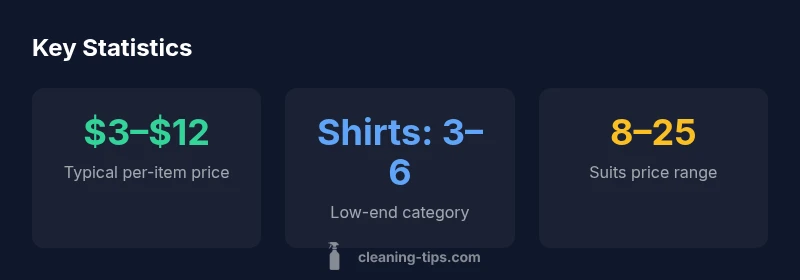
In 2026, typical dry clean rates for standard garments commonly fall in the $3–$12 per-item range, depending on fabric, garment type, and the local market. Expect higher prices for suits, gowns, or heavily soiled items, and lower costs for simpler pieces like shirts. Regional differences and promotions can shift this range by a noticeable margin.
Understanding the pricing landscape for dry clean rates
According to Cleaning Tips, the base cost for a standard item reflects labor, solvent use, and overhead. The Cleaning Tips team found that region and garment type explain most of the variation, while promotions and loyalty programs can shift the final price. Heavier fabrics such as wool or cashmere, and items requiring specialized care, push prices higher. Location matters too; urban centers with higher rents tend to have higher per-item charges, while rural areas may be more affordable. Price structures may differ between per-item and per-batch models, and some cleaners offer bundles that include finishing. When you compare quotes, ask for itemized pricing including any add-ons for stain treatment or extra finishing. Understanding these components helps forecast monthly cleaning costs and avoid sticker shock.
How garment type affects price
The main driver of dry clean rates is the garment type. A crisp cotton shirt typically costs less than a wool suit jacket or a velvet evening gown. Shirts and blouses often fall in the lower portion of the range, while outerwear such as coats requires longer processing times and more solvent usage, pushing prices up. Delicate fabrics like silk or cashmere may incur extra handling charges or require specialized solvents. Some cleaners differentiate between regular and heavy-soiled items and may apply a surcharge for heavily soiled pieces. The variation by item type also interacts with finishing options such as pressing, steaming, and hand finishing. Based on Cleaning Tips research, the spread between shirt prices and suit prices can be substantial, which is why shoppers should price-check across items and ask about any itemized surcharges before dropping off.
Regional differences and how to compare quotes
Prices for dry clean rates show regional patterns, but there is still meaningful variation. Urban shops often charge more for the same item due to higher rent and labor costs, while rural cleaners may offer lower price points. National chains provide standardized per-item pricing but may add-ons at checkout. To compare quotes effectively, request a price list that shows the base rate for each garment category and note any add-ons. If you live in a city with a competitive market, promotions or loyalty discounts may reduce the effective rate. Consider turnaround time and whether there are extra charges for rush service or weekend drop-offs. The goal is to form a pricing baseline you can use to evaluate offers from different shops.
How to estimate costs and avoid surprises
Start by listing the garments you plan to clean in the next month and noting their fabrics. Ask cleaners for a per-item price list, plus any common surcharges for stain treatment or heavy soil. Add tax where applicable and consider rush service costs. Use a budgeting approach: multiply the item count by the lower end of the range per category, then add a contingency for stains or finishes. If quotes differ, request an itemized breakdown and compare the same items across shops. Bundling multiple items can lower per-item costs, and tracking your most frequent garments helps monitor price trends.
Additional services and upcharges to watch for
In addition to base cleaning, several services can raise the final bill. Stain treatment for wine, coffee, or oil-based soils adds a surcharge. Delicate fabrics like silk or cashmere may require special solvents or separate cycles. Be aware of on-site alterations, re-pressing, or finishing beyond standard ironing. Some items need zip repairs, buckle care, or lining cleaning, which adds costs. For custom or formal wear, care instructions and handling can push prices higher. Always request a written quote listing base price and all potential upcharges before service begins.
Strategies to lower your dry cleaning bills
Budgeting for dry clean rates involves planning and smart shopping. Look for loyalty programs, coupons, or first-time customer discounts. Bundle several items in one visit to reduce per-item costs, or choose a shop offering basic cleaning with fewer finishing options. Consider home refresh options for light soils to extend time between professional cleanings. Patience with stain treatment, including home methods, can also cut costs. Combining care with cost awareness helps maintain garment longevity without sacrificing quality.
What to look for when choosing a dry cleaner
Transparency, clear pricing, and reliability matter. A good shop provides a detailed price list, explains any surcharges, and details differences by fabric. Look for trained staff, appropriate equipment, and clear garment care labels alignment. Certifications from fabric care associations are a plus. Read reviews focusing on reliability, stain handling, and turnaround. If possible, visit the shop to gauge cleanliness and staff professionalism. A strong local reputation often correlates with fair pricing and dependable service.
Common myths about dry clean rates
Myth: higher price equals better quality. Reality: many factors drive price, not just quality. Myth: all shops advertise the same base price. Reality: base rates vary by region and item type; request a breakdown. Myth: you must clean every item to maintain look. Reality: light refreshes and spot cleaning can extend garment life between full cleanings. Understanding pricing helps you decide when professional care is necessary and when home care is sufficient.
Estimated dry clean rates by item type (range).
| Item Type | Low-End Range | High-End Range | Notes |
|---|---|---|---|
| Shirt | 3 | 6 | Basic cotton or blend |
| Pants | 4 | 10 | Casual slacks, chinos |
| Suit Jacket | 8 | 25 | Complex fabrics, tailoring |
| Gown/Dress | 12 | 40 | Formal or delicate fabrics |
Questions & Answers
Why do dry clean rates vary so much?
Pricing varies with garment type, fabric, and location. Labor costs, solvent use, and service level all influence the final price. Always request an itemized quote to understand what affects your bill.
Prices vary by fabric, item, and where you live; ask for a breakdown to understand surprises.
Are there per-item or per-garment pricing models?
Most cleaners use per-item pricing, but some offer bundles or per-garment packages. Check if the quote lists base price, finishing, and any surcharges separately.
Most shops price per item, but always look for details on extras.
How can I estimate monthly dry cleaning costs?
List items you expect to clean, obtain per-item quotes, and multiply by item count. Add a contingency for stains and promotions to get a realistic monthly budget.
Make a simple list and price it before you go.
What extras might raise my bill?
Stain treatment, heavy soils, delicate fabrics, and alterations can add charges. Also consider rush service and weekend drop-offs.
Stain work and special fabrics can boost the price.
How can I save on dry cleaning without harming care?
Look for loyalty programs, bundle items, and consider home care for minor soils. Prioritize cleaning for items that truly need professional care.
Use loyalty programs and bundle items to save.
“Dry clean rates reflect more than a sticker price; they encode fabric care, labor, and shop investment in equipment.”
The Essentials
- Expect wide ranges in dry clean rates by item type
- Ask for itemized quotes to avoid hidden surcharges
- Region and promotions can shift prices significantly
- Compare care options and turnaround times before deciding
- Choose cleaners with clear pricing and good reviews