How to Clean a Down Blanket: A Practical Guide
Learn how to clean a down blanket safely at home with step-by-step washing, drying, stain removal, and maintenance tips to preserve loft and longevity.


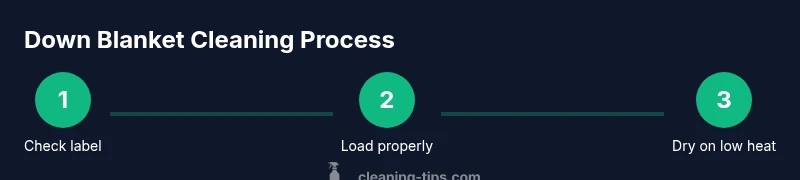
Learn how to clean a down blanket safely at home: check the care label, choose a gentle wash cycle with a down-safe detergent, and dry on low heat with dryer balls to keep loft from clumping. Include extra rinses, skip fabric softeners, and store properly.
Why Down Blanket Cleaning Matters
A down blanket provides warmth and fluffy loft, but proper cleaning is essential to maintain those properties. Learning how to clean a down blanket is not just about removing visible dirt; it’s about protecting the delicate down fill from clumping, which can ruin insulation and compress the loft. Gentle cleaning helps preserve the shell’s fabric, keep goose or duck down evenly distributed, and prevent odors that can develop from body oils and sweat. If you neglect regular care, the loft can diminish, insulation can fail to trap heat, and you may notice cold spots after a night under the covers. In this guide, we’ll explore the best practices for washing, rinsing, and drying so your blanket stays warm and lofty for years. You’ll also learn how to identify signs that it needs cleaning and when to seek professional cleaning for delicate or antique pieces. Throughout, you’ll see how small choices—like detergent type and drying method—make a big difference in performance and longevity.
According to Cleaning Tips, maintaining a down blanket’s loft requires gentle handling and proper drying to prevent the down from shifting. The goal is to minimize agitation, use the right products, and ensure complete rinsing for optimum warmth without odor or stiffness.
Before You Start: Care Labels and Prep
Before you even load a down blanket into the washer, read the care label carefully. Manufacturers often specify water temperature, cycle type, and whether the blanket can be machine washed or should be professionally cleaned. If you’re unsure about materials (goose down vs. duck down) or the shell fabric (cotton, polyester, or cotton/poly blends), the label is your first reference. Remove any detachable cover or accessories and close zippers or buttons to prevent snagging during washing. Check for stains and treat them promptly with a mild, down-safe stain remover. Always test any cleaner on a hidden area first to avoid discoloration. For best results, plan to wash when you have a large enough load and a capable washer that can handle bulk without overstuffing. Finally, ensure the blanket is completely dry before storage to prevent mold and mildew.
Cleaning Tips team notes that preparation matters just as much as the washing itself; the right pre-treatments and careful loading set the stage for a loft-preserving wash.
Cleaning Methods: Washing Machine vs Hand Wash
Washing a down blanket can be done in a front-loading machine or by hand when necessary. Front-loading machines are generally preferred because they tumble without an agitator, reducing stress on the shell and preventing down from shifting. Use a mild, down-safe detergent and set the machine to a gentle or delicate cycle with cold water. Avoid regular detergents that can strip oils from the down and reduce loft. If you must hand wash, use a large tub with cool water and a gentle swirl rather than vigorous agitation. Rinse thoroughly; a second rinse is often helpful to remove all soap residues. Do not use bleach or fabric softeners, which can degrade the fill and fabric. When loading a machine, distribute the blanket evenly to prevent uneven wear. If you’re washing a very bulky blanket, consider washing it in two parts or using a commercial washer with a large capacity. The goal is to clean without compressing the down. Remember to account for the extra time needed for thorough rinsing and careful loading.
Drying Down: How to Dry Without Clumping
Drying is the most critical step to preserve loft. Down tends to clump if heated too quickly or if moisture remains trapped. Start by removing as much water as possible with a gentle spin. Use a low-heat or air-dry setting on your dryer and add clean tennis balls or dryer balls to break up any clumps as the blanket dries. Check progress every 20–30 minutes to reseparate fill and prevent overheating. It can take several cycles to dry thoroughly, so patience is essential. If your dryer lacks low-heat options, consider air-drying the blanket on a wide rack in a well-ventilated room and fluffing it occasionally to re-distribute the down. Ensure there is adequate airflow around the blanket for even drying and prevent damp spots that can foster odor or mildew. A final air-out can help restore softness after the dryer has run.
Stain Removal and Spot Cleaning
Stains on a down blanket should be treated promptly with a gentle approach. Use a small amount of down-safe detergent or a mild stain remover, apply softly to the soiled area, and blot rather than rub. Rinse the treated area thoroughly to remove all cleaning agents, using extra rinse cycles if needed. Avoid aggressive scrubbing, which can shear the shell fabric or drive stain deeper into the fill. For oily stains, a small amount of dish soap diluted in water can help break down oils; rinse well afterward. After cleaning, check the stained area to ensure no residue remains, which can affect loft or odor. For persistent odors, a touch of white vinegar in the rinse can be helpful—use sparingly and ensure a thorough rinse to prevent any vinegar smell from lingering.
Maintenance Tips for Longevity
To extend the life of a down blanket, store it properly when not in use and fluff it regularly to maintain loft. Keep the blanket in a breathable cotton or linen bag, not in plastic, to allow air circulation and prevent moisture buildup. Periodically air out the blanket outdoors on a dry, sunny day to refresh the fill and muzzle any lingering odors. If you notice smell or dampness, address it quickly with a light wash and thorough drying. Avoid high heat and direct sunlight for long periods, which can degrade shell fabric over time. Rotate usage so the wear and dirt are evenly distributed, and consider a yearly professional cleaning for expensive or delicate down blankets.
Troubleshooting Common Issues
If the loft seems diminished after washing, run an extra rinse cycle to remove detergent residues that can stiffen fabric. If you discover persistent odor, rewash with a double rinse and consider a small amount of white vinegar in the rinse to neutralize odors. For clumping, run a low-heat tumble with dryer balls and periodically check to break apart any dense areas that may have formed. If the blanket feels unusually heavy after washing, it could be overly saturated or damaged; avoid overloading the washer next time and ensure complete spin-drying. If a shell tear occurs or the corner seams show wear, consider professional repair rather than DIY washing to prevent further damage.
Frequency & Scheduling Cleaning
How often you clean a down blanket depends on usage, allergies, and personal preference. A light airing every few weeks can help maintain freshness, with a full wash every 3–6 months for regular use and more often in high-traffic households or with pets. If you suffer from allergies or have sensitive skin, you may benefit from more frequent cleaning. Between washes, spot clean as needed and air out after use to reduce body oils building up. Always follow the care label for any recommended frequency and avoid over-washing, which can strip natural oils from the down and shorten its life.
Tools & Materials
- Front-loading washing machine (large capacity)(Ideal for bulky blankets; avoid top-loading machines with agitators.)
- Mild, down-safe detergent(Fragrance-free is best to avoid skin irritation and residue.)
- Tennis balls or dryer balls(Prevents down from lumping during drying.)
- Low-heat dryer or drying rack(Low heat dryer helps maintain loft; rack drying is an alternative.)
- Optional: white vinegar(A small amount can help deodorize during rinse.)
- Stain remover (mild, down-safe)(Test on hidden area first; sparingly for tough stains.)
- Large tub or basin (for hand wash)(Only if hand washing; ensure it's clean and wide enough.)
Steps
Estimated time: 2-4 hours
- 1
Check care label and prep
Read the care label to confirm machine washing is allowed and note recommended water temperature. Close zippers, detach covers, and pre-treat any stains with a mild cleaner. This step prevents damage and ensures cleaning effectiveness.
Tip: Test stain remover on a hidden spot first to avoid color bleed. - 2
Pre-treat stains
Apply a small amount of down-safe stain remover or mild detergent to stained areas. Gently blot with a clean cloth; avoid rubbing, which can push stain deeper or abrade the fabric.
Tip: Let the cleaner sit for 5-10 minutes before washing, but don’t let it dry completely. - 3
Load the washer properly
Place the blanket in the washer with ample space to move. Use a front-loading machine on a delicate cycle with cold water and a small amount of down-safe detergent. Run an extra rinse to ensure all soap residues are removed.
Tip: Do not overload the drum; a balanced, loosely packed load yields better agitation and rinsing. - 4
Run the wash and rinse
Choose a gentle cycle, cold water, and a standard rinse cycle. If your detergent smells, run another rinse. Soap residue can stiffen fabric and reduce loft over time.
Tip: If available, enable an extra rinse option for thorough cleaning. - 5
Spin and moisture removal
Use a thorough spin cycle to remove as much water as possible. This reduces drying time and helps prevent stubborn dampness that can lead to mildew.
Tip: Stop the machine early if the blanket is very heavy; you can finish with a hand wring over a towel to remove excess moisture. - 6
Dry with low heat and balls
Tumble on low heat with at least two dryer balls or clean tennis balls. Check every 30 minutes and break up any clumps to maintain even loft. It may take multiple cycles to fully dry.
Tip: If the blanket remains damp after one cycle, extend drying time and check for heat circulation around all areas. - 7
Fluff and finish
Once dry, remove the blanket promptly and give it a good shake to restore even fill distribution. Run a final air-out if you have time to refresh the loft and reduce any residual odor.
Tip: Store in a breathable bag to maintain loft and prevent moisture buildup. - 8
Final check and storage
Inspect the blanket for damp spots or uneven fill. If satisfied, fold and store in a dry, breathable environment. A well-maintained blanket will stay fluffy and warm for years.
Tip: Avoid storing in plastic which can trap moisture and cause mildew.
Questions & Answers
Can I machine wash a down blanket?
Yes, many down blankets can be machine washed on a gentle cycle with cold water and a down-safe detergent. Always check the care label first. Use an extra rinse to ensure all soap is removed and avoid high heat during drying.
Yes, you can machine wash a down blanket on a gentle cycle with cold water and a down-safe detergent. Check the care label, then rinse thoroughly and dry on low heat.
What detergent should I use for down blankets?
Choose a mild, down-safe detergent that is fragrance-free or low-odor. Regular household detergents can strip natural oils from the down and reduce loft over time. Avoid fabric softeners which can coat fibers and reduce fluff.
Use a mild, down-safe detergent and avoid fabric softeners to protect the loft.
Can I dry a down blanket on high heat?
No. Drying on high heat can damage the down and the shell fabric. Always use low heat or air-dry and include dryer balls to help maintain even loft.
Dry on low heat or air-dry to protect the down material.
How do I remove stubborn stains from a down blanket?
Treat with a small amount of down-safe stain remover or mild detergent, blot rather than rub, and rinse thoroughly. For oily stains, a diluted dish soap can help; ensure complete rinsing to avoid residue.
Treat stains with a mild remover, blot gently, and rinse well.
How often should I clean a down blanket?
Frequency depends on use, allergies, and whether you share the bed with pets. A routine wash every 3–6 months is common for regular use, with spot cleaning and airing between full washes.
Most people wash every 3 to 6 months, plus spot clean as needed.
Can I wash the blanket cover separately?
If your blanket has a removable cover, wash the cover according to its label, then wash the blanket as directed for best results. This reduces overall wear on the down fill.
Yes, wash the cover separately and follow care labels for the blanket.
Watch Video
The Essentials
- Check care labels before washing.
- Choose a gentle, cold-wash cycle with down-safe detergent.
- Dry on low heat with dryer balls to preserve loft.
- Rinse thoroughly to remove detergent residues.