How to Clean Big Squishmallows: A Step-by-Step Guide
Learn safe, effective methods to clean large Squishmallows plush toys—from prep to drying. This guide covers hand-wash and gentle machine options, stain removal, deodorizing, and ongoing care to keep oversized plush looking fresh.


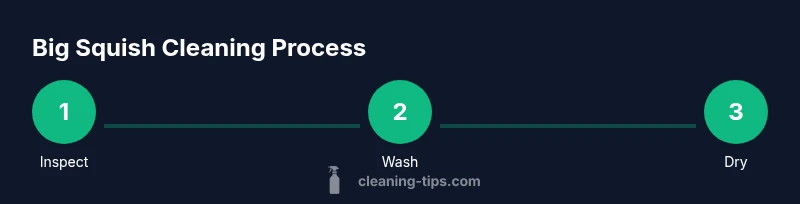
To clean a big Squishmallows plush safely, choose gentle methods that protect stuffing and fabric. Start with prep: remove accessories and test a hidden area for colorfastness. Use a mild detergent and cold water, then either hand-wash or place in a pillowcase for a gentle machine cycle. Air-dry flat away from heat to preserve shape.
Why Cleaning Big Squishmallows Requires Care
Big Squishmallows bring huggable comfort, but their plush construction also demands careful cleaning to maintain softness and shape. If you’re wondering how to clean big squishmallows, the key is to protect stuffing, seams, and color. Large plush toys accumulate dust, oils from hands, and spills, and aggressive washing can cause clumping or matting. Cleaning Tips recommends a gentle approach that balances effective hygiene with fabric care. Start with a quick assessment: review any care tags, test a small, inconspicuous area for colorfastness, and decide whether you’ll hand-wash or use a gentle machine cycle. By sticking to cold water and mild detergents, you reduce the risk of color bleed and fiber damage. Throughout this guide, you’ll find practical steps, real-world tips, and safety notes designed to help homeowners and renters extend the life of their oversized plush. This approach aligns with Cleaning Tips recommendations to keep your cleaning routines effective yet gentle.
Assess the Stain and Fabric Type
Before you begin, identify the stain type and fabric care specifics. Check the care tag for any machine-wash permissions and note colorfastness. If the tag says spot-clean only, you’ll avoid full immersion. For colorfast tests, damp a small white cloth with mild soapy water and press gently on an inconspicuous seam. If the color transfers, stop and opt for surface cleaning only. Understanding stain type—oil, sugar, dye transfer, or sweat—helps you choose the right remover and avoid setting stains. Cleaning Tips emphasizes gentle methods to preserve plush fibers and embroidery while minimizing the risk of pilling, shrinkage, or seam stress. Remember, if you’re unsure, start with surface cleaning and proceed slowly.
Preparing for Cleaning
Prepare your workspace with a clean surface and all supplies within reach. Remove any accessories or detachable pieces that could be damaged during washing. Gently brush away loose dust with a soft brush or microfiber cloth. If your plush is extra large, consider laying down a towel or mat in case of drips. For safety and efficiency, use a basin or sink large enough to submerge the plush without bending it. A quick pre-rinse can help loosen surface grime, but avoid soaking for too long, which can stress seams. Cleaning Tips suggests testing water temperature and detergent concentration on a hidden area first.
Hand-Washing Method
Fill a basin with cold water and add a small amount of mild detergent. Submerge the plush and gently massage the fabric, focusing on soiled areas without aggressive scrubbing. Rinse thoroughly with cold water, repeating until no soap residue remains. Gently press out excess water—do not wring, which can distort stuffing. Lay the plush flat on a clean towel and roll to absorb more moisture. Hand-washing provides maximum control and is often the safest method for large plush that might not tolerate agitation.
Machine-Washing Method (Gentle)
If the care tag permits machine washing, place the plush inside a large pillowcase or laundry bag to protect seams. Use the cold water setting and a delicate/delicate cycle with a small amount of mild detergent. Run a short cycle to minimize agitation, then remove promptly to prevent creasing. After washing, press out excess water gently and proceed to drying steps. Machine washing can be convenient for very large toys, but you must monitor for any signs of stress and stop if fabrics seem loose. Cleaning Tips notes that this method should be used sparingly and only when explicitly allowed by the tag.
Spot Cleaning for Stains
For stubborn spots, mix a tiny amount of mild detergent with water or use a paste of baking soda and water. Apply the solution to the stain with a soft cloth or sponge, then blot and rinse with a clean, damp cloth. Avoid saturating the area; blot until the moisture is lifted. For greasy stains, a small amount of dish soap can help break down oils, followed by a gentle rinse. Always test a hidden area first and work outward from the center of the stain to prevent spreading.
Cleaning Accessories and Tools
Keep a set of kid-safe tools handy: a soft-bristled brush for surface cleaning, microfiber towels for blotting, a basin or tub for washing, and a pillowcase or laundry bag for machine washing. A heat-free drying rack or flat surface helps maintain shape. Optional tools include a spray bottle for even application and a stain-removal brush for crevices. Using the right tools minimizes fiber damage and keeps the plush fluffy.
Drying Techniques and Shaping
Air drying is the safest approach for most big Squishmallows. Place the plush on a clean towel on a flat surface and reshape while it’s still slightly damp. Avoid direct sunlight and any heat source, which can cause fading or fiber damage. For faster drying, use a fan or a cool-to-lukewarm hair dryer on a cool setting, keeping it at least a few inches away from the fabric. Periodically flip or reposition the plush to promote even drying and prevent flat spots. Once dry, gently fluff the stuffing to restore loft.
Deodorizing and Freshening After Clean
If the plush has an off smell after washing, sprinkle a light amount of baking soda on the surface and let it sit for 15-20 minutes before brushing off. A quick air-out in a well-ventilated room can also help. Avoid strong perfumes directly on the plush, as residual scents can irritate sensitive noses. Regular airing between cleanings keeps big Squishmallows smelling fresh without harsh chemicals.
Safety Warnings and What Not to Do
Never use high heat, boiling water, or bleach on plush toys. Don’t machine wash unless the care tag explicitly allows it, and always use a laundry bag or pillowcase to minimize tangling. Avoid harsh chemicals and fabric softeners, as they can irritate skin and degrade fibers. If your plush has glued-on features, beads, or delicate embroidery, opt for surface cleaning only. Keep kids’ and pets’ nails away from the toy during handling to prevent snagging, and monitor for signs of color bleed or fiber damage during cleaning.
Common Mistakes and How to Avoid Them
Common mistakes include using hot water, over-soaking, and skipping the colorfast test. Always start with cold water and mild detergent, test a small area, and avoid scrubbing aggressively. Do not twist or wring the plush; this can deform stuffing and seams. When in doubt, air-dry and repeat with gentler methods. Lastly, avoid frequent machine washing; repeated cycles can decrease loft and softness over time. Cleaning Tips emphasizes moderation and patience for best results.
AUTHORITY SOURCES
- Centers for Disease Control and Prevention (CDC): https://www.cdc.gov
- Environmental Protection Agency (EPA): https://www.epa.gov
- National Institute of Environmental Health Sciences (NIEHS): https://www.niehs.nih.gov
Tools & Materials
- Mild liquid detergent (fragrance-free)(Choose a gentle formula suitable for delicate fabrics)
- Clean basin or tub(Big enough to submerge the plush without folding)
- White towels or absorbent cloth(For padding, drying, and blotting excess water)
- Soft-bristled brush(For surface cleaning and dust removal)
- Old pillowcase or laundry bag(Protect plush during machine wash if allowed by care tag)
- Brush or sponge for crevices(Gently clean seams and stuffed areas)
Steps
Estimated time: 60-90 minutes
- 1
Inspect care tag
Check the label for washing instructions, and note any special warnings. A quick tag check helps you decide whether hand-wash or machine wash is appropriate and reduces the risk of damage.
Tip: If the tag says “spot clean only,” do not submerge the plush. - 2
Remove accessories
Take off any clothing or attachments that could be damaged or cause tangling during washing. Set them aside in a safe place to avoid loss or damage.
Tip: Place accessories in a labeled bag so nothing gets misplaced. - 3
Pre-clean the surface
Gently brush off dust and surface debris with a soft brush to reduce residue before washing. This minimizes grit that could abrade fibers during cleaning.
Tip: Use a microfiber cloth to capture fine particles from seams. - 4
Prepare cleaning bath
Fill a basin with cold water and add a small amount of mild detergent. Submerge the plush and let it soak briefly to loosen dirt without soaking for too long.
Tip: Keep the water cold to protect color and fabric integrity. - 5
Gently wash by hand
Lightly massage the fabric, focusing on stained areas rather than aggressive scrubbing. Rinse the entire surface thoroughly with clean cold water.
Tip: Work from the center outward to prevent spreading stains. - 6
Rinse thoroughly
Continue rinsing until no soap residue remains. Excess detergent can leave stiff fibers and irritate skin on contact.
Tip: Pour out dirty water and refill with clean water if needed. - 7
Option: machine wash on gentle
If the care tag permits, place the plush in a pillowcase or laundry bag and wash on a cold, delicate cycle. Remove promptly after the spin cycle to reduce wrinkling.
Tip: Monitor for unusual agitation; stop if seams appear stressed. - 8
Spot-clean stubborn stains
Apply a mild detergent solution or baking soda paste to stubborn spots, then blot with a clean cloth and rinse. Dry the area gently.
Tip: Test first on hidden area to ensure no color transfer. - 9
Gently remove excess water
Press the plush between towels to lift moisture without twisting. This helps maintain loft and reduces drying time.
Tip: Avoid wringing, which can distort stuffing. - 10
Air-dry flat
Lay the plush on a clean, dry towel in a well-ventilated area. Keep it flat and away from direct heat or sunlight to prevent warping or fading.
Tip: Flip occasionally to ensure even drying. - 11
Reshape while damp
Gently fluff and reshape the plush as it dries. Proper shaping helps restore original contour and prevents flat spots.
Tip: Focus on ears, limbs, and stuffing distribution. - 12
Final check and deodorize
Once fully dry, give the plush a quick inspection and remove any baking soda residue if used. A light deodorizer or airing can keep it smelling fresh.
Tip: If odors persist, repeat the surface clean without full submersion.
Questions & Answers
Can I machine wash a big Squishmallow?
Only if the care tag allows machine washing. Use a pillowcase or laundry bag and a gentle cycle with cold water. Remove promptly after washing to prevent creasing.
Yes, if the tag allows it. Use a pillowcase and gentle cycle with cold water, then remove promptly.
Is it safe to bleach or use fabric softener?
No. Bleach and fabric softeners can damage plush fibers and affect color. Stick to mild detergent and avoid harsh chemicals.
No—bleach or fabric softeners can harm the plush fibers.
How long does drying take for a big Squishmallow?
Air-drying large plush can take 24-48 hours depending on humidity and airflow. Use a flat drying surface and avoid heat sources.
Drying can take a day or two, so plan accordingly.
What if colors run after washing?
If color bleeds, stop further washing and refer to care tag. Avoid heat and dry in a cool, ventilated area.
If color bleeds, stop cleaning and dry in a cool place.
Can I spot clean with baking soda?
Yes, a baking-soda paste can help with spots. Rinse well after cleaning to prevent residue.
You can use a baking soda paste on spots and rinse afterward.
How can I prevent misshaping after cleaning?
Shape the plush while damp and lay flat to dry. Avoid heat; let it air-dry slowly for best loft.
Shape while damp and air dry to prevent misshaping.
Watch Video
The Essentials
- Test colorfastness before full cleaning
- Choose hand-wash for most big plush unless tag permits machine wash
- Air-dry flat to preserve shape and loft
- Follow up with deodorizing if needed