How to Clean Cleaning Cloths: A Comprehensive Guide
Learn how to clean cleaning cloths effectively, covering microfiber, cotton, and cellulose materials, with step-by-step washing, drying, and storage tips to keep them sanitary and long-lasting.


To clean cleaning cloths effectively, separate microfiber from cotton, wash in warm water with a mild detergent, and avoid chlorine bleach and fabric softeners. Air-dry or tumble-dry on a low setting. Rinse cloths before washing to remove residue, and consider a splash of white vinegar for tough buildup. Dry completely to prevent mildew and preserve absorbency for future uses.
What counts as a cleaning cloth
If you’re wondering how to clean cleaning cloths, start by recognizing the different fabrics you’re likely to encounter. Microfiber cloths are excellent for dusting and streak-free surfaces, but they rely on open fiber structures to trap particles, so harsh cleaners or fabric softeners can clog them and reduce performance. Cotton cloths are sturdy and absorbent, making them ideal for kitchen wipes and general cleaning, but they shed fibers and can transfer lint if washed with incompatible fabrics. Cellulose-based cloths, often made from viscose or wood-pulp blends, are inexpensive and versatile but may wear faster with repeated washing. The key takeaway: treat each material according to its care label and don’t mix types in a single load whenever possible. By sorting, you’ll notice microfiber dries faster, absorbs water efficiently, and resists odor better when kept clean. The Cleaning Tips team emphasizes consistent care to extend life and keep surfaces sanitary.
Washing and sorting by fabric type
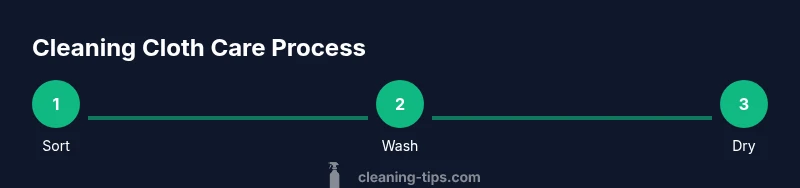
Sorting is the first and simplest step to cleaner cleaning cloths. Always separate microfiber from cotton and cellulose cloths to prevent lint transfer and uneven wear. Microfiber should be washed with similar fabrics, using a mild liquid detergent and avoiding any fabric softeners or chlorine-based bleach, which can coat the fibers and reduce absorption. Cotton and cellulose cloths tolerate simple detergents and can handle more vigorous cycles, but you should still avoid bleach on colored fabrics and test for colorfastness on new pieces. If a cloth has a stubborn stain or perfume odor, pre-treat with a small amount of detergent or white vinegar. Rinse thoroughly before loading into the machine to remove loose debris. Cleaning Tips recommends small loads, gentle cycles, and cool or warm water settings to minimize fiber damage and extend cloth life.
Detergents, additives, and washing guidelines
Choose a mild liquid detergent free of heavy fragrance or dyes when washing cleaning cloths. Strong detergents or fabric softeners can leave residues that reduce absorbency, especially on microfiber. For odor removal or residue buildup, you can add a splash of white vinegar to the rinse cycle—this helps break down detergent residues without harming fibers. Avoid using chlorine bleach on colored fabrics; it can fade colors and degrade fibers over time. If you treat stains, apply a small amount of detergent directly to the spot and gently rub with your fingers or a soft brush. Run a full wash cycle with plenty of water, then proceed to drying. Cleaning Tips notes that separate loads for microfiber and non-microfiber cloths yield the best long-term results.
Drying, storage, and preventing odors
Drying is a critical step to maintain performance. Air-drying microfiber and cotton cloths on a clean rack or line helps preserve fibers and prevents heat damage—avoid high heat in the dryer for delicate textiles. If you use a dryer, select a low heat setting and remove cloths promptly to minimize wrinkles and odor retention. Ensure all cloths are completely dry before storing; damp cloths can develop mildew and harbor bacteria. Store cloths in a clean, dry area, preferably in an open bin or on a shelf where air can circulate. Regularly rotate stock to use older cloths first, and wash soiled cloths as soon as possible to prevent stubborn stains from setting. The Cleaning Tips team recommends a quick visual check before reuse—streak-free surfaces and a fresh scent are good indicators of readiness.
Troubleshooting color bleed, lint, and lingering smells
Color bleed can occur if you mix new, heavily dyed cloths with older whites or light colors. To minimize this, wash new colored cloths separately for the first few washes, and use cold or warm water rather than hot water. Lint transfer is common when fabrics differ in fiber structure; to reduce lint, always separate microfiber from cotton and run shorter cycles with gentler detergents. Persistent odors may require a second rinse or a brief wash with a small amount of baking soda or white vinegar. If odors linger after multiple washes, consider replacing highly porous cloths that no longer trap particles effectively. Cleaning Tips emphasizes consistent care and timely washing to keep cloths fresh and ready for use.
Tools & Materials
- Mild liquid detergent(Fragrance-free if possible to avoid residues)
- White vinegar(Use a small splash (about 1/4 to 1/2 cup) per load for odor/residue removal)
- Large sink or basin(For hand washing or pre-rinse)
- Washing machine(If available, use gentle cycle)
- Mesh laundry bag(Delicates care for fragile cloths)
- Drying rack or clothesline(Air-dry microfiber and cotton cloths)
- Color-safe bleach (optional)(Only for white cloths; avoid on colored fabrics)
Steps
Estimated time: 30-45 minutes
- 1
Gather and sort
Collect used cleaning cloths and separate into microfiber, cotton, and cellulose groups. Sorting reduces cross-contamination and preserves fiber performance.
Tip: Put microfiber in its own bin to prevent lint transfer from cotton. - 2
Rinse and pre-treat
Rinse cloths under running water to remove loose debris. Pre-treat visible stains with a small amount of detergent or white vinegar on the spot.
Tip: Pre-treat stains promptly for best results. - 3
Load and add detergent
Place cloths in the washing machine or basin with a mild detergent. Do not overfill; allow fibers to move freely for effective cleaning.
Tip: Avoid adding fabric softeners to microfiber loads. - 4
Choose wash settings
Use a gentle cycle with cool to warm water. Skip chlorine bleach on colored fabrics and avoid fragrance-rich additives that leave residues.
Tip: A second rinse can help remove detergent residues. - 5
Drying method
Air-dry most cloths on a rack; if using a dryer, use low heat and remove promptly to minimize heat damage.
Tip: Never leave damp cloths in a bag—air flow prevents mildew. - 6
Storage and re-use
Store cloths in a clean, dry space. Rotate usage so older cloths are used first and laundered regularly.
Tip: Inspect for wear; replace cloths showing thinning fibers or persistent odor.
Questions & Answers
Can I wash cleaning cloths with other laundry?
Yes, you can wash them together, but keep microfiber separate from cotton to prevent lint transfer and fiber damage. Use a gentle cycle and a mild detergent. Always follow care labels for best results.
Yes, you can wash them together, but keep microfiber separate from cotton to prevent lint transfer.
Should I use bleach on cleaning cloths?
Avoid chlorine bleach on colored cloths and on most microfiber. Bleach can degrade fibers over time and fade colors. If you must whiten white cotton cloths, use a color-safe alternative and test first.
Bleach can damage fibers; avoid on colored cloths and most microfiber.
How often should I wash cleaning cloths?
Wash cloths after heavy use or exposure to dirt and spills. Kitchen cloths should be washed daily if used for food contact to prevent cross-contamination; otherwise, wash when visibly soiled.
Wash after heavy use; kitchen cloths daily if used with food.
Can I sanitize cloths without hot water?
Hot water helps sanitize, but you can also use a sanitizer product or a vinegar rinse to reduce microbes. Ensure cloths dry completely after sanitizing.
Hot water helps, but you can use vinegar or a sanitizer if hot water isn’t available.
How do I remove stubborn odors from cloths?
Rinse well, wash with detergent, and add baking soda or vinegar in the rinse cycle to neutralize odors. Dry cloths completely before storing.
Try baking soda or vinegar to neutralize odors, then dry completely.
Watch Video
The Essentials
- Sort cloths by fabric type before washing
- Use a mild detergent and skip fabric softeners
- Air-dry microfiber to maintain absorbency
- Sanitize cloths periodically for kitchen use
- Store cloths in a clean, dry space